
Pistachio cheesecake is a rich, creamy dessert made with real pistachio butter or paste blended into a smooth cheesecake base. This high-protein pistachio cheesecake is ideal for those seeking a healthy pistachio dessert recipe that doesn’t compromise on flavor or texture. Using homemade pistachio butter and full-fat cream cheese ensures authentic nutty flavor and a luscious mouthfeel. Whether you’re looking for a healthy recipe, something indulgent, or a weight-loss-friendly dessert option, this pistachio cheesecake recipe offers a versatile approach that suits all.
To make pistachio cheesecake at home, start by toasting pistachios and blending them into butter. Mix with full-fat cream cheese, sour cream, and lemon zest for a vibrant, creamy cheesecake. Bake it in a water bath to prevent cracks, then chill thoroughly before serving on a graham cracker crust or digestive biscuit base. The result is a creamy, nutty cheesecake with real pistachio flavor and a texture that melts in your mouth.
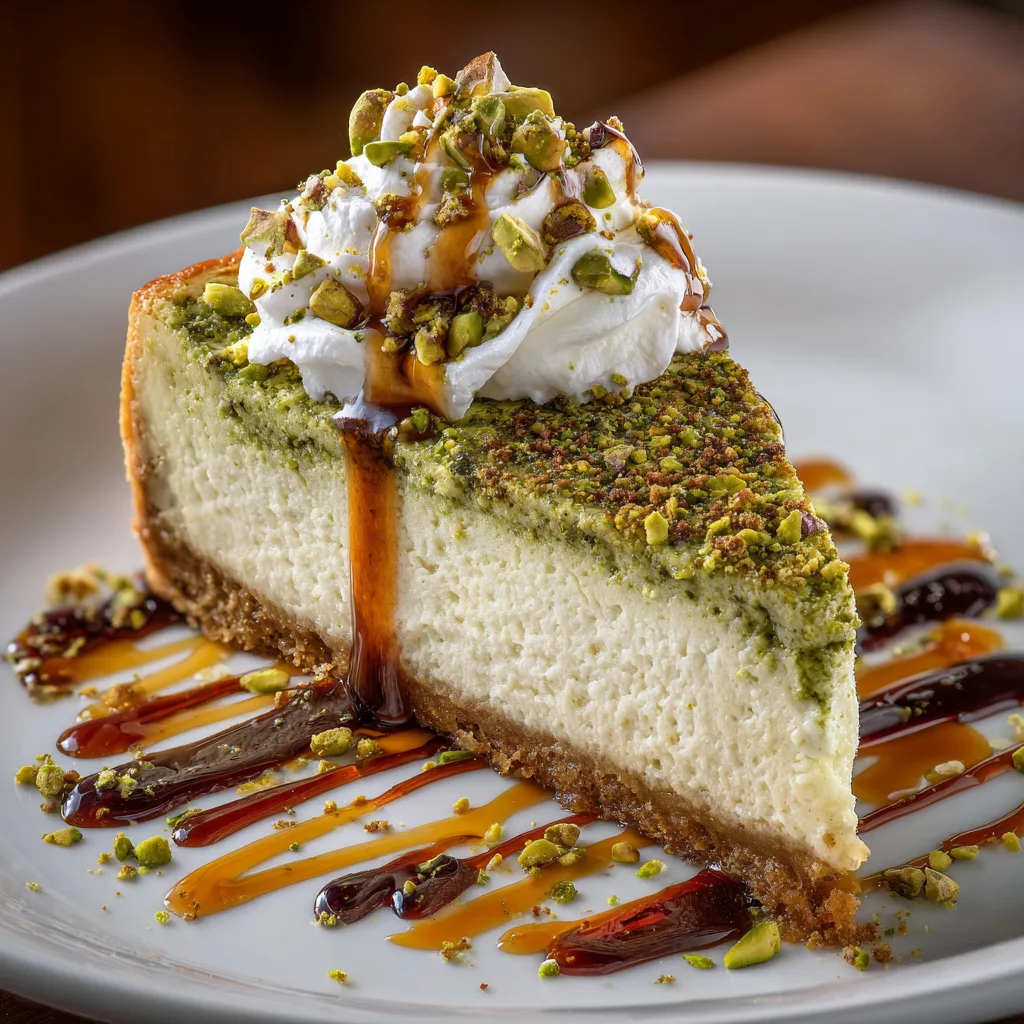
In This Recipe
In This Recipe
How to Make Pistachio Cheesecake at Home
Creating the perfect pistachio cheesecake starts with choosing quality ingredients and understanding how each step affects the final texture and flavor. Let’s break it down so you can achieve that creamy cheesecake consistency with unmistakable real pistachio flavor.
PrintUltimate Pistachio Cheesecake Recipe
- Prep Time: 30 minutes
- Cook Time: Cook Time: 1 hour Chill Time: 6 hours
- Total Time: 7 hours 30 minutes
- Yield: 10–12 1x
- Category: Dessert
- Cuisine: American
Ingredients
For the Crust:
- 1½ cups graham cracker or digestive biscuit crumbs
- 5 tbsp unsalted butter, melted
- Pinch of salt
For the Cheesecake Filling:
- 24 oz (3 blocks) full-fat cream cheese, softened
- 1 cup sour cream
- 1 cup homemade pistachio butter or pistachio paste
- ¾ cup sugar
- 3 large eggs
- 1 tsp vanilla extract
- 1 tsp lemon zest (optional)
- ¼ tsp salt
Instructions
- Prepare the Crust:
Preheat oven to 325°F (163°C). Mix crumbs, melted butter, and salt. Press into the bottom of a 9″ springform pan. Bake for 8 minutes. Let cool. - Make the Filling:
Beat cream cheese until smooth. Add sour cream, pistachio butter/paste, sugar, lemon zest, vanilla, and salt. Blend until well combined. Add eggs one at a time, mixing just until incorporated. - Bake in a Water Bath:
Wrap the pan in foil. Pour batter over crust. Place in a large roasting pan and pour hot water halfway up the sides. Bake for 60–70 minutes until center slightly jiggles. - Cool Gradually:
Turn off the oven, crack the door, and let cheesecake cool for 1 hour. Remove from water bath, cool completely, then chill at least 6 hours or overnight. - Serve:
Top with whipped cream, toasted pistachios, pistachio praline, or lemon zest. Slice with a hot knife and enjoy.
Notes
- For a protein boost, replace 1 block of cream cheese with Greek yogurt or cottage cheese.
- To freeze: Wrap tightly and store for up to one month. Thaw overnight in fridge.
- Optional topping: Drizzle with honey or sprinkle with crushed praline for crunch.
Gather Your Pistachio Ingredients
The backbone of a pistachio cheesecake is its nutty foundation typically either pistachio butter or pistachio paste. While both bring intense flavor, homemade pistachio butter tends to offer a fresher, more pronounced taste. To make homemade pistachio butter, roast shelled pistachios at 350°F (175°C) for 8–10 minutes until fragrant. Then blend in a food processor for 10–20 minutes, scraping the sides as needed, until you get a thick, glossy spread.
Alternatively, pistachio paste (which may contain sugar or oils) works well if you’re short on time, though you may want to adjust your cheesecake’s sugar content to compensate. And for a lighter option, try pairing it with a refreshing mango coconut water smoothie.
Build the Pistachio Cheesecake Filling
Use full-fat cream cheese and sour cream to create a rich, creamy cheesecake base. Start by beating the cream cheese thoroughly this eliminates lumps and guarantees a smooth texture. Add sour cream for tanginess and body, then mix in your homemade pistachio butter or paste. For a subtle lift, incorporate a touch of lemon zest to brighten the nutty richness.
Be careful not to overbeat once you add the eggs, as this can introduce too much air and cause the cheesecake to puff and crack during baking.
If you’re looking for another creamy, high-protein option, you might enjoy our easy healthy cottage cheese ice cream.
Craft the Perfect Crust
You have a few tasty crust options depending on your taste and pantry:
- A graham cracker crust offers a classic, slightly sweet base.
- A digestive biscuit crust brings a toasty, buttery richness.
- For a more creative approach, opt for a cookie crust made with pistachio or vanilla sandwich cookies for added crunch and flavor.
To make the crust, crush your chosen base into fine crumbs, then mix with melted butter until it feels like damp sand. Press this mixture into the bottom (and slightly up the sides) of your springform pan to create a firm, even base. And If you’re experimenting with crusts, you might also like our gluten-free pizza crust recipe, which uses alternative flours for a unique twist.
Baking Tips for a Perfect, Crack-Free Cheesecake
One of the biggest challenges when making pistachio cheesecake is preventing surface cracks and achieving that flawless, creamy texture. With a few key techniques, you can master a smooth and stable bake every time.
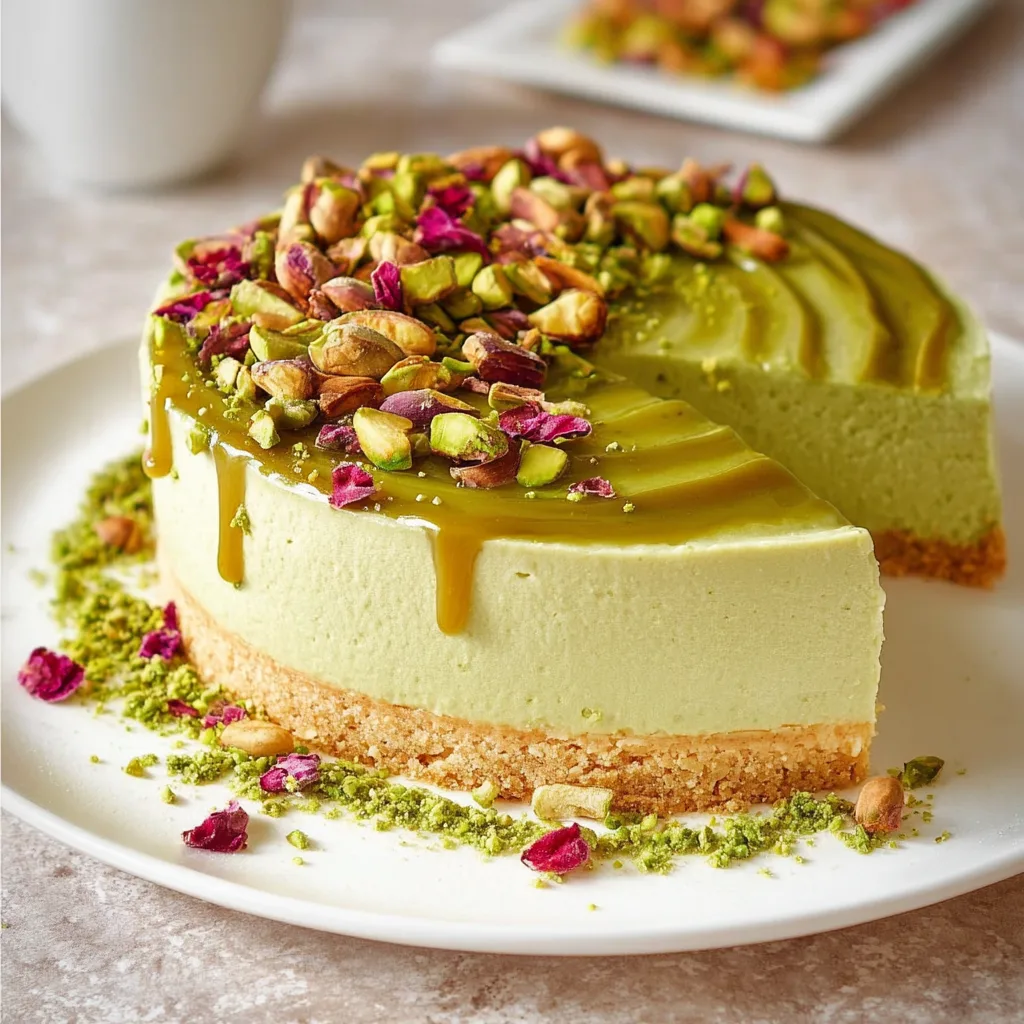
Use a Cheesecake Water Bath for Gentle, Even Baking
A cheesecake water bath is essential for regulating heat and creating a steamy environment. It helps bake your pistachio cheesecake slowly and evenly, minimizing the risk of cracking. Here’s how to do it:
- Wrap the base and sides of your springform pan tightly in foil to prevent leaks.
- Place your filled pan into a larger roasting dish.
- Pour hot water into the dish until it reaches halfway up the sides of the cheesecake pan.
This gentle method keeps the edges from baking too fast while the center sets slowly vital for a truly creamy cheesecake.
Control Temperature and Don’t Overmix
Set your oven to 325°F (163°C) for a slow, even bake. Avoid opening the oven door often, as sudden temperature changes can shock the cheesecake and cause it to sink or crack.
Mix your batter just until combined once eggs are added. Overmixing incorporates air, which expands in the oven and leads to cracking during cooling. These simple cheesecake baking tips make all the difference.
Cool Gradually to Prevent Cheesecake Cracks
After baking, turn off the oven and crack the door open slightly. Let your pistachio cheesecake sit inside for about an hour. This gradual temperature drop helps maintain structure and minimizes shrinking or cracking.
Once cooled, refrigerate it uncovered for at least 4–6 hours or overnight. This resting period allows the filling to firm up and develop that rich, silky texture pistachio cheesecake is known for.
Variations – High-Protein, Healthy, and Flavor Twists
One of the great things about pistachio cheesecake is how adaptable it is. Whether you’re looking for a healthier treat, a protein-packed dessert, or creative toppings to wow your guests, you’ve got plenty of options.
High-Protein Pistachio Cheesecake
If you’re aiming to boost your daily intake without sacrificing flavor, a high-protein pistachio cheesecake is a smart twist. Swap out part of the cream cheese with Greek yogurt or low-fat cottage cheese. These alternatives increase protein and reduce fat, making the dessert more suitable for those focused on weight loss or macro-friendly meals. (American Pistachio Growers explains why pistachios are considered a superfood, packed with plant protein, healthy fats, and antioxidants that elevate desserts like pistachio cheesecake.)
You’ll still enjoy the same creamy cheesecake feel, especially if you blend your filling thoroughly to smooth out the yogurt or cottage cheese texture.
Healthy Pistachio Cheesecake Options
To create a more healthy pistachio cheesecake, consider reducing the sugar and replacing the traditional crust with one made from crushed nuts and dates. This not only lowers the refined sugar content but also enhances the nutty flavor of the pistachios.
Using pistachio paste can help you achieve real pistachio flavor with minimal added fat, depending on the brand or your homemade version. Avoid using pre-sweetened spreads for better control over your ingredients.
These swaps still preserve the core indulgent qualities of a classic pistachio cheesecake but shift the balance toward a healthy recipe that feels lighter and more nourishing.
Flavor Enhancements: Praline and Toppings
Toppings can turn your pistachio cheesecake into a real showstopper. A crisp layer of pistachio praline offers crunch and deep caramel notes. To make it, simply caramelize sugar, toss in toasted pistachios, let it cool, then crush into shards or powder.
If you’re after something softer, a simple whipped cream topping adds airy contrast. Sprinkle with more toasted pistachios or a drizzle of honey for a rustic finish.
Other cheesecake topping ideas include:
- Praline topping for crunch
- Lemon zest and berries for brightness
- Crushed pistachio cookies for texture
Troubleshooting & Baking Tips
Even with the best preparation, issues can arise when baking pistachio cheesecake. Here are some practical solutions and expert baking tips to help you get it right the first time and every time after.
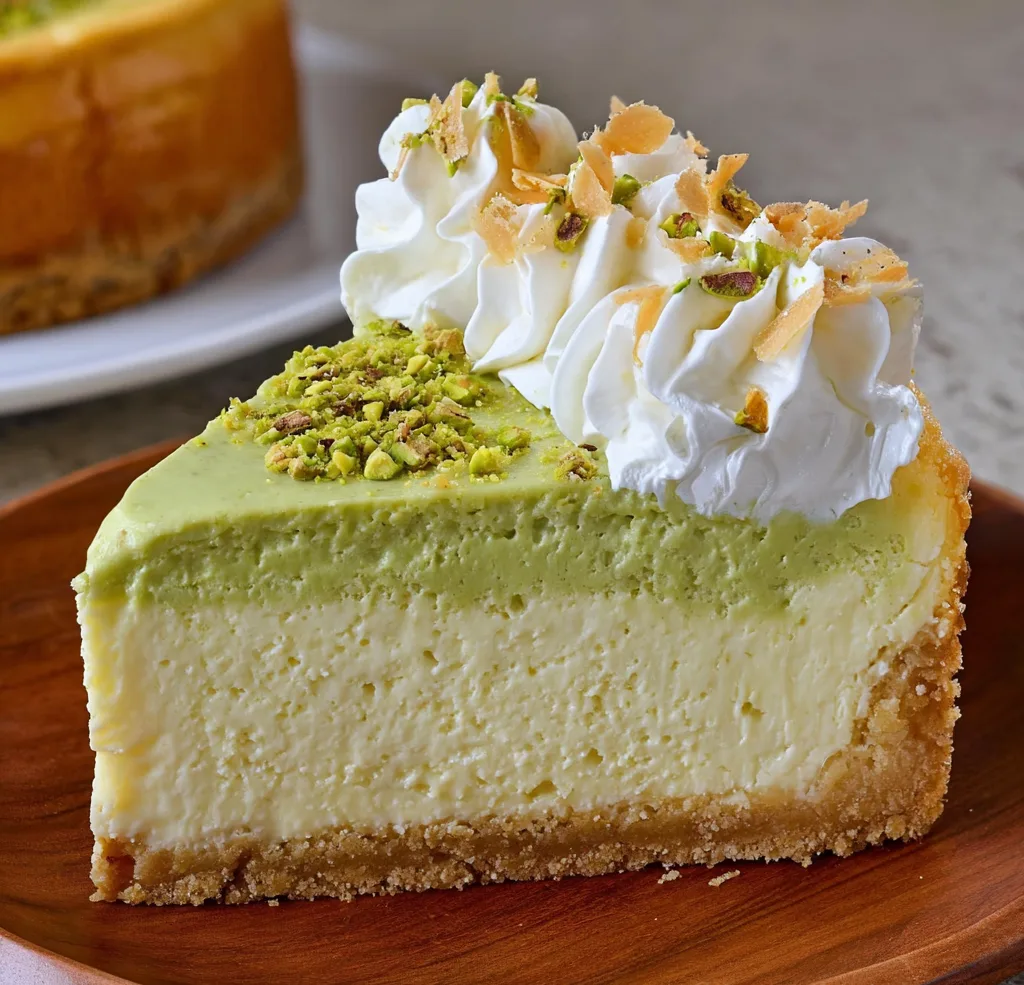
What to Do If Your Pistachio Cheesecake Cracks
Cracks can be frustrating, especially when you’ve taken the time to craft a rich, creamy pistachio cheesecake. The most common causes are:
- Overbaking: Your cheesecake should still wobble slightly in the center when you take it out of the oven.
- Skipping the water bath: A dry baking environment leads to cracks. Use a proper water bath setup for best results.
- Rapid cooling: Always cool gradually. Let the cheesecake rest in the oven with the door cracked before moving it to the fridge.
If your cheesecake does crack, don’t panic, cover it with a whipped cream topping, fresh pistachios, or a light pistachio praline crumble.
Using Pistachio Paste Instead of Butter
Wondering if you can swap pistachio butter with pistachio paste? You can. Just keep in mind:
- Pistachio paste is smoother and often sweeter due to added sugar.
- Adjust your cheesecake’s sugar levels to avoid an overly sweet result.
- Texture remains largely the same if blended well with cream cheese.
If you’re making paste from scratch, follow the same method you’d use to make pistachio butter at home, but stop once it reaches a thick, smooth consistency, this is essentially your pistachio paste.
Choosing the Best Cookies for Crust
The type of crust plays a major role in your pistachio cheesecake’s final flavor and structure. Here’s how different crusts stack up:
- Graham cracker crust: Slightly sweet and crumbly, the classic.
- Digestive biscuit crust: Earthier and firmer, ideal for a sturdy base.
- Nut-based crust: Almond or pistachio crumbs make a gluten-free, deeply nutty alternative.
Each option pairs beautifully with the real pistachio flavor in the filling, giving your cheesecake a solid and flavorful foundation.
Serving and Storage
Once your pistachio cheesecake is perfectly baked and chilled, it’s time to slice, serve, and store it properly. How you handle this step plays a big role in preserving the dessert’s rich flavor and signature creamy texture.
And If you’re looking for weight-loss-friendly desserts, this pairs beautifully with recipes like healthy Pinkberry frozen yogurt or even a refreshing pickle lemonade recipe.
How Long Should Cheesecake Chill Before Serving?
For the best results, let your pistachio cheesecake chill for at least 4 to 6 hours, though overnight is ideal. This resting period allows the filling to fully set, ensuring clean slices and a rich, creamy cheesecake consistency.
If you try cutting it too soon, the center may be too soft, and the texture won’t hold its shape. Always use a hot knife, wiping it clean between cuts for smooth, professional-looking slices.
Freezing Pistachio Cheesecake: Tips for Long-Term Storage
Yes, you can absolutely freeze pistachio cheesecake. Here’s how to do it right:
- Once fully chilled, remove the cheesecake from the springform pan.
- Wrap it tightly in plastic wrap, then again in foil to protect against freezer burn.
- Label with the date and freeze for up to one month.
To serve, thaw the cheesecake overnight in the fridge. Avoid thawing at room temperature, as it can affect the texture and lead to excess moisture on the surface.
Whether frozen or freshly chilled, pistachio cheesecake retains its flavor and structure beautifully when stored with care.
Serving Suggestions and Cheesecake Topping Ideas
Take your dessert to the next level with thoughtful garnishes and toppings:
- A light whipped cream topping balances the richness.
- Crushed toasted pistachios or a drizzle of honey enhances texture and sweetness.
- For a dramatic touch, add a sprinkle of pistachio praline or a citrusy dusting of lemon zest.
These cheesecake topping ideas add contrast and elegance, making each bite more indulgent.
Frequently Asked Questions About Pistachio Cheesecake
How do you make pistachio cheesecake from scratch?
To make pistachio cheesecake from scratch, start by preparing a graham cracker or digestive biscuit crust. Blend homemade pistachio butter or pistachio paste with full-fat cream cheese, sour cream, and sugar until smooth. Add eggs and a bit of lemon zest. Pour into the crust and bake using a cheesecake water bath to avoid cracks. Chill overnight before serving.
What is the best way to make pistachio butter?
Toast raw pistachios at 350°F for 8–10 minutes, then blend them in a food processor for 15–20 minutes until smooth. You can add a neutral oil to help achieve a creamy texture. This homemade pistachio butter brings bold, real pistachio flavor to your cheesecake.
Can you use pistachio paste instead of pistachio butter in cheesecake?
Yes, you can substitute pistachio paste for butter in pistachio cheesecake. Just check for added sugars or oils in the paste and adjust your recipe’s sugar accordingly. Homemade versions typically work better for flavor and consistency.
How do you bake a cheesecake without cracks?
To make a cheesecake without cracks, always use a water bath and avoid overmixing your batter. Let your pistachio cheesecake cool gradually in the oven with the door cracked, then chill thoroughly before slicing.
What cookies are best for a cheesecake crust?
For crusts, graham crackers and digestive biscuits are traditional and reliable. Cookie crusts made from vanilla or pistachio sandwich cookies also pair beautifully with pistachio cheesecake, enhancing the nutty base flavor.
Can I use low-fat cream cheese for cheesecake?
Yes, but expect a softer texture. Full-fat cream cheese delivers the best results for a stable and creamy cheesecake. If you’re adapting for a high-protein pistachio cheesecake, consider Greek yogurt or cottage cheese with proper thickening.
How long should cheesecake chill before serving?
Chill your pistachio cheesecake for a minimum of 4 to 6 hours, though overnight is ideal. This step ensures the dessert sets properly and slices cleanly.
How do you make pistachio praline?
To make pistachio praline, caramelize sugar in a pan, toss in toasted pistachios, then spread the mixture onto parchment paper. Let it cool completely before crushing into shards or powder. Sprinkle over your pistachio cheesecake for a crunchy, decorative finish.
What is the secret to creamy cheesecake?
The secret lies in using full-fat cream cheese, not overmixing your batter, and baking the cheesecake slowly in a water bath. Chilling it thoroughly enhances the smooth texture.
Can pistachio cheesecake be frozen?
Yes, pistachio cheesecake freezes well. Wrap it tightly and freeze for up to one month. Thaw overnight in the fridge for best results, texture and flavor will remain intact.
Final Tips, Enjoying and Sharing
By now, you’ve seen how versatile and rewarding pistachio cheesecake can be from classic presentations to high-protein or healthy variations. Whether you’re serving it at a dinner party, meal-prepping for the week, or freezing portions for later, a few final touches can elevate this creamy dessert into something truly special.
For even more healthy inspiration, explore our best homemade weight-loss drinks or try savory favorites like carne asada tacos.
Add a Signature Finish
To really make your pistachio cheesecake pop, consider these last-minute cheesecake topping ideas:
- A dollop of whipped cream topping and a sprinkle of toasted pistachios
- A swirl of lemon zest for brightness
- A drizzle of honey or light syrup for shine
- Crushed pistachio praline for crunch and elegance
These small additions enhance the real pistachio flavor without overpowering the creamy base.
Make It Your Own
Don’t be afraid to experiment with the recipe. Add a swirl of raspberry puree for a fruity twist, or try a nutty crust made with crushed almonds. Whether you’re leaning toward a healthy recipe or indulging in a full-fat classic, the structure of this pistachio cheesecake allows room to play.
Conclusion
Pistachio cheesecake is more than just a dessert, it’s a celebration of texture, flavor, and creativity. With a buttery cookie crust, creamy filling infused with real pistachio flavor, and customizable toppings, this cheesecake is both elegant and approachable. Whether you’re going for a classic bake or a healthy recipe with a protein boost, the steps you’ve learned here from making pistachio butter at home to using a proper cheesecake water bath set you up for success.
Store it chilled or frozen, dress it up with pistachio praline or whipped cream topping, and feel confident that each slice will deliver on taste and presentation. For even more inspiration in the kitchen, explore our favorite creations on Viva Lyze on Facebook, where you’ll find daily wellness ideas and natural recipes to try. You can also browse Viva Lyze on Pinterest for beautifully curated, health-boosting desserts that pair perfectly with your baking adventures.
Enjoy your homemade pistachio cheesecake, and don’t forget to share the love.