
Matcha pancakes combine the earthy richness of green tea with the soft texture of a breakfast classic. This antioxidant-packed dish has become a favorite among health-conscious eaters seeking something energizing yet comforting. With simple adjustments, you can create gluten free, vegan, or low sugar versions that suit your dietary needs.
Options like protein-packed or oat-based blends let you turn this recipe into a satisfying, balanced meal. Whether topped with fruit, yogurt, or nut butter, matcha pancakes offer a vibrant and flavorful way to start your morning. Their unique color and nutritional benefits make them a smart, tasty alternative to traditional pancake stacks.
In This Recipe
In This Recipe
What Are Matcha Pancakes?
Definition and Origin of Matcha Green Tea Pancakes
Matcha pancakes are a vibrant twist on traditional pancakes, made by incorporating finely ground matcha green tea powder into the batter. Originating from Japan, matcha is a powdered form of specially grown green tea leaves, long valued for its health benefits and bold, earthy flavor. When added to pancakes, matcha not only gives a striking green color but also delivers a unique taste that balances slightly bitter undertones with natural sweetness.
Unlike standard flapjacks, matcha green tea pancakes are often sought after for their nutritional profile. They’re a popular choice for those looking to enjoy a more antioxidant-rich, energizing breakfast without sacrificing comfort or flavor much like cottage cheese pancakes or greek yogurt pancakes.
How a Matcha Pancake Stack Differs from Regular Pancakes
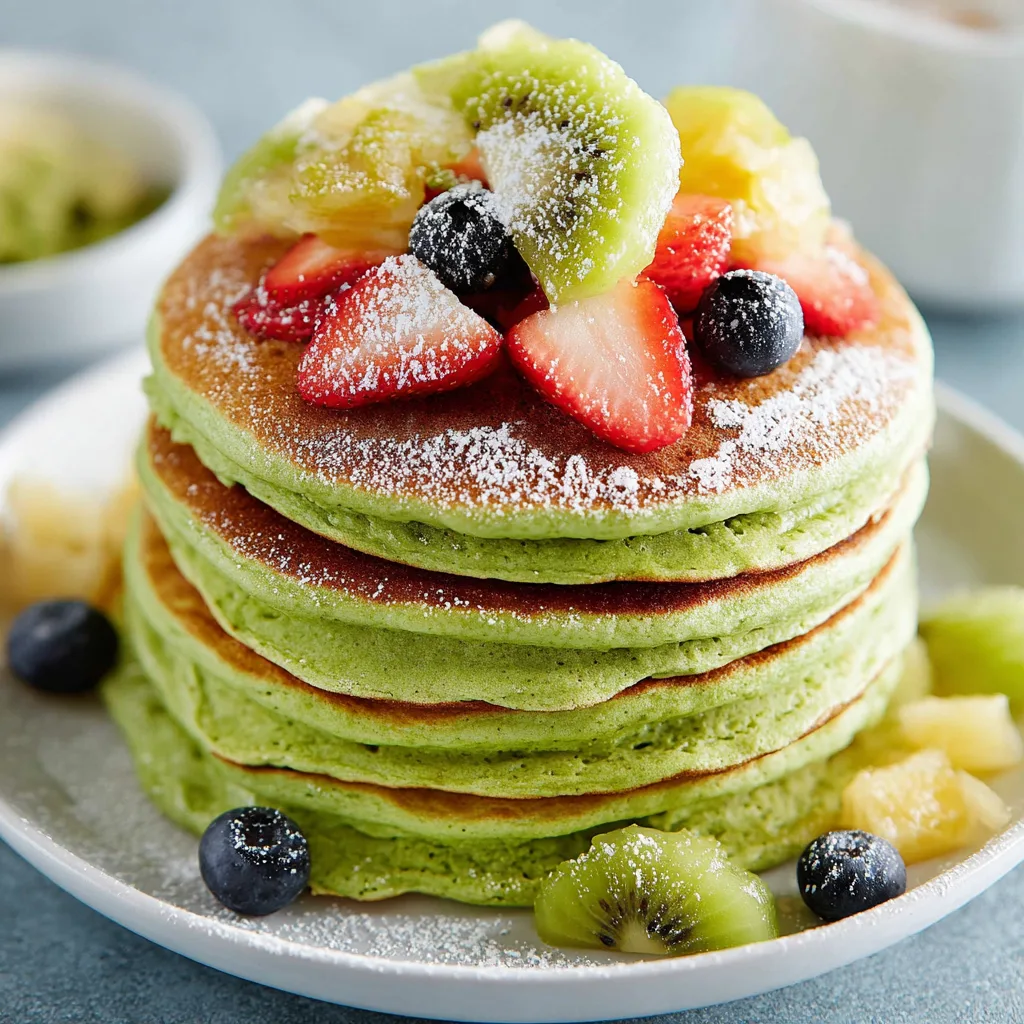
A fluffy matcha pancake stack stands out thanks to its rich green hue and smooth texture. Unlike the classic buttermilk version, these pancakes often feature ingredients like oat flour, almond milk, or coconut for added nutrition and flavor variety. Many recipes also cater to gluten free matcha pancakes or vegan matcha pancakes lovers, offering plant-based swaps that maintain fluffiness and flavor.
The addition of matcha provides not just color, but a mildly caffeinated lift that makes it perfect for a sweet matcha breakfast. Whether topped with berries or layered with creamy yogurt, a matcha pancake stack is as visually appealing as it is satisfying just like a croissant french toast.
Why the Vibrant Green Colour?
The signature color of matcha pancakes comes from ceremonial or culinary-grade matcha powder, which is naturally bright green due to its high chlorophyll content. This pigment is preserved by shading the tea leaves during the last phase of growth, boosting both color and antioxidant levels.
If your matcha pancakes aren’t as green as expected, the issue may lie in the quality or quantity of the powder used. High-grade matcha ensures a vivid result and a smoother flavor ideal for both beginner and seasoned matcha fans.
Why Choose Matcha Pancakes?
Antioxidant Pancakes – The Health Benefits of Matcha Green Tea
One of the standout reasons to enjoy matcha pancakes is their impressive antioxidant content. Matcha is rich in catechins, especially EGCG (epigallocatechin gallate), which helps fight free radicals and supports cellular health. Unlike regular pancakes, these antioxidant pancakes offer more than just comfort they contribute to your wellness goals with every bite.
Drinking matcha is known for promoting calm alertness due to its natural L-theanine and caffeine balance. When added to breakfast, this same combination can support mental clarity without the crash you might get from coffee similar to the gentle energy in this mango coconut smoothie.
Healthy Matcha Pancakes Versus Conventional Pancakes
Traditional pancakes often rely on refined flour, added sugars, and heavy dairy. In contrast, healthy matcha pancakes can be crafted with oat flour, almond milk, and minimal sweeteners. They’re ideal for anyone following a plant-based, gluten-free, or low-sugar diet. Swaps like coconut sugar, mashed bananas, or maple syrup allow for sweetness without spiking blood sugar levels.
Matcha pancakes also offer the option to increase dietary fiber and healthy fats especially when using toppings like chia seeds, berries, or nut butters. You’ll find similar nutritional flexibility in these fluffy peanut butter pancakes.
Matcha in Baking – What Does Matcha Do in Baking?
In baking, matcha acts as both a flavor enhancer and a natural colorant. It brings a mildly bitter, earthy note that balances well with sweeter ingredients. The fine powder disperses evenly in batters, giving pancakes a smooth consistency and rich green appearance.
Unlike some natural flavors that fade during cooking, matcha retains both its taste and nutrients at typical pancake-cooking temperatures. That makes it ideal not just for flavor but for turning your pancakes into a functional food that nourishes as it delights.

Key Ingredients for Fluffy Vegan & Gluten-Free Matcha Pancakes
Best Flour for Matcha Pancakes – What Flour Works Best?
The foundation of any pancake is its flour, and for matcha pancakes, choosing the right one ensures both texture and flavor shine through. All-purpose flour works well for traditional stacks, but if you’re aiming for gluten free matcha pancakes, options like oat flour, almond flour, or a gluten-free 1:1 baking blend provide great results.
Oat flour, in particular, offers mild sweetness and a fiber boost, making it a top choice for matcha oat pancakes. It holds moisture well and helps create a tender, fluffy structure. Almond flour adds richness, while rice flour yields a lighter texture. Whichever you choose, be sure to sift it with the matcha powder to prevent clumping as you would in any high protein oatmeal breakfast.
Vegan Matcha Pancakes – Plant-Based Choices and Substitutions
For those making vegan matcha pancakes, plant-based ingredients can easily mimic the structure of traditional ones. Instead of eggs, flaxseed meal or chia seeds mixed with water provide binding power. Non-dairy milk like almond, soy, or oat milk complements the earthy flavor of matcha and keeps the batter smooth.
Adding mashed banana or applesauce enhances moisture while also acting as a mild sweetener ideal for a sweet matcha breakfast that’s still wholesome. Coconut oil or avocado oil are excellent replacements for butter, maintaining fluffiness without dairy. These swaps are also common in cottage cheese flatbread.
Low Sugar Matcha Pancakes and Protein Pancakes – How to Boost Nutrition
To make low sugar matcha pancakes, reduce or skip refined sugar entirely. Natural sweeteners like maple syrup, stevia, or dates offer gentle sweetness without the spike. Adding unsweetened almond milk, cinnamon, or vanilla extract also enhances flavor subtly.
For a protein boost, you can create protein matcha pancakes by incorporating plant-based protein powder or Greek-style vegan yogurt into the batter. Some recipes use almond flour or add hemp seeds, which increase protein without affecting texture.
With the right ingredients, you can easily create a matcha pancake that’s fluffy, satisfying, and customized for your dietary needs whether gluten-free, vegan, low-sugar, or high-protein.
Step-by-Step Recipe for Easy Breakfast Matcha Oat Pancakes
Recipe Overview (Serves 4–6) – Matcha Oat Pancakes with Coconut Matcha Elements
This recipe makes a naturally energizing, fiber-rich batch of matcha oat pancakes, ideal for a weekend brunch or weekday breakfast. It’s fully customizable whether you want vegan matcha pancakes, gluten free matcha pancakes, or a tropical coconut matcha pancake twist.
PrintMatcha Pancakes Recipe
- Prep Time: 10 minutes
- Cook Time: 10 minutes
- Total Time: 20 minutes
- Yield: 4–6 1x
- Category: Breakfast
- Cuisine: Japanese-inspired
- Diet: Vegan
Ingredients
- 1 cup oat flour (or gluten-free 1:1 blend)
- 1 tbsp matcha green tea powder
- 2 tsp baking powder
- 1/8 tsp salt
- 1 cup unsweetened almond milk (or oat milk)
- 1 tbsp coconut oil (melted)
- 1 tbsp maple syrup (optional)
- 1 flax egg (1 tbsp ground flaxseed + 3 tbsp water)
- 1/2 tsp vanilla extract
- Optional: 2 tbsp shredded coconut for topping
Instructions
- In a mixing bowl, combine oat flour, matcha powder, baking powder, and salt.
- In a separate bowl, whisk almond milk, flax egg, maple syrup, melted coconut oil, and vanilla.
- Pour wet ingredients into dry and stir until just combined. Let batter rest 5–10 minutes.
- Preheat a non-stick skillet over medium heat. Lightly oil with coconut oil.
- Pour 1/4 cup batter per pancake onto skillet. Cook 2–3 minutes until bubbles form. Flip and cook another 1–2 minutes until golden.
- Stack and serve warm with toppings like yogurt, berries, or nut butter.
Notes
- For protein matcha pancakes, add 1 scoop of plant-based protein powder.
- For a coconut matcha pancake vibe, use coconut milk and top with toasted flakes.
- Sweetness is optional: matcha’s flavor shines with or without syrup.
Preparation Steps: Mixing the Batter, Adding Matcha Powder
In a medium bowl, whisk together oat flour, matcha powder, baking powder, and salt. In a separate bowl, mix the almond milk, flax egg, vanilla, maple syrup, and melted coconut oil. Slowly pour the wet mixture into the dry ingredients and stir until just combined.
To ensure a smooth blend, sift the matcha green tea powder before mixing. This helps prevent clumps and ensures an even, vibrant color throughout your matcha pancake stack. Let the batter rest for 5–10 minutes so it thickens slightly and activates the leavening agents.
Can I add matcha powder to my pancakes?
Absolutely. Matcha can be added directly to the dry ingredients, 1 tablespoon is ideal for flavor, color, and benefits without overpowering the dish.
Cooking Tips to Keep Pancakes Fluffy – How Do You Keep Pancakes Fluffy?
Preheat a non-stick skillet or griddle over medium heat and lightly grease with coconut oil. Pour 1/4 cup of batter for each pancake and cook for 2–3 minutes, or until bubbles form and edges look set. Flip and cook for another 2 minutes.
How do you keep pancakes fluffy?
Use fresh baking powder, don’t overmix the batter, and avoid pressing the pancakes while cooking. Let the batter rest and flip only once to maintain airiness.
Once golden and cooked through, stack them high, sprinkle with shredded coconut, and enjoy your easy breakfast matcha pancakes delicious, nourishing, and deeply satisfying.
Variations & Serving Suggestions for Sweet Matcha Breakfast
Gluten Free Matcha Pancakes Variation
For those avoiding gluten, gluten free matcha pancakes are easy to prepare by using certified gluten-free oat flour or a 1:1 gluten-free baking mix. Ensure all added ingredients, like baking powder, are also gluten-free. The matcha flavor shines through beautifully with oat flour, adding mild sweetness and fiber to every bite.
To keep texture light and airy, sift your dry ingredients and don’t overwork the batter. For extra lift, add a dash of apple cider vinegar to activate baking powder.
Explore more ideas like these with our cottage cheese banana bread recipe.
Protein Matcha Pancakes Variation – Adding Protein Powder or Extra Oats
Want your pancakes to power your morning workout? Try protein matcha pancakes by blending in a scoop of unflavored or vanilla plant-based protein powder. Add an extra splash of almond milk to maintain pourable consistency.
You can also boost protein naturally with chia seeds, hemp hearts, or finely ground almonds. These additions blend well and add staying power, making your matcha pancake stack both delicious and functional.
Looking for another creative spin? Check out our cottage cheese cookie dough recipe.
Coconut Matcha Pancake Variation and Matcha Pancake Stack Ideas
For a tropical take, stir shredded coconut into the batter and swap almond milk for coconut milk. Top your stack with toasted coconut flakes and a drizzle of coconut cream to complete this coconut matcha pancake experience.
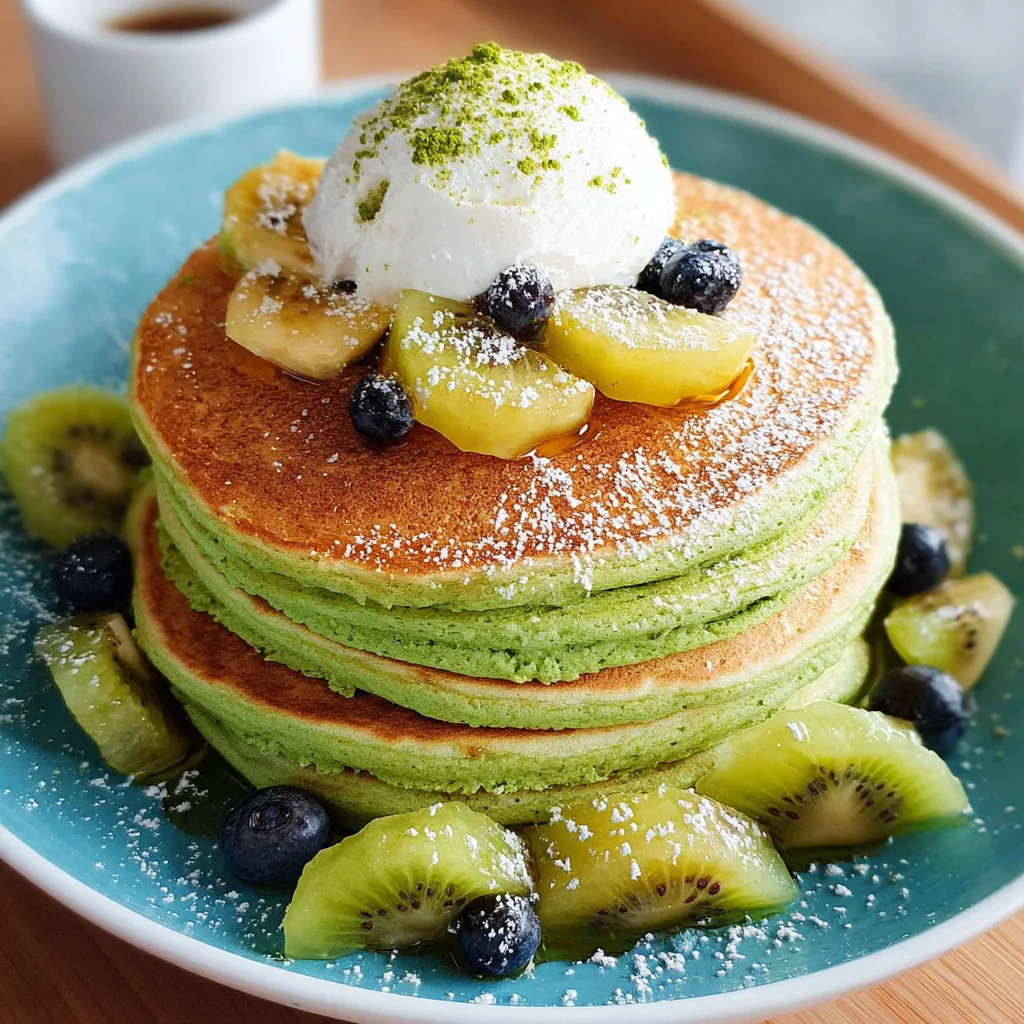
For visual appeal, layer your matcha pancake stack with dairy-free yogurt and sliced fruit between pancakes. Strawberries, blueberries, and banana slices all pair well with matcha’s earthy flavor.
Toppings and Pairings: Honey-Maple, Berries, Yogurt, Nut Butter
Toppings turn a simple pancake into a full sweet matcha breakfast. Here are some favorites:
- Fresh berries for natural sweetness and color
- Greek-style vegan yogurt for tang and protein
- Drizzled almond or peanut butter for richness
- A light pour of maple syrup or honey-maple blend
- Chia jam or date syrup for refined sugar-free options
Balance flavor and texture with toppings that complement matcha’s profile creamy, crunchy, tangy, and sweet.
Frequently Asked Questions About Matcha Pancakes
What makes matcha pancakes green?
The vibrant green color in matcha pancakes comes from matcha powder, which is made from finely ground green tea leaves. High-quality matcha is rich in chlorophyll, giving it its signature bright green hue that holds up well during cooking.
Are matcha pancakes healthy?
Yes, matcha pancakes can be a healthy option especially when made with nutrient-dense ingredients like oat flour, plant-based milk, and minimal sweeteners. Matcha is loaded with antioxidants that may support energy, focus, and overall wellness.
Can you add protein powder to matcha pancakes?
Absolutely. Adding protein powder is a great way to make protein matcha pancakes. Use an unflavored or vanilla plant-based protein to complement the matcha flavor, and adjust the liquid slightly to maintain the right batter consistency.
What flour works best for matcha pancakes?
Oat flour is a top choice for fluffy matcha pancakes, especially if you’re aiming for a gluten-free version. Other good options include almond flour or a gluten-free baking mix, all of which blend well with matcha.
How do you keep pancakes fluffy?
To keep pancakes fluffy, use fresh baking powder, avoid overmixing, and let the batter rest before cooking. Cook on medium heat and flip only once to preserve air pockets and ensure even rise.
Can I add matcha powder to my pancakes?
Yes, matcha powder can be added directly to the dry ingredients when making pancake batter. About 1 tablespoon per cup of flour is enough to provide vibrant color and flavor without being overpowering.
What are matcha pancakes?
Matcha pancakes are pancakes infused with matcha green tea powder. They offer a subtle earthy flavor, a natural energy boost, and a vivid green color, making them a healthy and flavorful alternative to traditional pancakes.
What does matcha do in baking?
In baking, matcha adds a distinctive taste, a natural green color, and antioxidants. It works well in batters and doughs and retains both flavor and nutrients when cooked at moderate temperatures.
Final Thoughts – Making Matcha Pancakes Part of Your Routine
Incorporating matcha pancakes into your breakfast lineup is an easy way to elevate your mornings with both flavor and function. Whether you’re experimenting with low sugar matcha pancakes, stacking up a coconut version, or sticking to a classic fluffy stack, there’s a variation to match every lifestyle and dietary need.
These green beauties aren’t just a trend they’re a delicious way to bring antioxidants, fiber, and natural energy into your day. Once you try them, you’ll see how simple it is to adjust the recipe to suit your pantry, mood, or wellness goals.
Looking for more healthy and easy meal ideas? You’ll find daily inspiration, wellness tips, and family-friendly recipes on Viva Lyze on Facebook. And if you’re a visual thinker, explore beautifully curated wellness food boards on Viva Lyze on Pinterest your next favorite breakfast might just be a scroll away.