
Why Everyone Is Talking About the Gelatin Trick for Weight Loss
If you’ve spent any time scrolling through TikTok, Instagram, or wellness blogs lately, you’ve probably noticed something unexpected trending in the weight loss space: plain, unflavored gelatin. Not fancy supplements, not expensive meal plans, not complicated workout routines—just simple gelatin packets that cost a few dollars at any grocery store.
Article summary
In This Article
So why is everyone suddenly obsessed with the gelatin trick for weight loss?
The answer comes down to something we all struggle with: hunger. Real, persistent, nagging hunger that makes every diet feel like punishment. The kind that whispers in your ear at 3 PM, convincing you that one small snack won’t hurt—and then another, and another.
Here’s what’s sparked the viral attention. People are claiming that consuming a small amount of unflavored gelatin before meals helps them feel satisfied faster, eat smaller portions naturally, and walk away from the table without that gnawing emptiness that usually leads to overeating. Some wellness creators have even compared it to a DIY version of appetite-suppressing medications, though that comparison stretches the truth considerably.
The trend gained mainstream traction when health experts and medical correspondents began discussing gelatin’s potential role in appetite management. When searches for this simple kitchen ingredient started outpacing trendy diet supplements by over 300%, it became clear that people were hungry—pun intended—for an accessible, affordable approach to weight management that didn’t require expensive products or dramatic lifestyle overhauls.
But let’s pause here and set some realistic expectations, because this article isn’t about selling you a magic solution.
The gelatin trick won’t melt fat off your body while you sleep. It won’t replace balanced nutrition, mindful eating habits, or the importance of movement. What it can do, according to both anecdotal reports and some supporting research, is serve as a helpful tool in your appetite control toolkit—one that works alongside your other healthy habits rather than replacing them.
Think of it like this: if managing your weight is like building a house, the gelatin trick is one useful tool in your toolbox. It’s not the whole house, but it might help you work more efficiently while building it.
What makes this approach particularly appealing is its simplicity. Unlike complicated weight loss drinks requiring long ingredient lists or meal prep sessions demanding hours in the kitchen, the gelatin trick takes about five seconds to prepare and costs almost nothing. It fits seamlessly into busy lives without adding another burdensome task to your already full plate.
Throughout this guide, we’ll explore exactly how this approach works, what the science says (and doesn’t say), how to prepare gelatin correctly for maximum satiety benefits, and how to integrate it into a sustainable weight management plan that actually works for real life. You’ll learn timing strategies, recipe variations, and how to combine this trick with satisfying meals like the ones you’ll find in our breakfast recipes collection for all-day energy and fullness.
Ready to discover whether this viral trend deserves a place in your wellness routine? Let’s dig into the details.

What Is the Gelatin Trick for Weight Loss?
At its core, the gelatin trick is remarkably straightforward. You dissolve one tablespoon of unflavored gelatin powder in a cup of warm water, drink it about 20 to 30 minutes before a meal, and let it work its subtle magic in your stomach. That’s it. No proprietary blends, no subscription boxes, no secret ingredients—just gelatin and water.
The idea behind this approach centers on what happens when gelatin enters your digestive system. Unlike regular liquids that pass through relatively quickly, gelatin forms a soft gel-like substance that adds volume to your stomach without adding significant calories. A typical serving contains only 30 to 40 calories while delivering around 6 grams of protein. This gentle expansion triggers stretch receptors in your stomach lining, sending early satiety signals to your brain before you’ve even taken your first bite of actual food.
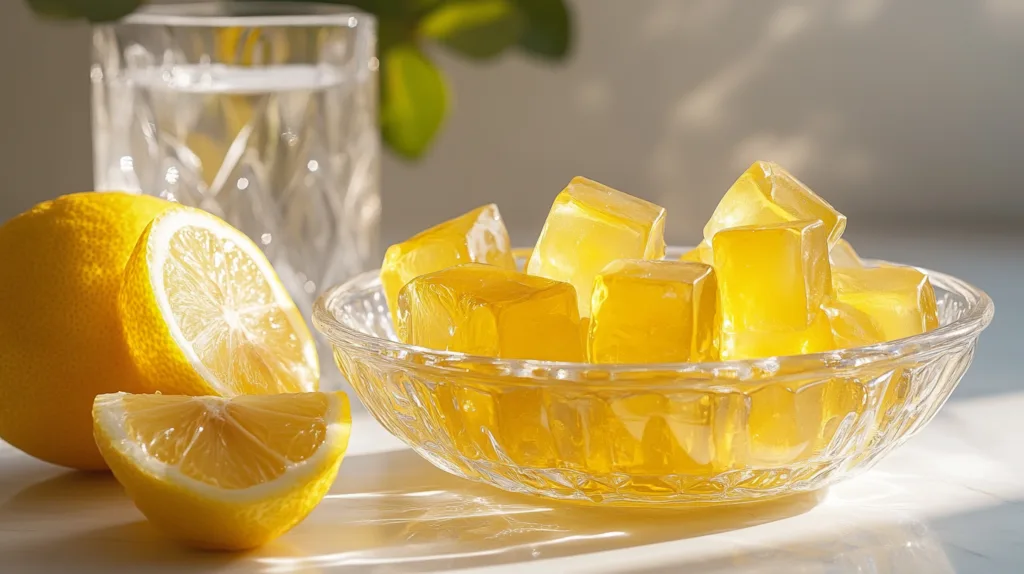
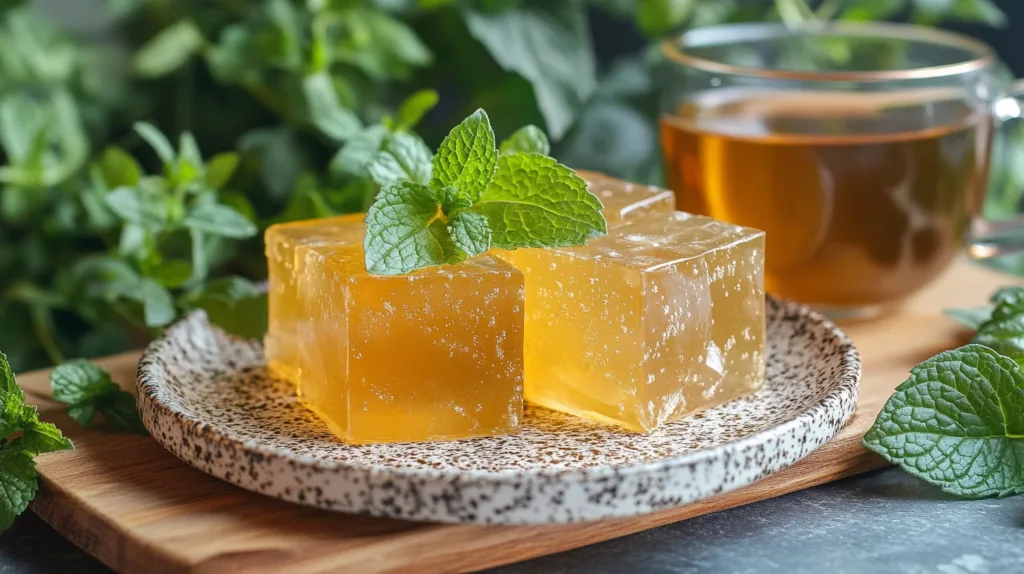
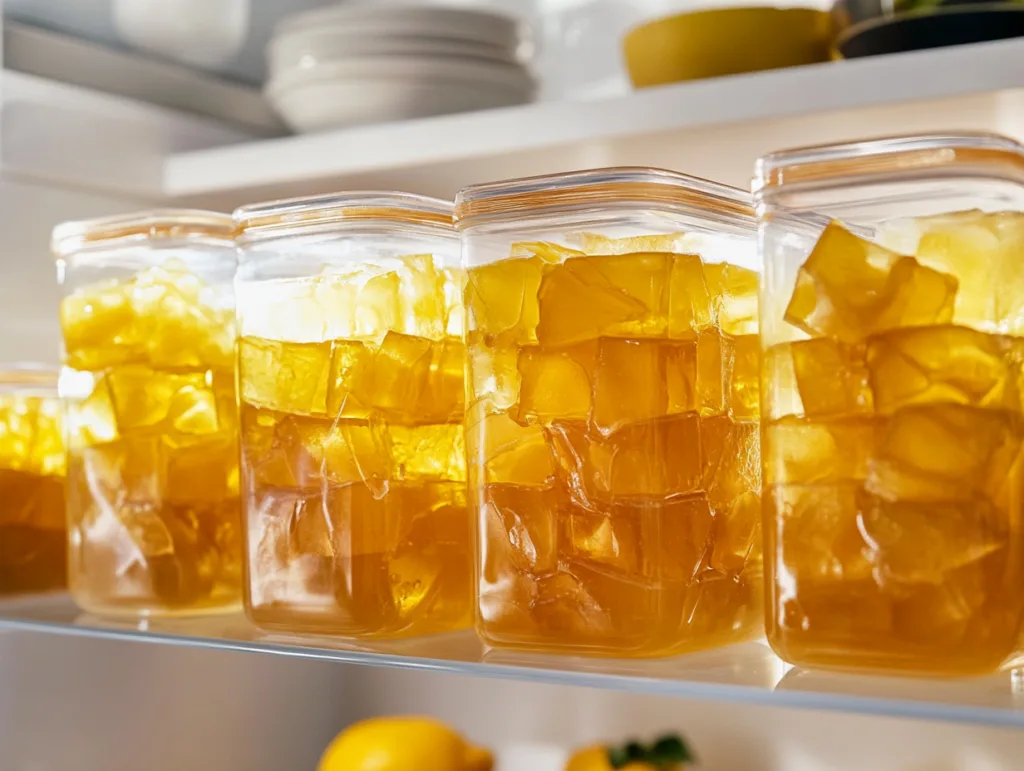
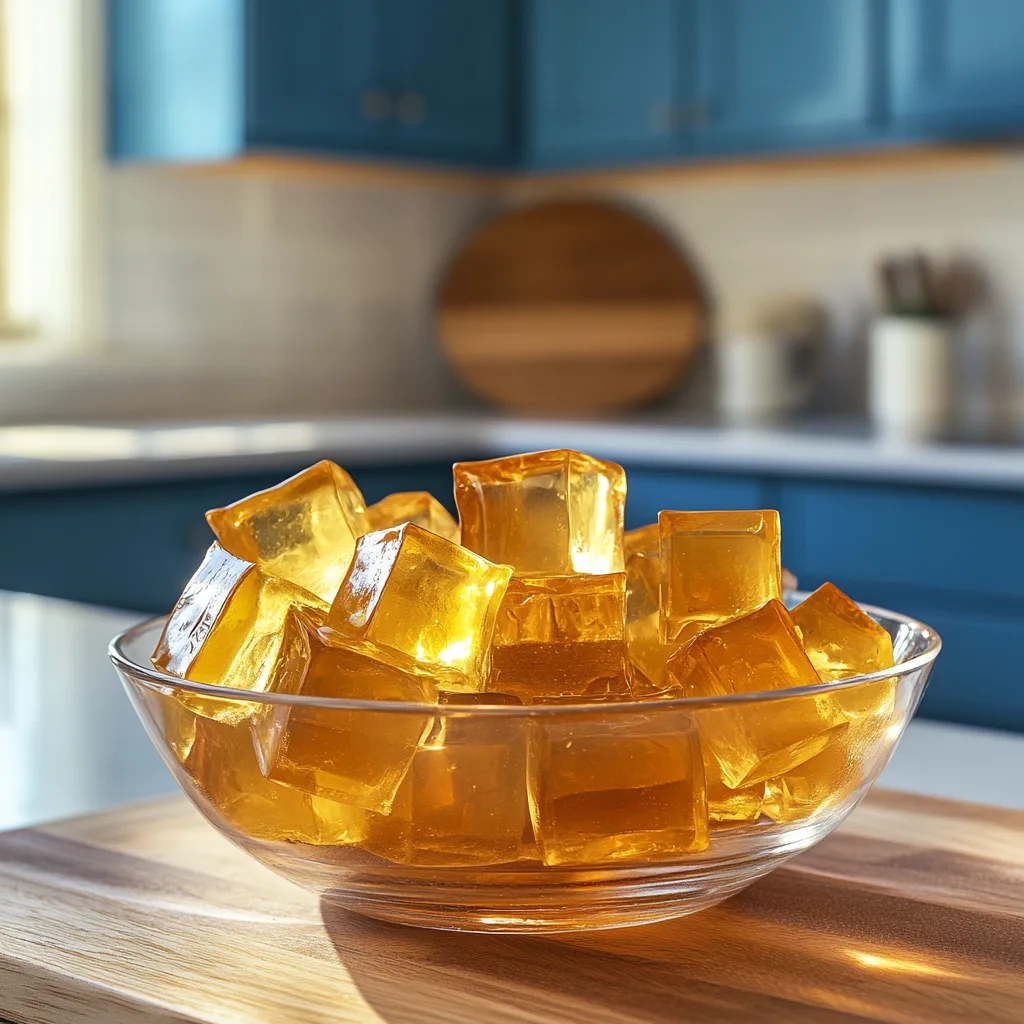
People use the gelatin trick in several ways depending on their preferences and schedules. Some drink it warm as a simple broth-like beverage before lunch or dinner. Others prefer to let the mixture set in the refrigerator, creating small cubes they can pop like a pre-meal snack. A few add lemon juice, a splash of apple cider vinegar, or a pinch of salt to improve the taste and potentially enhance the digestive benefits.
Why This Simple Trick Captured Millions of Followers
The gelatin trick exploded in popularity for reasons that go beyond its potential effectiveness. First, it arrives at a moment when people are actively searching for alternatives to expensive weight management solutions. Prescription appetite medications can cost hundreds of dollars monthly and require medical supervision. Specialty supplements crowd store shelves with confusing claims and steep price tags. Meanwhile, a box of unflavored gelatin costs around three dollars and lasts for weeks.
Second, this trend taps into the growing collagen wellness movement. Many people already associate gelatin—which is derived from collagen—with benefits for skin elasticity, joint health, and gut support. The weight management angle feels like a natural extension of something they already trust.
Third, and perhaps most importantly, the gelatin trick meets people where they actually live. It doesn’t demand perfection, doesn’t require giving up entire food groups, and doesn’t shame anyone for enjoying a satisfying dessert now and then. It simply offers a small supportive habit that might make balanced eating feel more achievable.
From Viral Moment to Lasting Lifestyle Change
Here’s where honest conversation matters. Viral trends come and go constantly in the wellness world, and many disappear as quickly as they arrived because they promise more than they deliver. The gelatin trick occupies an interesting middle ground—it offers modest, realistic benefits rather than outrageous claims, which actually works in its favor for long-term adoption.
The difference between a fleeting trend and a sustainable habit comes down to integration. People who treat gelatin as one component of a broader healthy lifestyle—combining it with nutritious main dishes, adequate hydration, regular movement, and quality sleep—tend to report the most consistent results. Those expecting gelatin alone to transform their bodies typically feel disappointed.
Think of this trick not as a destination but as a helpful companion on a longer journey. When positioned correctly within your daily routine, it can genuinely support your goals without becoming another failed diet experiment collecting dust in your memory.
How Gelatin Supports Weight Loss (Science Explained Simply)
Understanding why gelatin might help with appetite control starts with knowing what gelatin actually is. Most people recognize it as the ingredient that makes Jell-O jiggly, but its origins go much deeper than dessert cups and fruit molds.
Gelatin comes from collagen, the most abundant protein in the human body. Collagen forms the structural framework of your skin, bones, tendons, and connective tissues—essentially the biological glue holding everything together. When animal bones, skin, and cartilage are slowly simmered in water, the collagen breaks down and releases gelatin. This is exactly what happens when you make homemade bone broth and notice it turns into a wobbly gel after cooling in the refrigerator.
So gelatin is simply cooked collagen transformed into a form your body can easily digest and absorb. Nothing synthetic, nothing manufactured in a laboratory—just a traditional protein source that humans have consumed for thousands of years through slow-cooked soups, stews, and broths.
The Protein Connection to Feeling Full
Here’s where things get interesting for anyone trying to manage their appetite. Among the three main macronutrients—protein, carbohydrates, and fats—protein stands out as the most satiating. This means gram for gram, protein keeps you feeling fuller longer than the other two.
Imagine eating a plain bagel for breakfast versus eating eggs with a slice of whole grain toast. Both meals might contain similar calories, but most people find that the egg breakfast carries them further into the morning without hunger pangs. The protein in those eggs sends different signals to your brain than the mostly carbohydrate-based bagel.
La gélatine fonctionne de la même manière. Une cuillère à soupe apporte environ 6 grammes de protéines, avec pratiquement aucun glucide ni lipide. En la consommant avant les repas, vous procurez à votre corps une sensation de satiété avant même de commencer à manger.
Mais la gélatine offre un avantage par rapport aux sources de protéines ordinaires. Grâce à sa structure unique, elle se comporte différemment dans le système digestif qu’un morceau de poulet ou une dose de protéines en poudre.
Research published in the American Journal of Clinical Nutrition confirms that among all macronutrients, protein has the strongest effect on satiety and helps reduce overall calorie intake when consumed before or during meals.
The Gentle Expansion Effect
Picture dropping a sponge into water. The sponge absorbs liquid and expands, taking up more space than it did when dry. Gelatin does something similar in your stomach, though in a gentler, more gradual way.
When gelatin dissolves in warm water and then cools—whether in a glass, in the refrigerator, or in the environment of your stomach—it forms a soft gel matrix. This gel doesn’t rush through your digestive system the way plain water or juice would. Instead, it lingers, creating gentle volume and slowing down the rate at which your stomach empties its contents.
This slower emptying process matters enormously for appetite management. Your stomach contains stretch receptors that communicate with your brain about how full you are. When these receptors sense expansion, they send signals telling your brain that food has arrived and satisfaction is on its way. By adding low-calorie volume through gelatin before eating, you may trigger these fullness signals earlier in your meal.
The result for many people is a natural reduction in portion sizes without the white-knuckle willpower usually associated with eating less. You stop eating sooner because your body genuinely feels satisfied sooner—not because you’re forcing yourself to push away from the table while still hungry.
Why Feeling Satisfied Changes Everything
Anyone who has ever tried restricting calories knows the misery of persistent hunger. That constant empty feeling doesn’t just make dieting unpleasant—it makes it unsustainable. Willpower is a finite resource, and fighting genuine hunger signals day after day eventually depletes it.
This is precisely why so many diets fail within the first few weeks. People can tolerate feeling hungry temporarily, but their bodies eventually rebel. Cravings intensify, concentration suffers, mood deteriorates, and eventually a breaking point arrives. The pantry door opens at midnight, and weeks of careful effort unravel in a single frustrated binge.
Approaches that work with your body’s satiety signals rather than against them tend to produce more lasting results. When you feel genuinely satisfied after meals, you naturally think about food less often between meals. Late-night snacking loses its appeal when dinner actually left you content. That mid-afternoon vending machine run becomes unnecessary when lunch carried you through comfortably.
The gelatin trick aims to support exactly this kind of natural fullness. It doesn’t suppress appetite through stimulants or chemicals—it simply helps your stomach feel occupied and your brain feel informed that nourishment has arrived.
Combined with balanced meals featuring adequate protein, fiber, and healthy fats—like many of the satisfying options in our main dishes collection—this pre-meal habit may create a foundation where eating less doesn’t feel like suffering. And when eating well stops feeling like punishment, maintaining healthy habits becomes genuinely achievable for the long term.
Think of gelatin as a gentle bridge between your intentions and your appetite. It won’t override poor food choices or eliminate the need for balanced nutrition, but it might make the journey toward your goals feel considerably less like a battle against your own body.
Gelatin Trick Recipe: How to Make It Step by Step

Gelatin Trick Recipe: How to Make It Step by Step

Now that you understand why gelatin might support your appetite control goals, let’s get practical. This section walks you through everything you need to create the gelatin trick at home, from gathering ingredients to timing your intake for maximum effectiveness.
The beauty of this approach lies in its simplicity. You don’t need specialty equipment, culinary expertise, or hard-to-find ingredients. If you can boil water and stir, you can make this work.
- Prep Time: 5 minutes
- Cook Time: 0 minutes
- Total Time: 5 minutes
- Yield: 1 serving
- Category: Drinks
- Method: Stirring
- Cuisine: American
- Diet: Gluten Free
Ingredients
Ingredients You’ll Need

The classic gelatin trick requires only three basic components:
Unflavored gelatin powder — One tablespoon per serving. Look for brands like Knox, Great Lakes, or Vital Proteins at your local grocery store. The key word here is unflavored. Flavored gelatin dessert mixes contain added sugars and artificial ingredients that defeat the purpose. Plain, unflavored gelatin comes in small packets or larger canisters and should list gelatin as the only ingredient.
Warm water — One cup (8 ounces) heated to near boiling. The water needs to be hot enough to fully dissolve the gelatin powder. Lukewarm water won’t cut it—you’ll end up with clumps instead of a smooth mixture.
Optional flavor additions — Fresh lemon juice (one to two tablespoons), a splash of apple cider vinegar, a pinch of sea salt, or a few drops of liquid stevia if you prefer slight sweetness. These additions can make the experience more pleasant without adding significant calories.
Instructions

Step one: Heat your water until it’s steaming hot but not quite boiling. A kettle works perfectly, or you can microwave a mug of water for about 90 seconds.
Step two: Pour the hot water into a heat-safe glass or mug.
Step three: Sprinkle one tablespoon of unflavored gelatin powder over the surface of the water. Don’t dump it all in one spot—scatter it across the surface to prevent clumping.
Step four: Let the gelatin sit undisturbed for one to two minutes. This allows the powder to absorb water and begin softening, a process called blooming.
Step five: Stir vigorously with a fork or small whisk until the gelatin completely dissolves. The liquid should appear clear or slightly cloudy with no visible granules floating around.
Step six: Add any optional flavorings at this point and stir to combine.
Step seven: Either drink the mixture warm immediately, or pour it into a shallow container and refrigerate for 30 to 60 minutes until it sets into a soft gel that you can cut into cubes.
Notes
For best results, drink 20-30 minutes before your largest meal. You can also refrigerate the mixture for 30-60 minutes to create gelatin cubes as a make-ahead option. Store cubes in an airtight container in the refrigerator for up to 5 days. Always use unflavored gelatin powder, not flavored Jell-O mixes. Optional add-ins include fresh lemon juice, raw honey, or apple cider vinegar.
Nutritional Information (Approximate)
One serving of the basic gelatin trick provides roughly the following:
Calories range from 30 to 40 depending on the brand you choose. Protein comes in at approximately 6 grams, which is comparable to one egg white. Carbohydrates sit at zero grams, as does fat content. There’s no fiber and no sugar in plain unflavored gelatin.
This nutritional profile makes the gelatin trick remarkably efficient for what it delivers. You’re getting protein-based satiety support for fewer calories than a single apple. When compared to other pre-meal snacks people often reach for—crackers, cheese, handfuls of nuts—the caloric savings add up quickly over days and weeks.
Best Timing for Maximum Effectiveness

When you consume the gelatin matters almost as much as consuming it at all. The goal is giving the gelatin time to reach your stomach and begin its gentle expansion before food arrives.
Twenty to thirty minutes before meals represents the sweet spot most people find effective. This window allows the gelatin to settle, start forming its soft gel matrix, and begin triggering those early fullness signals. Drinking it five minutes before eating doesn’t provide enough lead time, while taking it an hour early might mean the effect has already begun fading.
Before your largest meal often produces the most noticeable results. For many people, this means consuming the gelatin trick before dinner, when portion sizes tend to grow and late-night snacking temptations lurk just hours away. However, if lunch is your biggest meal or your most challenging time for overeating, shift your timing accordingly.
Evening consumption can serve double duty. Taking the gelatin trick before dinner may help with portion control at the meal itself while also reducing the likelihood of raiding the pantry before bed. Some people report that the amino acid glycine found in gelatin also supports more restful sleep, though individual experiences vary.
Consistency matters more than perfection. Using the gelatin trick once and expecting transformation leads nowhere. People who report meaningful results typically maintain the habit daily for at least two to three weeks before evaluating whether it’s working for them.
Common Mistakes That Undermine Results
Even simple approaches can go sideways when small errors creep in. Here are the pitfalls to avoid:
Using flavored gelatin or Jell-O mixes ranks as the most common mistake. These products contain sugar, artificial sweeteners, colors, and other additives that add calories without benefits. Always choose plain, unflavored gelatin powder.
Not dissolving the gelatin completely leaves you with an unpleasant gritty texture that makes the experience miserable. Take the extra minute to stir thoroughly until no granules remain visible.
Drinking it too close to mealtime doesn’t allow adequate time for the satiety signals to kick in. You’ll sit down hungry, eat your normal amount, and then feel overly stuffed twenty minutes later when everything catches up. Maintain that 20 to 30 minute buffer.
Expecting immediate weight loss sets you up for disappointment. The gelatin trick supports appetite management—it doesn’t directly burn fat or boost metabolism in dramatic ways. Weight changes, if they occur, happen gradually through reduced caloric intake over time.
Skipping meals entirely because you feel full from the gelatin represents a misuse of this tool. The goal is eating appropriate portions of nourishing food, not avoiding food altogether. Pair your gelatin habit with balanced meals featuring protein, vegetables, and healthy fats like those in our breakfast collection for sustained energy throughout your day.
Using too much gelatin in hopes of amplifying effects can backfire. Excessive gelatin consumption may cause digestive discomfort, bloating, or constipation in some people. Stick with one tablespoon per serving and listen to how your body responds before considering any adjustments.
Forgetting hydration undermines everything. Gelatin absorbs water as part of how it works. If you’re not drinking enough fluids throughout the day, you may experience constipation or discomfort. Aim for adequate water intake alongside your gelatin habit—those refreshing options in our drink recipes section can help make hydration more enjoyable.
By avoiding these common errors and following the straightforward preparation steps, you position yourself to experience whatever benefits the gelatin trick might offer your personal appetite management journey.
How the Gelatin Trick Helps Control Appetite and Cravings
Understanding how the gelatin trick actually influences your eating behavior helps set appropriate expectations and reveals why so many people find it genuinely useful. This isn’t about suppressing hunger through willpower or tricking yourself into ignoring what your body needs. It’s about working with your natural satiety mechanisms to create conditions where eating less feels comfortable rather than forced.
Why Snacking Loses Its Grip
The urge to snack between meals rarely stems from genuine physical hunger. More often, it arises from a combination of factors: blood sugar fluctuations, boredom, stress, habit loops formed over years, or simply not feeling quite satisfied after your last meal. That nagging sense that something is missing sends you wandering toward the kitchen even when lunch was only two hours ago.
The gelatin trick addresses the physical component of this equation. When your stomach registers meaningful volume and your brain receives protein signals indicating that nourishment has arrived, the background noise of constant hunger quiets down. You’re not fighting cravings with mental resistance—you’re simply experiencing fewer cravings because your body feels appropriately fed.
People who use gelatin consistently before meals often report that the three o’clock slump loses its power. That dangerous window between lunch and dinner, when vending machines and office snack drawers call out most loudly, becomes easier to navigate. Not because the snacks stopped being tempting, but because the urgency behind reaching for them diminished.
Similarly, evening snacking—often the most challenging habit to break—becomes more manageable when dinner actually leaves you satisfied. The difference between pushing away from the table while still wanting more and pushing away feeling genuinely content determines whether you’ll find yourself in the pantry at nine o’clock.
Strategic Timing Before Meals
Consuming gelatin 20 to 30 minutes before eating creates a gentle head start on fullness. By the time you sit down to your meal, your stomach has already registered incoming volume and begun sending preliminary satisfaction signals to your brain.
This timing matters because satiety signals don’t work instantaneously. There’s a natural delay between when food enters your stomach and when your brain fully processes that information. This delay explains why eating quickly often leads to overeating—you’ve consumed far more than you needed before the fullness message arrives.
The gelatin trick essentially gives those signals a running start. You begin eating with partial satisfaction already in place, which means you reach genuine fullness sooner and with less food on your plate. Portions shrink naturally because stopping feels right rather than premature.
This approach pairs beautifully with mindful eating practices. When you’re not ravenously hungry at the start of a meal, you can slow down, taste your food, and notice when enough becomes enough. Meals transform from rushed refueling sessions into more pleasant experiences you can actually enjoy.
How Gelatin Compares to Other Satiety Strategies
You might wonder how the gelatin trick stacks up against other common approaches to appetite management, like eating fiber-rich foods or protein-heavy snacks before meals.
Fiber works wonderfully for satiety. Vegetables, whole grains, and fruits expand in your stomach and slow digestion effectively. However, fiber-rich pre-meal snacks often come with more calories, require preparation, and may not fit conveniently into every situation. A handful of raw vegetables is fantastic when you’re home with a stocked refrigerator—less practical when you’re rushing between meetings.
Protein snacks like cottage cheese cookie dough or Greek yogurt deliver excellent satiety and valuable nutrients. They represent smart choices for planned snacking. However, they also contribute more calories than the gelatin trick’s minimal 30 to 40 per serving and require refrigeration and planning.
Gelatin occupies a unique middle ground. It delivers protein-based satiety signals with almost negligible calories, requires no refrigeration until prepared, takes seconds to make, and travels easily. It complements rather than replaces fiber and protein strategies—think of it as another tool in your toolkit rather than a replacement for nutritious whole foods.
The most effective approach combines multiple strategies based on your circumstances. Use gelatin when convenience matters most, enjoy fiber-rich vegetables when time allows, and incorporate protein-rich snacks when your body needs more substantial fuel. Flexibility serves you better than rigid rules ever could.
What makes the gelatin trick particularly reassuring is its gentleness. You’re not forcing anything or overriding your body’s signals. You’re simply creating conditions where appropriate eating feels natural and sustainable—exactly what long-term weight management requires.
According to research from the American Journal of Clinical Nutrition, adequate protein intake plays a significant role in weight management by supporting satiety signals and helping maintain lean muscle mass during calorie reduction.
Popular Gelatin Trick Variations You’ll See Online
Scroll through social media wellness communities and you’ll quickly discover that the basic gelatin trick has spawned numerous creative variations. While the core concept remains the same—using unflavored gelatin to support appetite control—people have adapted the approach to suit different tastes, lifestyles, and goals. Understanding these variations helps you choose the version most likely to become a sustainable part of your own routine.
The Pink Gelatin Version
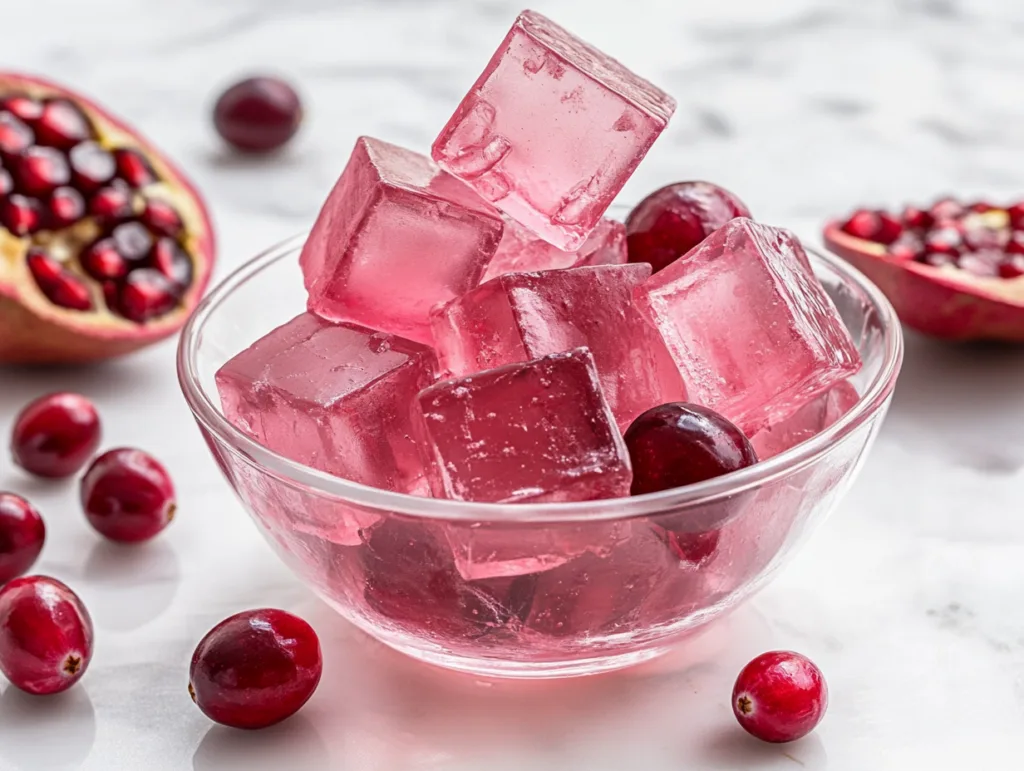
Among the most visually striking variations, the pink gelatin trick has captured significant attention online. This version combines unflavored gelatin with beet juice, cranberry juice, or pomegranate juice to create a vibrant rose-colored result that looks almost too pretty to be a weight management tool.
Beyond aesthetics, supporters claim functional benefits from these colorful additions. Beet juice contains nitrates that may support circulation and exercise performance. Cranberry juice offers antioxidants and has traditional associations with urinary tract health. Pomegranate juice delivers polyphenols that some research connects to heart health benefits.
The trade-off comes in the form of added calories and natural sugars from the juice. A version made with two tablespoons of pure cranberry juice adds roughly 10 to 15 calories and a few grams of sugar. For most people, this remains negligible, but those strictly monitoring sugar intake should factor it into their calculations.
People gravitate toward the pink version because it transforms a somewhat bland routine into something that feels more like a treat. The psychological component matters—you’re more likely to maintain habits you actually enjoy rather than those you merely tolerate.
The Honey Gelatin Version
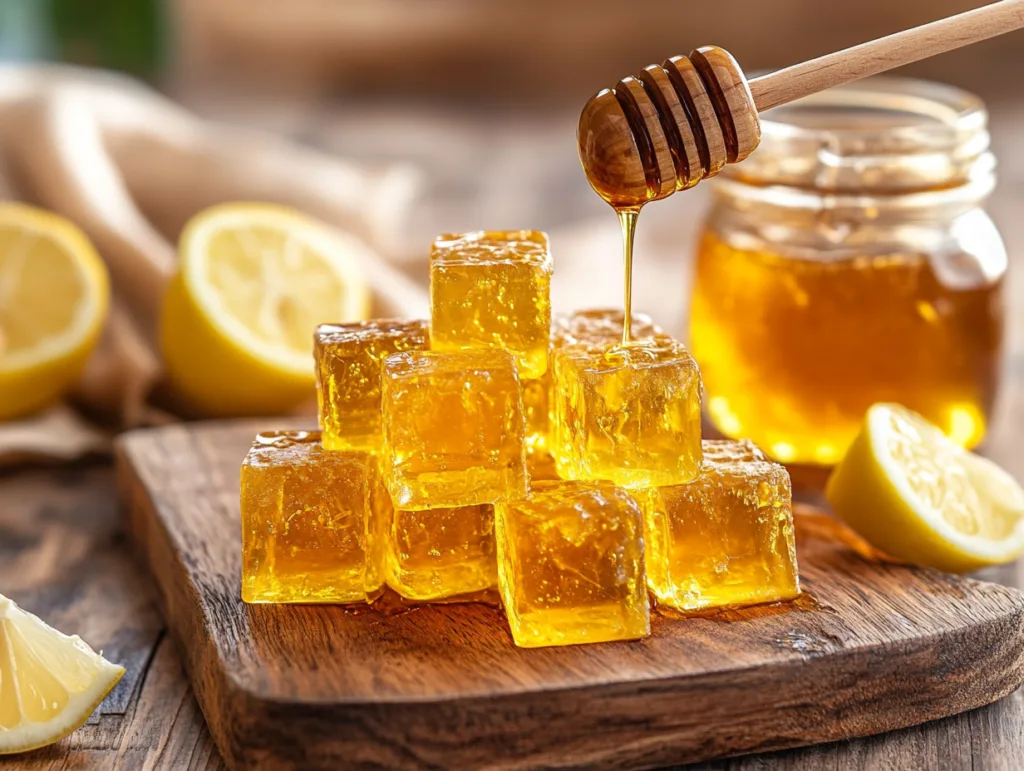
For those who find plain gelatin unpalatable, the honey variation offers a touch of natural sweetness that makes consumption considerably more pleasant. This version typically adds one teaspoon of raw honey to the basic gelatin and warm water mixture.
Honey brings its own potential benefits to the equation. Raw honey contains trace enzymes, antioxidants, and has traditional uses for soothing digestion and supporting immune function. Some people find that a small amount of honey taken before bed promotes more restful sleep, which complements reports from gelatin users who notice similar effects from the glycine content.
Some people report improved sleep quality when consuming gelatin in the evening. This may relate to glycine, an amino acid abundant in gelatin that research suggests can support better sleep in some individuals.
The caloric addition amounts to approximately 20 calories per teaspoon of honey. Combined with the gelatin base, you’re looking at roughly 50 to 60 calories total—still remarkably low for a pre-meal satiety tool but worth noting if you’re tracking intake precisely.
This variation appeals especially to people transitioning away from sugary beverages or sweet snacks. The honey gelatin trick can serve as a stepping stone, providing enough sweetness to feel satisfying while dramatically reducing overall sugar consumption compared to previous habits.
Gelatin Cubes Versus Drinking It Warm

Perhaps the most practical variation involves not what you add but how you consume the final product. The gelatin trick works equally well as a warm drinkable liquid or as chilled cubes you can pop like candy, and personal preference determines which approach sticks.
Drinking gelatin warm offers immediacy and convenience. You prepare it, consume it within minutes, and move on with your day. There’s no waiting, no refrigerator space required, and no advance planning necessary. Many people appreciate this grab-and-go simplicity, especially during busy mornings or when traveling.
Gelatin cubes require more forethought but deliver their own advantages. Preparing a batch over the weekend gives you ready-made portions for the entire week. The cubes feel more substantial than liquid, providing a satisfying chew that some people find more effective for curbing cravings. They also travel well in small containers, making them portable for office environments or meals away from home.
The cube format particularly appeals to those who dislike drinking warm, slightly viscous liquids. Chewing something tangible feels more like eating a snack, which can satisfy both physical hunger and the psychological desire to consume something before meals. Some people add their cubes to smoothies or other cold beverages for an easy protein boost.
Hot Versus Cold Consumption
Temperature preference divides gelatin trick enthusiasts into distinct camps, and both sides have valid reasoning.
Hot gelatin consumption works faster and feels soothing, almost like drinking a light broth. During colder months, the warmth itself provides comfort that can reduce stress-related snacking. The liquid passes through your system differently than solid cubes, potentially reaching your stomach and beginning the fullness signaling process more quickly.
Cold consumption, whether as set cubes or chilled liquid before it fully gels, appeals during warmer weather or for those who simply prefer cold foods. The firmer texture of chilled gelatin may slow consumption naturally, extending the eating experience and potentially enhancing satisfaction through the act of chewing.
Neither approach is superior—both deliver the same gelatin with the same potential benefits. Experiment with each version across different situations and seasons. You might find that warm gelatin suits your winter evenings while cubes work better for summer afternoons. Flexibility keeps the habit fresh and sustainable over time.
Is the Gelatin Trick Safe? Who Should Be Careful?
Before incorporating any new habit into your routine, understanding potential concerns helps you make informed decisions for your individual situation. The good news is that gelatin has been consumed safely by humans for centuries through traditional foods like bone broth, aspics, and gelatin desserts. For most healthy adults, adding a tablespoon of unflavored gelatin daily poses minimal risk.
That said, certain groups should approach the gelatin trick thoughtfully or skip it entirely.
General Safety Considerations
Unflavored gelatin is simply processed collagen protein derived from animal sources. It contains no artificial additives, stimulants, or compounds that dramatically alter body chemistry. Unlike many weight loss supplements crowding store shelves, gelatin won’t spike your heart rate, interfere with sleep, or create dependency.
However, moderation matters with any dietary addition. Consuming excessive amounts of gelatin—significantly more than the recommended one tablespoon daily—may cause digestive discomfort including bloating, constipation, or an unpleasant feeling of heaviness. Your body needs time to adjust to new foods, so starting with smaller amounts and gradually increasing makes sense for anyone with a sensitive digestive system.
Hydration becomes especially important when using gelatin regularly. Because gelatin absorbs water as part of its gelling process, inadequate fluid intake may contribute to constipation. Maintaining consistent water consumption throughout your day—perhaps incorporating refreshing options like chia seed lemonade—supports comfortable digestion alongside your gelatin habit.
Considerations for Those With Surgical History
People who have undergone bariatric surgery or other gastrointestinal procedures should exercise particular caution. While some wellness communities discuss gelatin in connection with post-surgical nutrition, the gelatin trick for appetite control serves a different purpose than medical nutrition protocols.
Surgical alterations to the digestive system change how your body processes foods and signals fullness. What works safely for someone with an unaltered digestive tract may not be appropriate—or could even cause complications—for someone with a surgically modified stomach or intestinal arrangement.
If you’ve had weight loss surgery or any significant gastrointestinal procedure, please consult your surgical team or healthcare provider before experimenting with the gelatin trick. They understand your specific anatomy and can advise whether this approach fits safely within your post-surgical guidelines.
Who Should Avoid Gelatin Entirely
Certain individuals should skip the gelatin trick regardless of its potential benefits:
Vegetarians and vegans cannot use traditional gelatin, which derives exclusively from animal sources. Plant-based alternatives like agar-agar exist but behave differently in the digestive system and may not provide the same satiety effects. If you follow a plant-based lifestyle, this particular trick simply isn’t compatible with your values.
People with allergies to beef, pork, or fish should verify the source of any gelatin product before use. Most commercial gelatin comes from beef or pork, though some brands use fish-derived alternatives. Check labels carefully if you have known sensitivities.
Those with kidney disease or on protein-restricted diets should consult their healthcare provider before adding any protein source, including gelatin, to their daily intake. Even modest amounts of additional protein may conflict with medically necessary dietary restrictions.
Pregnant or nursing women should discuss any dietary changes with their healthcare provider. While gelatin itself isn’t inherently problematic, individual circumstances vary and professional guidance ensures safety for both mother and baby.
Important Disclaimer
This article provides general wellness information for educational purposes only and does not constitute medical advice. The content is not intended to diagnose, treat, cure, or prevent any disease.
The gelatin trick is a popular wellness trend discussed widely online. While some research supports short-term appetite effects from protein consumption, individual results vary significantly.
Always consult a qualified healthcare provider before:
- Starting any new dietary regimen
- If you have existing health conditions
- If you are pregnant, nursing, or planning to become pregnant
- If you take medications that may interact with dietary changes
- If you have had bariatric or gastrointestinal surgery
The authors and publishers of this content are not responsible for any adverse effects or consequences resulting from the use of any suggestions or information contained herein.
Does Gelatin Really Help You Lose Weight? (What to Expect)
This is the question everyone really wants answered, and you deserve an honest response rather than exaggerated promises. The truth about the gelatin trick sits somewhere between overnight fix and complete waste of time—and understanding that middle ground helps you approach it with realistic expectations.
What You Might Notice in the Short Term
Most people who try the gelatin trick consistently report noticing effects within the first few days to two weeks. These early changes typically involve appetite and eating behavior rather than dramatic shifts on the scale.
You may find that meals satisfy you more quickly, leaving food on your plate without feeling deprived. The urge to snack between meals might soften, becoming easier to redirect or ignore entirely. Evening cravings that previously felt irresistible may lose some of their urgency. Portions that once seemed appropriate might start feeling like more than enough.
These subtle shifts in hunger and fullness signals represent the gelatin trick working as intended. The protein content and gentle stomach expansion create conditions where eating less feels natural rather than forced. For many people, this recalibration of appetite proves genuinely helpful.
However, short-term satiety improvements don’t automatically translate to weight loss. You can feel fuller and still maintain your current weight if overall eating patterns remain unchanged. The gelatin trick creates opportunity—what you do with that opportunity determines outcomes.
The Longer View
Research on gelatin specifically for weight loss shows mixed results. Some studies demonstrate that gelatin produces stronger short-term hunger suppression compared to other proteins. However, longer-term trials comparing gelatin-enriched diets to other high-protein approaches found no significant difference in actual weight lost over several months.
What does this tell us? Gelatin isn’t magic, but protein-supported appetite control genuinely helps. The specific source of that protein—whether gelatin, dairy, eggs, or lean meats—matters less than consistently achieving satiety through adequate protein intake overall.
People who experience meaningful weight changes while using the gelatin trick typically combine it with other supportive habits. They pair pre-meal gelatin with balanced nutrition featuring plenty of vegetables, adequate protein at each meal, and appropriate portions. They stay hydrated, move their bodies regularly, prioritize sleep, and manage stress through healthy outlets.
The gelatin trick works best as one thread woven into a larger tapestry of wellness practices rather than a standalone solution expected to carry all the weight alone.
Finding Your Place for Gelatin
Think of the gelatin trick as a supporting actor rather than the lead role in your weight management story. It won’t single-handedly transform your body, but it might make the transformation process more comfortable and sustainable.
Where gelatin shines brightest is in those vulnerable moments when appetite threatens to derail good intentions. Before a dinner where you’d typically overeat, during the mid-afternoon energy slump, or when evening snacking historically undermines your progress—these specific situations represent ideal applications for the gelatin trick.
Combining this approach with satisfying meals makes the partnership even stronger. A gelatin drink before enjoying Greek yogurt pancakes for breakfast or preceding a hearty main dish at dinner creates layered satiety that carries you comfortably to your next meal.
Weight loss ultimately requires consuming fewer calories than your body burns over extended periods. The gelatin trick can support this equation by helping you feel satisfied with less food. Whether that support translates to measurable results depends entirely on how it integrates with everything else you’re doing.
Approach this tool with curiosity rather than desperation. Give it an honest trial of several weeks while maintaining other healthy habits. Observe how your body responds. And remember that sustainable progress beats dramatic short-term results every single time.
A 2010 study published in the British Journal of Nutrition compared gelatin-enriched diets to other high-protein approaches over four months. The findings showed that while gelatin produced stronger short-term hunger suppression, long-term weight loss results were nearly identical regardless of protein source.
Frequently Asked Questions About the Gelatin Trick for Weight Loss
Finding quick answers to common questions helps you decide whether the gelatin trick deserves a place in your routine. Below you’ll find straightforward responses to the questions people ask most often about this trending approach to appetite management.
What Is the Gelatin Trick for Weight Loss?
The gelatin trick involves dissolving one tablespoon of unflavored gelatin powder in a cup of warm water and consuming it approximately 20 to 30 minutes before meals. The concept centers on gelatin’s ability to form a soft gel in your stomach, creating gentle volume that triggers early satiety signals. This pre-meal habit aims to help you feel satisfied faster, eat smaller portions naturally, and reduce the urge to snack between meals. The approach requires only basic ingredients—unflavored gelatin, hot water, and optional additions like lemon juice—making it accessible and affordable for most people.
Does Gelatin Help You Lose Weight?
Gelatin may support weight loss indirectly by helping control appetite, but it doesn’t directly burn fat or boost metabolism in significant ways. Research shows that gelatin can suppress hunger more effectively than some other proteins in the short term. However, studies comparing gelatin-enriched diets to other high-protein approaches over several months found similar weight loss results regardless of protein source. The gelatin trick works best as one component of a broader healthy lifestyle that includes balanced nutrition, regular movement, adequate hydration, and quality sleep. Think of it as a helpful tool rather than a complete solution.
When Should I Drink Gelatin?
The most effective timing depends on your personal eating patterns and goals. Most people find consuming gelatin before their largest meal of the day produces the most noticeable effects on portion control. For many, this means taking it before dinner when portions tend to grow and evening snacking temptations follow shortly after. However, if lunch represents your biggest challenge or mid-afternoon snacking derails your progress most often, adjust your timing accordingly. Some people benefit from using the gelatin trick twice daily—before both lunch and dinner—though starting with once daily allows you to gauge your body’s response before expanding the habit.
How Many Calories Does the Gelatin Trick Have?
A single serving of the basic gelatin trick contains approximately 30 to 40 calories, depending on the brand of unflavored gelatin you choose. This serving provides around 6 grams of protein with zero carbohydrates and zero fat. Adding optional ingredients increases the caloric content slightly—one teaspoon of honey adds roughly 20 calories, while a splash of fruit juice contributes 10 to 15 calories. Even with additions, the total rarely exceeds 60 calories per serving, making it remarkably efficient for a satiety tool. Compare this to other pre-meal snacks like cheese, crackers, or nuts, and the caloric savings become clear.
Can Gelatin Reduce Cravings?
Many people report experiencing reduced cravings after incorporating the gelatin trick into their daily routine. The mechanism behind this effect relates to how protein influences hunger hormones and how stomach volume triggers satiety signals in your brain. When your body registers adequate protein intake and your stomach feels appropriately occupied, the background noise of constant hunger and craving tends to quiet down. This proves especially helpful during vulnerable windows like the mid-afternoon slump or late evening hours when snacking urges typically peak. Pairing the gelatin trick with balanced meals containing protein, fiber, and healthy fats—like options in our breakfast recipes—strengthens this craving-reduction effect throughout your entire day.
How Long Before Meals Should I Take Gelatin?
The optimal window falls between 20 and 30 minutes before eating. This timing allows the gelatin to reach your stomach, begin forming its soft gel matrix, and start sending preliminary fullness signals to your brain before your meal begins. Consuming it only five minutes beforehand doesn’t provide sufficient lead time for these processes to initiate. Taking it more than 45 minutes to an hour early risks the satiety effect beginning to fade before you actually sit down to eat. Consistency with timing matters more than perfection—find a window that fits naturally into your pre-meal routine and stick with it. Setting a phone reminder can help establish the habit until it becomes automatic.
Is the Gelatin Trick the Same as Eating Jell-O?
No, the gelatin trick differs significantly from eating commercial Jell-O or similar flavored gelatin desserts. Jell-O products contain added sugars, artificial sweeteners, colors, and flavorings that contribute extra calories without additional satiety benefits. A single serving of prepared Jell-O contains roughly 80 to 100 calories compared to the 30 to 40 calories in plain unflavored gelatin. The gelatin trick specifically uses unflavored gelatin powder—products where gelatin appears as the only ingredient on the label. Brands like Knox, Great Lakes, and Vital Proteins offer unflavored options suitable for this purpose.
Can I Use the Gelatin Trick if I’m Vegetarian?
Traditional gelatin derives from animal collagen, making it unsuitable for vegetarian or vegan diets. Plant-based alternatives like agar-agar exist and can create similar gel textures in recipes, but they behave differently in the digestive system. Agar-agar is a carbohydrate-based fiber rather than a protein, which means it won’t provide the same protein-related satiety signals that make gelatin effective for appetite control. If you follow a plant-based lifestyle, the gelatin trick as commonly described isn’t compatible with your dietary values. You might explore other protein-forward satiety strategies better aligned with vegetarian eating patterns instead.
How Long Does It Take to See Results?
Most people notice changes in appetite and eating behavior within the first one to two weeks of consistent use. These early effects typically manifest as feeling satisfied sooner during meals, experiencing less intense hunger between meals, and finding it easier to decline unnecessary snacks. Actual weight changes, if they occur, develop more gradually over weeks to months as reduced caloric intake accumulates. Expecting dramatic overnight transformation leads to disappointment—approach the gelatin trick as a long-term supportive habit rather than a quick fix. Give yourself at least three to four weeks of consistent daily use before evaluating whether the approach works for your body and lifestyle.
How to Track Your Results and Stay Consistent
Starting a new habit is easy. Maintaining it long enough to evaluate whether it actually works requires intentional effort. Simple tracking practices help you stay consistent with the gelatin trick while gathering meaningful information about how your body responds.
Simple Ways to Monitor Progress
You don’t need complicated spreadsheets or expensive apps to track your experience with the gelatin trick. A basic notebook or phone notes app works perfectly for recording daily observations.
Consider noting three things each day: whether you took the gelatin, how hungry you felt before meals, and how satisfied you felt afterward. Rating hunger and fullness on a simple one-to-ten scale provides useful data without demanding excessive time or attention. After two to three weeks, patterns emerge that reveal whether the approach is influencing your appetite.
Weekly weigh-ins offer another data point, though daily fluctuations in water weight can mislead. Weighing yourself once weekly at the same time—ideally morning before eating—provides more reliable trend information than obsessing over daily numbers.
Photographs and how clothing fits sometimes tell a clearer story than scales alone. Bodies change in ways that numbers don’t always capture.
Signs the Gelatin Trick Is Working
Look for subtle shifts rather than dramatic transformations. Positive indicators include feeling comfortable stopping meals sooner than previously, experiencing less urgency around snacking, finding it easier to pass on seconds, and noticing reduced late-night kitchen visits.
You might also observe that the mental energy previously spent resisting food temptations decreases. When appetite management feels less like constant battle and more like natural flow, something meaningful has shifted.
Pairing these observations with satisfying meals—like comforting options from our desserts collection enjoyed in appropriate portions—reinforces the sense that healthy eating can feel genuinely sustainable.
When to Adjust or Move On
If three to four weeks of consistent use produces no noticeable changes in appetite or eating behavior, the gelatin trick may simply not suit your particular biology. Bodies differ, and approaches that help some people tremendously do nothing for others.
Digestive discomfort, persistent bloating, or any negative symptoms warrant stopping immediately. No potential benefit justifies ongoing physical discomfort.
Finally, if the routine feels burdensome rather than helpful, release it without guilt. The best wellness habits are those you’ll actually maintain—forcing yourself through something you dread rarely produces lasting results.
Final Thoughts: Using the Gelatin Trick the Smart Way
The gelatin trick has earned its viral popularity for good reasons. It offers a remarkably simple, affordable, and accessible approach to appetite management that doesn’t require expensive supplements, restrictive diets, or dramatic lifestyle overhauls. For many people, this humble kitchen ingredient provides genuine support in the ongoing challenge of eating appropriate portions and reducing unnecessary snacking.
The core benefits remain straightforward. Gelatin delivers protein-based satiety signals with minimal calories. Its gentle expansion in your stomach creates early fullness cues that help you feel satisfied sooner during meals. The habit takes seconds to prepare, costs almost nothing, and fits seamlessly into busy lives. When used consistently before meals, it may help bridge the gap between your healthy intentions and your actual eating behavior.
Yet realistic expectations matter enormously. The gelatin trick won’t melt fat while you sleep, override poor food choices, or replace the fundamentals of balanced nutrition and regular movement. Research supports short-term appetite suppression but shows no magical advantage over other protein sources for long-term weight management. This approach works best as one supportive element within a broader commitment to your health, not as a standalone quick fix..
Sustainable habits always outperform quick fixes. The people who report lasting success with the gelatin trick combine it with nourishing meals, adequate hydration, quality sleep, stress management, and consistent physical activity. They approach it with curiosity rather than desperation, adjusting their routine based on how their individual body responds rather than rigidly following trends.
Your weight management journey deserves tools that make the process feel more achievable rather than more burdensome. If the gelatin trick accomplishes that for you, wonderful. If it doesn’t suit your body or lifestyle, plenty of other supportive strategies exist.
Whatever path you choose, filling your plate with satisfying, wholesome foods makes everything easier. Explore our breakfast recipes for energizing morning meals, discover comforting main dishes that support your goals, or find refreshing drinks that make hydration enjoyable. Real food, prepared with care, remains the foundation of any successful approach to feeling your best.
Here’s to eating well, feeling satisfied, and building habits that last.
Sources & Scientific References
This article is based on peer-reviewed research and information from recognized health authorities. Below are the studies and sources referenced throughout this content:
- Veldhorst MA, Nieuwenhuizen AG, Hochstenbach-Waelen A, et al. “No long-term weight maintenance effects of gelatin in a supra-sustained protein diet.” British Journal of Nutrition. 2010;104(6):859-866.
→ https://pubmed.ncbi.nlm.nih.gov/20457173/ - Paddon-Jones D, Westman E, Mattes RD, et al. “Protein, weight management, and satiety.” American Journal of Clinical Nutrition. 2008;87(5):1558S-1561S.
→ https://pubmed.ncbi.nlm.nih.gov/18469287/ - Bannai M, Kawai N. “New therapeutic strategy for amino acid medicine: glycine improves the quality of sleep.” Journal of Pharmacological Sciences. 2012;118(2):145-148.
→ https://pubmed.ncbi.nlm.nih.gov/22293292/ - Leidy HJ, Clifton PM, Astrup A, et al. “The role of protein in weight loss and maintenance.” American Journal of Clinical Nutrition. 2015;101(6):1320S-1329S.
→ https://pubmed.ncbi.nlm.nih.gov/25926512/ - Westerterp-Plantenga MS, Lemmens SG, Westerterp KR. “Dietary protein – its role in satiety, energetics, weight loss and health.” British Journal of Nutrition. 2012;108(S2):S105-S112.
→ https://pubmed.ncbi.nlm.nih.gov/23107521/ - Harvard T.H. Chan School of Public Health. “Protein.” The Nutrition Source.
→ https://www.hsph.harvard.edu/nutritionsource/what-should-you-eat/protein/ - National Institutes of Health. “Dietary Supplements for Weight Loss.” Office of Dietary Supplements.
→ https://ods.od.nih.gov/factsheets/WeightLoss-HealthProfessional/
Love discovering nourishing and simple recipes? Follow Vivalyze on Facebook for daily kitchen inspiration and practical wellness tips.
Curious about feel-good, health-boosting recipes and drinks? Check out Vivalyze on Pinterest for a curated collection of delicious ideas.