
Cottage cheese dessert is a creamy, protein-rich treat made by blending cottage cheese with sweet, nutritious ingredients to create a healthy alternative to traditional sweets. It’s an easy, low-calorie option that fits into high protein diets, fat loss plans, and macro-conscious lifestyles.
This type of dessert can be made in minutes using simple ingredients and a blender. It’s ideal for anyone seeking a sugar free dessert, a no bake protein dessert, or a high protein pudding that satisfies sweet cravings without sabotaging nutritional goals. Whether you prefer a chocolate cottage cheese mousse or a tangy greek yogurt and cottage cheese combo, these recipes offer a smooth, indulgent texture that doesn’t taste “cheesy.”
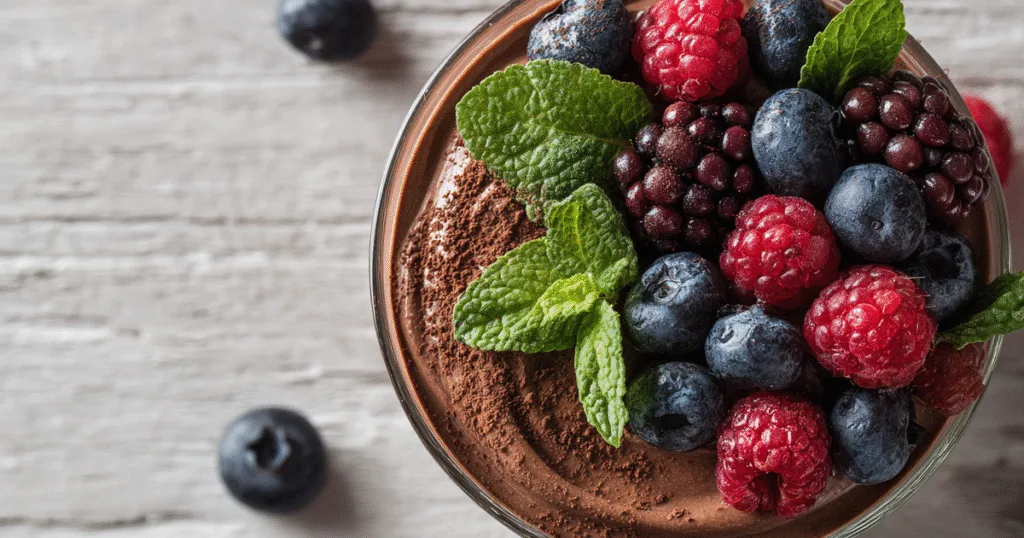
How to Make It:
Blend cottage cheese with unsweetened cocoa powder, natural sweetener, and a splash of vanilla until smooth. Chill briefly and serve with your favorite toppings. This quick and healthy sweet snack is ready in 5 minutes and perfect for 4 to 6 servings.
In This Recipe
How to Make Cottage Cheese Dessert At Home
If you’ve never tried transforming cottage cheese into a dessert, you’re in for a surprise. What might seem like a humble, savory staple can become a silky, indulgent treat that checks every box for a high protein dessert lover. The magic happens when you blend it into a creamy base and pair it with the right ingredients. no oven, no fancy equipment, and absolutely no guilt.
Whether you’re aiming for a low calorie cottage cheese dessert or a macro friendly dessert to balance your meals, this is one of the easiest recipes to keep in your back pocket. All you need is a blender, a few pantry staples, and five minutes. That’s right, it’s a 5 minute dessert that tastes like it took all afternoon.
What makes this especially appealing is how it adapts to different dietary goals. Looking for a sugar free dessert? You got it. Need a fat loss dessert that doesn’t compromise on texture? This hits the mark. Prefer your sweets with a little chocolate flair? A chocolate cottage cheese mousse version is on the menu too.
Before we dive into the actual recipe, keep in mind that texture and taste are all about technique and smart combinations. In the next section, you’ll get a full, step-by-step guide for making a blender cottage cheese dessert that’s as satisfying as it is good for you.
PrintHealthy Cottage Cheese Mousse: Low Calorie, No Sugar, All Flavor
A creamy, high‑protein and low‐calorie cottage cheese dessert that transforms plain cottage cheese into a decadent treat. This blender cottage cheese dessert is ready in just 5 minutes and fits perfectly into a macro friendly dessert, sugar free dessert, or fat loss dessert plan. With a rich chocolate twist it becomes a chocolate cottage cheese mousse or cocoa protein dessert that doubles as a healthy sweet snack or high protein pudding.
- Prep Time: 5 minutes
- Cook Time: 0 minutes
- Total Time: 35 minutes
- Yield: 4‑6 servings
- Category: Dessert
- Method: Blender
- Cuisine: American (with global inspiration)
- Diet: Low Calorie
Ingredients
‑ 2 cups (≈ 450 g) low‑fat cottage cheese
‑ ¼ cup (≈ 25 g) unsweetened cocoa powder
‑ 2 tablespoons (≈ 30 ml) natural sweetener (e.g., monk fruit syrup or maple syrup for non‑strict sugar free)
‑ 1 teaspoon vanilla extract
‑ ¼ cup (≈ 60 ml) unsweetened almond milk (optional for thinner texture)
‑ Pinch of salt
‑ For garnish (optional): fresh berries, chopped nuts, unsweetened whipped topping
Instructions
- Place the cottage cheese, cocoa powder, sweetener, vanilla extract, almond milk (if using) and salt into a high‑speed blender.
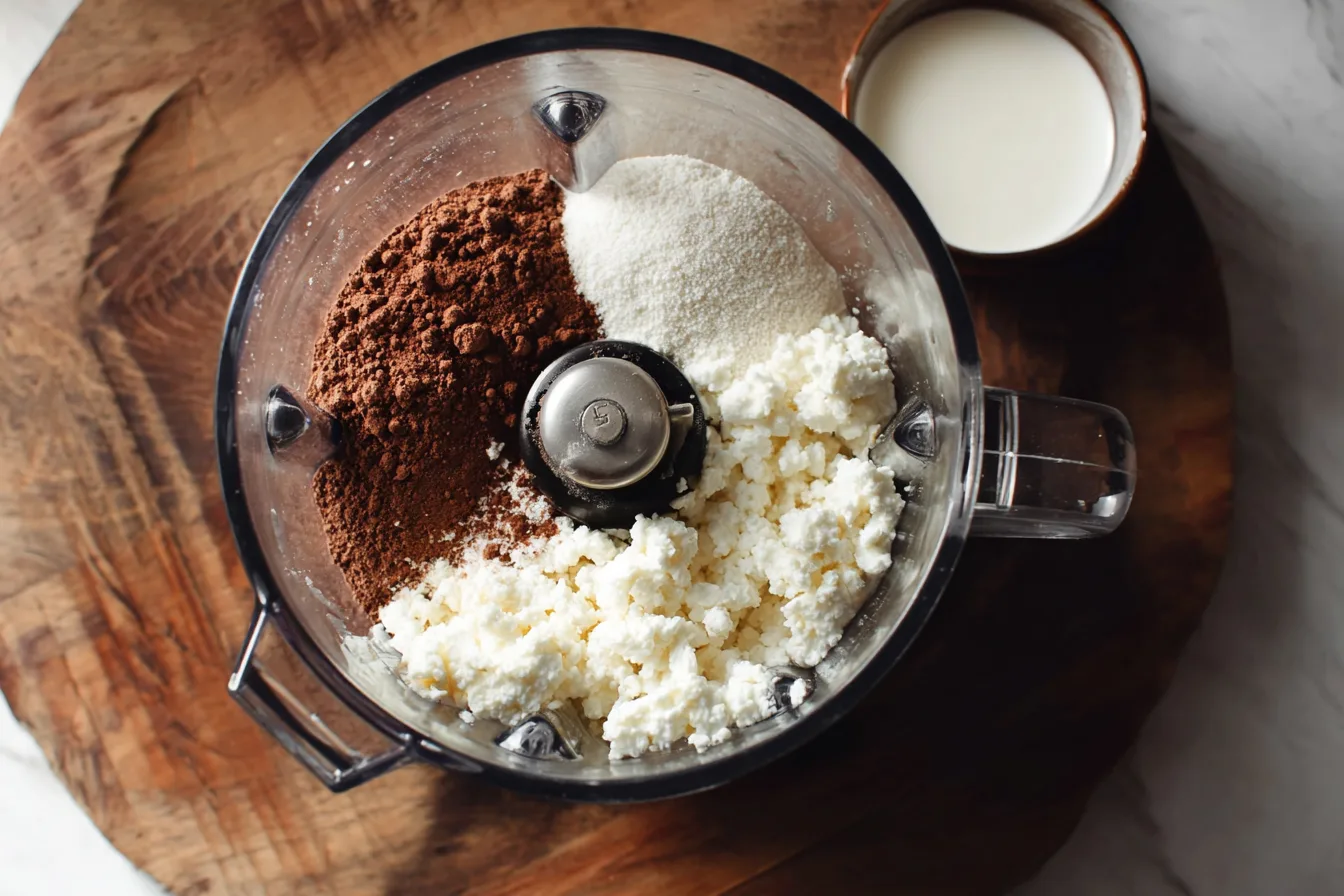
- Blend on high for 1–2 minutes, stop and scrape down the sides, then blend another minute until the mixture is completely smooth and creamy.
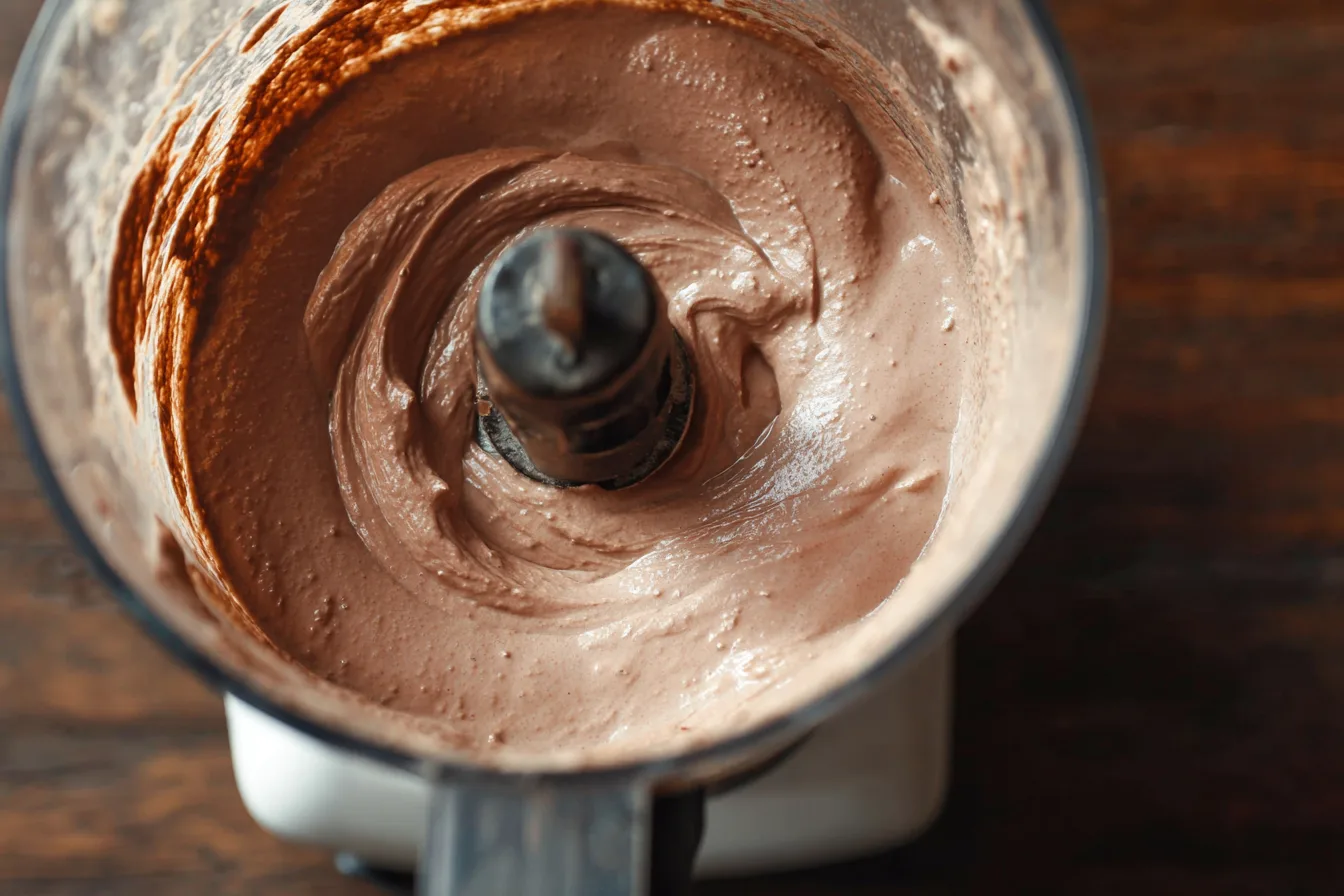
- Divide the mixture evenly into 4 to 6 serving bowls.
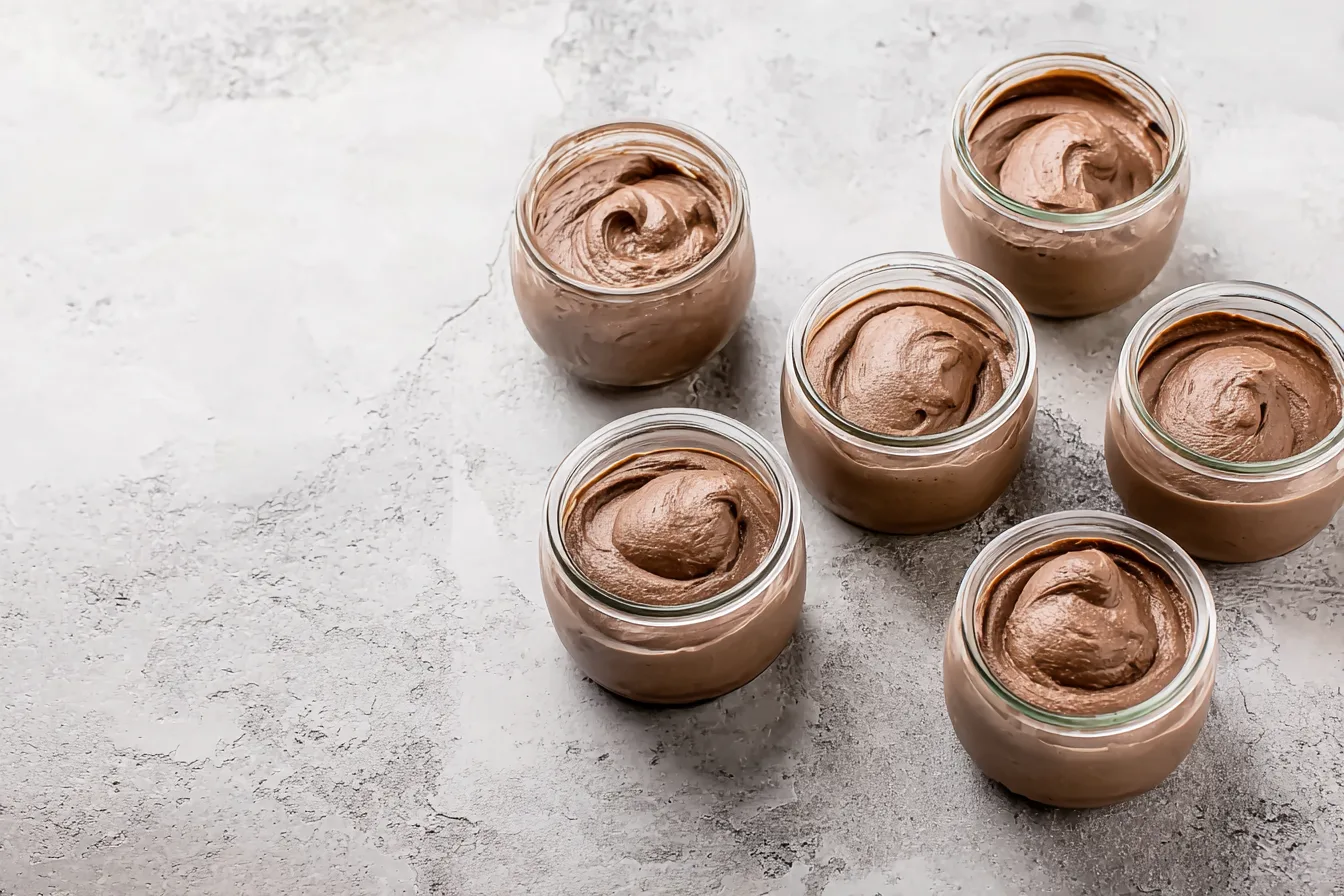
Chill in the refrigerator for at least 30 minutes to set and let the flavours meld.
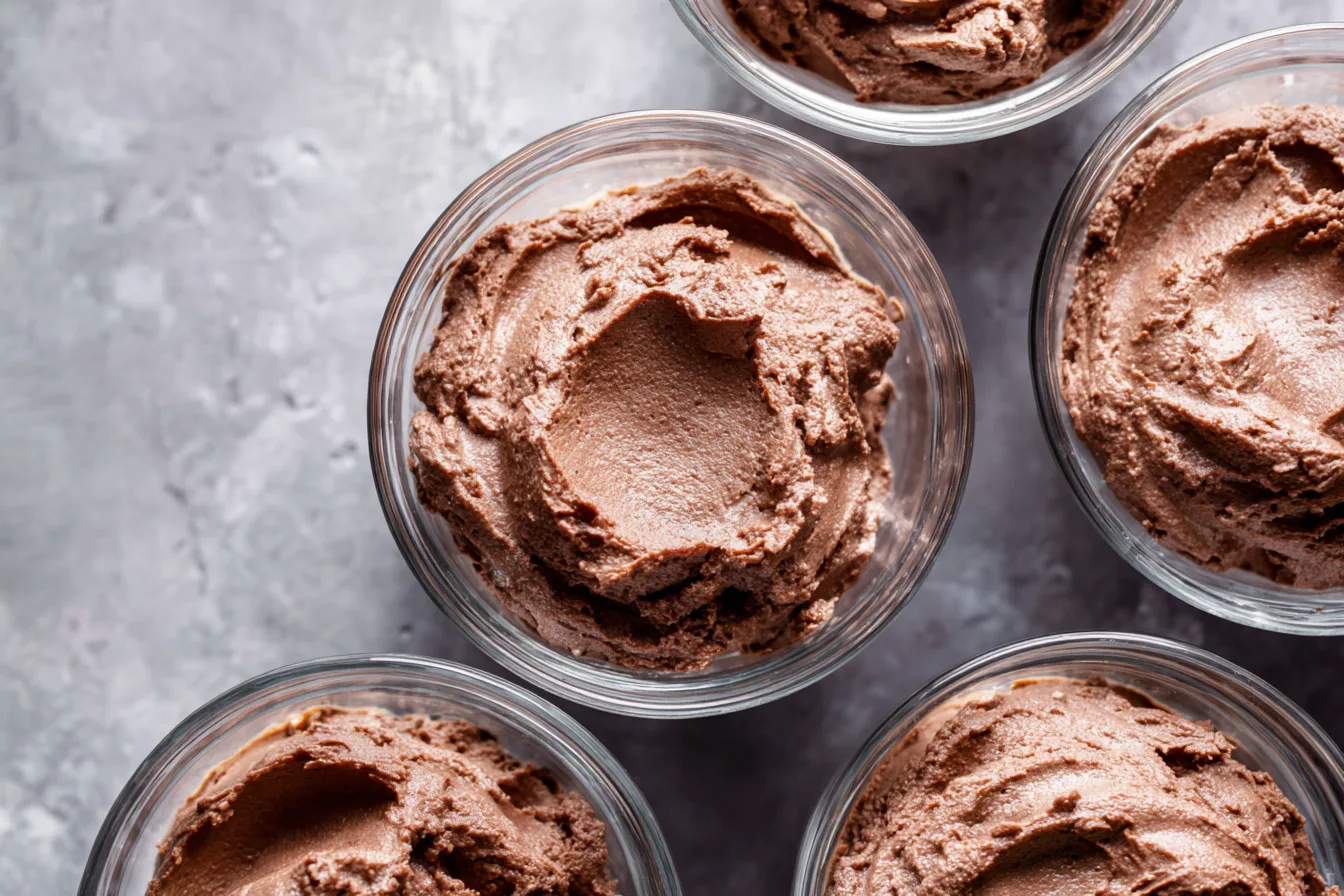
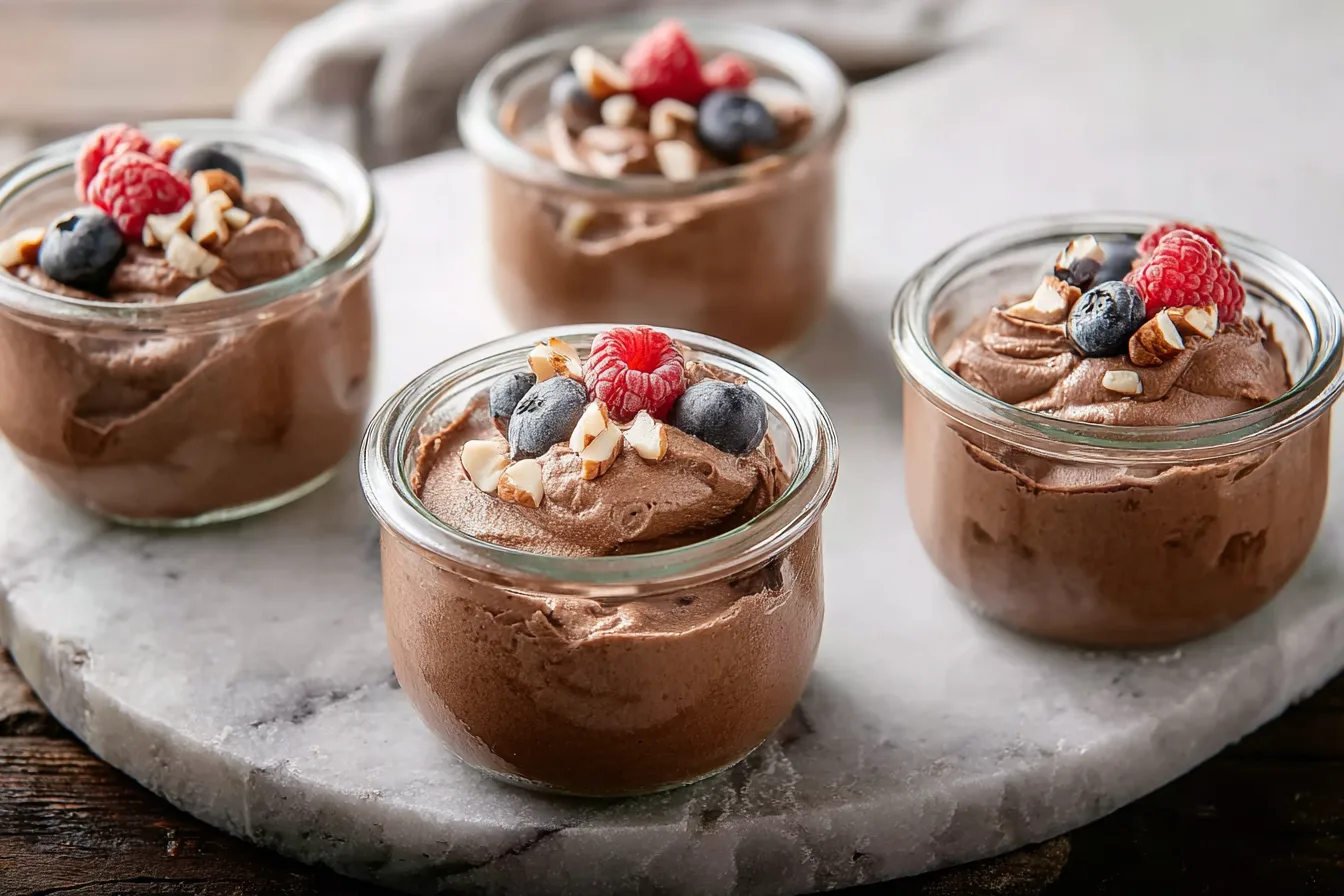
Serve cold with optional fresh berries or chopped nuts on top. Enjoy immediately or keep chilled until serving.
Notes
‑ For a sugar free dessert version, substitute the sweetener with a monk fruit or stevia‑based syrup.
‑ If you prefer an even smoother texture, use full‑fat cottage cheese or let the blended mixture sit 5 minutes then re‑blend briefly.
‑ This dessert is naturally a no bake protein dessert. no oven required.
‑ To turn the dessert into a healthy sweet snack to-go, divide into small jars and refrigerate.
‑ Store leftovers in an airtight container in the fridge for up to 3 days.
Nutrition
- Serving Size: 1 bowl (assuming yield = 4)
- Calories: 180 kcal
- Sugar: 4 g
- Sodium: 230 mg
- Fat: 7 g
- Saturated Fat: 3 g
- Unsaturated Fat: 4 g
- Trans Fat: 0 g
- Carbohydrates: 12 g
- Fiber: 2 g
- Protein: 20 g
- Cholesterol: 15 mg
Why Choose a Cottage Cheese Dessert for Your Diet?
When you’re looking to satisfy your sweet tooth without compromising your health goals, a cottage cheese dessert is one of the smartest swaps you can make. It brings together everything we want in a treat, creaminess, flavor, convenience with the added bonus of nutrition. Whether your aim is muscle gain, fat loss, or just enjoying a guilt-free indulgence, this dessert works overtime to support your lifestyle.
One of the standout benefits of using cottage cheese is its exceptional protein content. That makes it a powerful base for a high protein dessert that leaves you feeling full and satisfied. In fact, this dessert delivers the same indulgence as a pudding or mousse, but with nutrients that work hard for you. If you’re tracking your intake, it’s easy to see how it becomes a macro friendly dessert that fits right into meal planning without blowing your numbers.
Beyond the protein, cottage cheese is naturally lower in calories than heavy cream, mascarpone, or full-fat yogurts. That makes it ideal for crafting a low calorie cottage cheese dessert that doesn’t feel like you’re cutting corners. It’s rich, velvety, and satisfying. all without added sugars or excessive fats. For those managing weight or in a fat loss dessert phase, it’s a welcome option that actually supports progress.
And let’s talk convenience. This dessert isn’t something that needs hours in the oven or a long list of ingredients. It’s a 5 minute dessert when you use a blender cottage cheese dessert method. That’s part of what makes it such a great healthy sweet snack. something you can make quickly, store easily, and grab when cravings strike.
What’s more, it’s incredibly customizable. Whether you lean toward a chocolate cottage cheese mousse, a cocoa protein dessert, or even blend it with a bit of greek yogurt and cottage cheese for extra tang and texture, the options are endless. You can make it a no bake protein dessert that feels indulgent, but actually supports your health.
In short, this is one dessert that checks every box. Next, we’ll explore the simple ingredients and tools you’ll need to make your own in minutes.
Key Ingredients & Kitchen Tools for a Blender Cottage Cheese Dessert
Making a cottage cheese dessert doesn’t require a stocked pantry or fancy gadgets. In fact, this recipe shines because of its simplicity. With just a handful of ingredients and one reliable tool, a blender and you’re on your way to a creamy, satisfying sweet that’s as functional as it is delicious.
Choosing the Right Cottage Cheese
Your base ingredient matters. For the smoothest texture, opt for small-curd, low-fat cottage cheese. Large-curd varieties can leave small lumps, even after blending, which may disrupt the silky texture that makes this dessert so appealing. If you’re chasing the ultimate creamy protein dessert, start with the freshest, smoothest cottage cheese you can find. Whole milk versions will give you a richer flavor and mouthfeel, but low-fat options strike a better balance for a low calorie cottage cheese dessert or fat loss dessert.
For an ultra-smooth finish, drain excess liquid from the container or even press the curds through a fine mesh sieve before blending. This step helps answer the common question: How to make cottage cheese dessert smooth?
Sweeteners, Cocoa, and Flavor Enhancers
To transform your cottage cheese into a dessert, you need the right flavor elements. Cocoa powder is the backbone of any chocolate cottage cheese mousse or cocoa protein dessert. Choose unsweetened, dark cocoa for depth or Dutch-processed for richness. This gives your dessert that velvety, chocolatey bite that feels indulgent without the added sugar.
For sweeteners, there’s a wide range of options depending on your dietary goals. Natural choices like honey or maple syrup bring warmth and body, while zero-calorie alternatives like stevia, erythritol, or monk fruit make this a truly sugar free dessert. Add a splash of vanilla extract or a pinch of sea salt to round out the flavor.
For extra protein and creaminess, consider blending in a small amount of greek yogurt and cottage cheese together. This combination enhances the mouthfeel and protein density, making the final dish more like a high protein pudding.
Equipment: Your Blender is Your Best Friend
The real magic happens in your blender. A high-speed blender or food processor is key to turning curds into a silky smooth mousse. Even a good immersion blender can work in a pinch. The process takes just a couple of minutes, making this the ultimate 5 minute dessert.
Cleanup is just as easy, no whisks, double boilers, or baking trays to deal with. That’s part of what makes this a true no bake protein dessert and an ideal healthy sweet snack solution for busy days.
Next, we’ll walk you through the full step-by-step method for making your own cottage cheese dessert that blends like a dream and tastes like a cheat.
Taste & Texture: Does Cottage Cheese Dessert Taste Cheesy?
If you’re hesitant to try cottage cheese dessert because you’re picturing a bowl of curds with cocoa powder, rest easy. When blended properly, cottage cheese transforms into something far removed from its savory roots. The result is a creamy, smooth, and subtly tangy base that doesn’t taste “cheesy” at all.
Flavor Profile: Sweet vs Cheesy
The main flavor of this dessert comes from what you add to the cottage cheese. Cocoa powder, vanilla extract, and sweeteners completely override any of the mild dairy tang. In fact, many people compare the taste to a chocolate pudding or mousse, especially when chilled. It’s a clever way to enjoy a chocolate cottage cheese mousse that feels indulgent but stays well within your macros. So, to answer the popular question. no, it doesn’t taste like cheese. It tastes like dessert.
Texture Tweaks for Ultra-Smooth Results
Texture is where this dessert really shines, if blended correctly. The key is to blend long enough to fully break down the curds. Using a high-speed blender helps ensure you get that creamy protein dessert consistency with no lumps. If you’re extra sensitive to texture, press the cottage cheese through a sieve before blending. This small step goes a long way in creating a blender cottage cheese dessert that feels more like a mousse or pudding.
Pro tip: chill the dessert for at least 30 minutes after blending. This helps the texture set and improves both flavor and mouthfeel, making it even more satisfying as a healthy sweet snack.
How It Compares to Traditional Desserts
Think of this dessert as a lighter cousin to traditional chocolate mousse or pudding. It’s less dense than cheesecake, more airy than Greek yogurt, and far more protein-packed than custard. If you’ve ever had a high protein pudding, this hits the same spot, only with simpler ingredients, fewer calories, and zero cooking time. It’s not just a swap for a high-calorie treat. It’s a genuine upgrade if you’re after a low calorie cottage cheese dessert with all the joy and none of the guilt.
Next up, we’ll break down the nutrition facts and why this dessert fits so well into a weight-loss or muscle-building routine.
Nutritional Breakdown & Weight Loss-Friendly Facts
Cottage cheese desserts aren’t just a convenient treat, they’re a strategic one. If you’re tracking macros, counting calories, or aiming to fuel your fitness goals, this creamy dessert hits all the right nutritional notes.
Calories, Macros & How Many Calories Are in a Cottage Cheese Dessert?
A single serving of this cottage cheese dessert (based on 4 servings per batch) contains approximately:
- Calories: ~180 kcal
- Protein: ~20 g
- Fat: ~7 g
- Carbohydrates: ~12 g
- Sugar: ~4 g
- Fiber: ~2 g
That’s a serious nutritional punch for a treat that tastes like mousse. The high protein count makes it ideal as a high protein dessert or high protein pudding, while the relatively low sugar and calorie count support its role as a low calorie cottage cheese dessert.
This balance also helps stabilize blood sugar, curb cravings, and support muscle repair, all while satisfying your sweet tooth.
Why Bodybuilders Eat Cottage Cheese Before Bed and What That Means for Your Dessert
Cottage cheese is rich in casein protein, which digests slowly and releases amino acids steadily over time. That’s why it’s often recommended for athletes and bodybuilders before bed, it fuels muscle recovery overnight.
When you use cottage cheese in a fat loss dessert or macro friendly dessert, you’re tapping into that same benefit. This makes your dessert not just a treat, but a recovery tool, especially useful after evening workouts or as a nighttime snack.
Sugar-Free Dessert Label and Macro Friendly Positioning
When made with natural zero-calorie sweeteners like stevia or monk fruit, this dessert qualifies as a sugar free dessert. No added sugars mean no blood sugar spikes, just clean, slow-burning fuel. Combined with unsweetened cocoa and a pinch of salt, you’re creating a cocoa protein dessert that feels rich and indulgent without the crash.
It’s no surprise that this dessert fits beautifully into high-protein, low-sugar, and weight-conscious eating plans. Whether you’re focused on cutting, bulking, or maintaining, it offers both satisfaction and performance.
Next, we’ll answer some of the most commonly asked questions about cottage cheese desserts to clear up any last-minute concerns.
Frequently Asked Questions About Cottage Cheese Dessert
How to make cottage cheese dessert smooth?
To make a smooth cottage cheese dessert, use a high-speed blender and blend for at least 1–2 minutes. Stop to scrape down the sides, then blend again. For an extra creamy texture, use small-curd cottage cheese and drain off excess liquid before blending. You can also press the cottage cheese through a fine mesh strainer beforehand to eliminate any remaining curds.
Does cottage cheese dessert taste cheesy?
No, not when blended with sweet ingredients like cocoa powder, vanilla, and natural sweeteners. The blending process removes the curd texture, and the added flavors mask any tangy notes. The final taste is closer to chocolate mousse or pudding, especially when chilled a true creamy protein dessert.
Can I make it without protein powder?
Absolutely. This recipe doesn’t require any added protein powder. Cottage cheese is naturally high in protein, offering about 20 grams per serving. It’s a high protein dessert all on its own, making it perfect for those avoiding supplements or additives.
Is cottage cheese dessert good for weight loss?
Yes, it’s excellent for weight loss. Cottage cheese is low in calories, high in protein, and promotes satiety. When made with no added sugar and healthy toppings, this becomes a fat loss dessert that supports your goals while keeping cravings in check.
How many calories are in a cottage cheese dessert?
Each serving of this cottage cheese dessert contains around 180 calories, depending on the ingredients used. By using low-fat cottage cheese and sugar-free sweeteners, you keep it in the low calorie cottage cheese dessert range without sacrificing taste.
Why do bodybuilders eat cottage cheese before bed?
Bodybuilders favor cottage cheese before bed because it’s rich in casein a slow-digesting protein that feeds muscles overnight. Incorporating it into a macro friendly dessert provides all the benefits of casein, plus the satisfaction of a post-dinner treat.
Can cottage cheese be eaten sweet?
Definitely. Cottage cheese is incredibly versatile and takes on sweet flavors beautifully when blended. From chocolate cottage cheese mousse to fruit-layered puddings, it can be used in a variety of no bake protein desserts that are both sweet and satisfying.
Tips, Variations & Internal Links to Explore Further
Tips for flavor and texture upgrades
- To elevate your dessert even further, layer the final portion with fresh berries or chopped nuts for added crunch. That turns your “blender cottage cheese dessert” into a textured “healthy sweet snack” with visual appeal.
- Want to freeze it? Pour the blended mixture into popsicle molds or small containers, freeze for 1–2 hours and you’ll have a semi‑frozen high protein pudding treat, perfect for warm days.
- Use full‑fat cottage cheese for extra richness if your goal is more indulgence rather than strict fat‑loss. This small tweak converts a “low calorie cottage cheese dessert” into a richer variation with minimal extra effort.
- If smoothness is your top priority, let the blended mixture rest for 5 minutes and then re‑blend. This helps further break down curds and ensures you get a “creamy protein dessert” texture.
Adaptations: dairy‑free, vegan or alternative sweeteners
Although the base of this recipe is cottage cheese, if you’re catering to dairy‑free or vegan guests you could mimic the texture using silken tofu or cashew cream combined with a plant‑based yogurt, though these won’t strictly qualify as a “cottage cheese dessert”. For the sweeteners, stick to monk fruit, stevia or erythritol to maintain a true “sugar free dessert” profile. You could also swap in unsweetened cocoa to keep your “cocoa protein dessert” variation intact.
Serve, store and freeze instructions
When you’re ready to serve, spoon the dessert into chilled bowls and garnish just before eating for best texture. Any leftovers can be stored in an airtight container in the refrigerator for up to 3 days, perfect for prepping a few quick “5 minute dessert” servings ahead of time. If freezing, allow the dessert to partially thaw for 10–15 minutes before serving for a creamy, slightly firm texture.
A Smart, Satisfying Sweet for Any Lifestyle
If you’ve been searching for a dessert that fits into your health goals without sacrificing flavor or texture, this cottage cheese dessert might just be your new favorite. It’s quick to make, easy to customize, and packed with protein to keep you full and fueled. Whether you enjoy it as a 5 minute dessert after dinner or a healthy sweet snack between meals, it delivers creamy satisfaction every time.
With its rich chocolate taste and silky mousse texture, it’s hard to believe this is a low calorie cottage cheese dessert that supports both fat loss dessert goals and muscle recovery. Best of all, it’s a no bake protein dessert you can prep ahead for the week.
So blend it up, chill it down, and enjoy a guilt-free indulgence that works as hard as you do.
If you love healthy and simple recipes, follow VivaLyze on Facebook to find daily wellness ideas and natural remedies. Discover beautifully curated health-boosting drinks on VivaLyze on Pinterest and discover your new feel-good solution!