
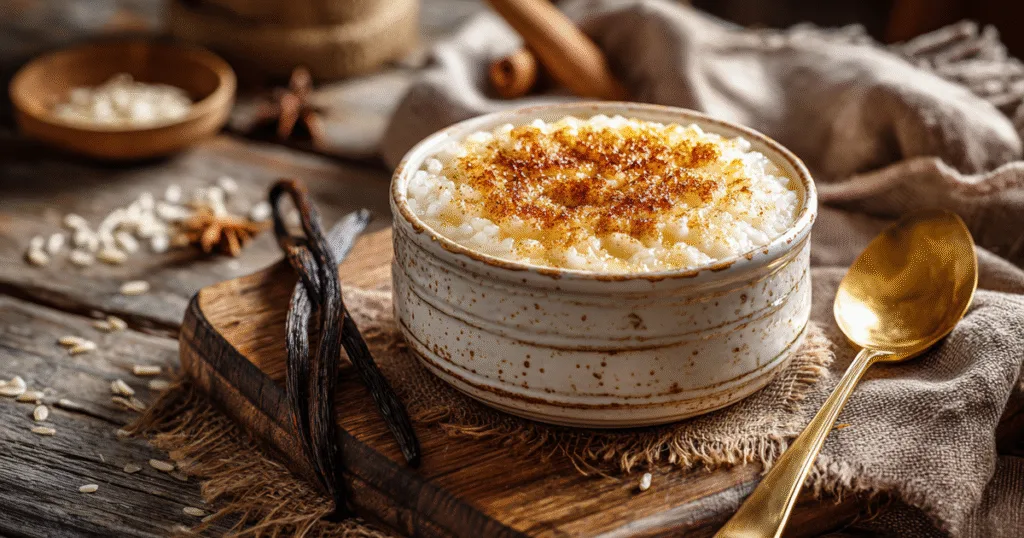
Baked rice pudding is a creamy, custard-style dessert made by baking rice with milk, eggs, and warm spices until gently set. Unlike stovetop methods, oven baked rice pudding develops a rich, velvety texture and a golden top layer. It’s often infused with vanilla for that comforting flavor and can be adapted into variations like old fashioned rice pudding, evaporated milk rice pudding, or even cinnamon rice pudding.
Whether you’re craving a classic egg custard rice pudding or a lighter no egg rice pudding, this dish is perfect for transforming pantry staples into a nostalgic treat. You can even make it using leftover rice or explore the baked rice custard style for a firmer finish. Curious about the stovetop vs baked rice pudding debate? We’ll help you choose the best version for your needs.
How to Make It: Combine cooked rice, milk (or evaporated milk), sugar, eggs, vanilla, and cinnamon. Pour into a baking dish and bake in a water bath until custard is set. Serve warm or chilled, with a dusting of cinnamon or a drizzle of cream.
In This Recipe
In This Recipe
How to Make Baked Rice Pudding At Home
If you’ve never made baked rice pudding before, you’re in for a deeply comforting experience. This dish isn’t just a dessert, it’s a tradition passed down in kitchens across generations. Its creamy, custardy nature makes it perfect for cozy evenings, family gatherings, or anytime you want to turn simple ingredients into something warm and satisfying.
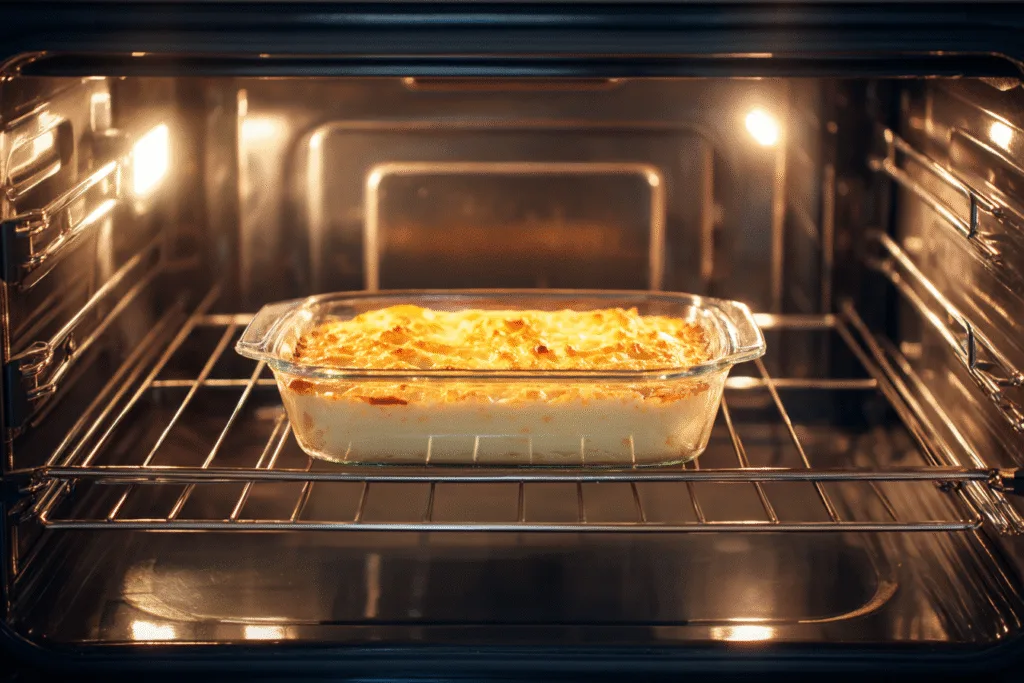
At home, oven baked rice pudding brings a distinct richness you won’t get from the stovetop method. By gently baking a mixture of milk, eggs, and rice in the oven, it transforms into something silky with a subtle caramelized top. You’ll taste the smooth vanilla undertones, the hint of cinnamon warmth, and enjoy the satisfying texture that only baking can achieve.
Before diving into the full recipe below, we’ll walk you through every element that makes this vanilla rice pudding bake unforgettable, from the type of rice you use, to egg custard versus no egg rice pudding, to tips on using evaporated milk, and even how to make it from leftover rice. Once you see how easy and versatile it is, you’ll want to make baked rice pudding a staple in your dessert lineup.
PrintBaked Rice Pudding – The Best Comfort Dessert for Your Kitchen
This old‑fashioned baked rice pudding offers a creamy and softly custardy texture, gently infused with vanilla and cinnamon. Whether you use a classic egg custard rice pudding method or prefer a no egg rice pudding version, this oven‑baked dessert brings a delicious twist to the traditional stovetop vs baked rice pudding debate. With simple pantry ingredients and a comforting finish, it’s the perfect vanilla rice pudding bake for cozy evenings or gathering warm memories.
- Prep Time: 10 minutes
- Cook Time: 40‑50 minutes
- Total Time: 65‑80 minutes
- Yield: 4‑6 servings 1x
- Category: Dessert
- Method: Oven bake (water bath)
- Cuisine: Comfort / International (global‑inspired)
- Diet: Vegetarian
Ingredients
1 cup (200 g) short‑grain rice (such as Arborio or pudding‑rice)
4 cups (950 ml) whole milk (or swap partly for evaporated milk for an evaporated milk rice pudding version)
½ cup (100 g) granulated sugar
2 large eggs, lightly beaten (for the egg custard rice pudding version)
1 teaspoon vanilla extract
1 teaspoon ground cinnamon (for the cinnamon rice pudding flavour)
Pinch of salt
Optional: ¼ cup raisins or chopped dried fruit (for variation)
Butter for greasing the baking dish
Instructions
Preheat your oven to 325 °F (160 °C) and lightly butter a 2‑quart baking dish.
In a medium saucepan, combine rice, milk (or a milk and evaporated milk mix), sugar, vanilla, cinnamon, and salt.
Bring the mixture to a gentle simmer over medium-low heat, stirring occasionally until the rice is just tender and slightly thickened, about 15–20 minutes.
Remove from heat and, if using eggs, quickly whisk them in to create a custard base. For a no-egg version, skip this step.
Pour the mixture into the prepared baking dish. Place the dish inside a larger roasting pan and add hot water around it to create a water bath.
Bake in the oven until the custard is set and the top is golden, about 40–50 minutes.
Remove from the oven, take the baking dish out of the water bath, and let it rest for 10 minutes before serving.
Notes
- To make leftover rice pudding, you can use cooked leftover rice instead of raw rice — just adjust the milk proportion slightly and reduce baking time.
- For a firmer “sliceable” baked rice custard version, you can press the mixture firmly into the dish and chill for 1 hour after baking, then cut into squares.
- Store leftovers in an airtight container in the fridge for up to 3‑5 days. Reheat gently or serve chilled.
- If you observe a skin forming on top as it cools, place plastic wrap directly on the pudding surface to prevent it.
- Feel free to swap raisins for chopped toasted nuts or fresh berries for topping variation.
Nutrition
- Serving Size: 1 cup
- Calories: 449 kcal
- Sugar: 33 g
- Sodium: 126 mg
- Fat: 12 g
- Saturated Fat: 6 g
- Unsaturated Fat: 3 g (monounsaturated + polyunsaturated)
- Trans Fat: 0.01 g
- Carbohydrates: 74 g
- Fiber: 2 g
- Protein: 12 g
- Cholesterol: 153 mg
Understanding the Key Ingredients in a Vanilla Rice Pudding Bake
Baked rice pudding may seem like a simple dessert, but every ingredient plays a crucial role in achieving that perfect creamy consistency and warm, comforting flavor. Whether you’re crafting a classic old fashioned rice pudding or experimenting with a no egg rice pudding, understanding each component will help you customize and master this versatile dish.
The Best Rice for Baked Rice Pudding
The texture of your pudding depends heavily on the rice you choose. Short-grain varieties like Arborio, pudding rice, or even sushi rice are ideal. These types release more starch, resulting in the creamy rice pudding texture that makes this dish so beloved. Avoid long-grain rice, which tends to stay separate and doesn’t create the same lush finish.
For a more rustic, old fashioned rice pudding, medium-grain rice like Calrose is also a solid choice. And if you’re using leftover rice, just ensure it’s not overly seasoned or oily, plain white rice works best for a clean base.
Milk Matters: Whole, Evaporated, or a Blend
Milk is the soul of any vanilla rice pudding bake. Whole milk provides the richest flavor and consistency, but you can easily adapt with other options. If you’re after a nostalgic taste and a slightly firmer set, evaporated milk rice pudding is a popular twist. This shelf-stable milk brings concentrated creaminess and a hint of caramel flavor that pairs beautifully with vanilla and cinnamon.
For dairy-sensitive diets, unsweetened almond or oat milk can be used, though you’ll sacrifice a bit of that traditional custard feel. In that case, pairing them with coconut cream can restore some of the velvety texture.
Eggs vs No Egg Rice Pudding: Choosing Your Base
Eggs are the backbone of an egg custard rice pudding. When gently whisked into the milk mixture before baking, they create that lightly firm, custardy structure typical of a baked rice custard. It’s this method that delivers that golden-brown top layer and silky interior.
But if you prefer a softer texture or follow an egg-free diet, no egg rice pudding works just as well. Simply omit the eggs and bake the pudding a bit longer to allow it to set through gentle evaporation. The result is a softer, scoopable dish that’s still rich and comforting.
Vanilla, Cinnamon, and Other Flavorings
The signature flavor in a vanilla rice pudding bake comes from pure vanilla extract. A full teaspoon brings depth and warmth that makes this dessert feel familiar and special at the same time. Ground cinnamon adds coziness and pairs perfectly with the sweetness of the pudding, especially in the cinnamon rice pudding variation.
Raisins, chopped dried apricots, or even shredded coconut can be added for texture and a hint of natural sweetness. For a citrusy twist, a little grated orange zest can elevate the whole dish.
Related reads on Viva Lyze:
Healthy Edible Cookie Dough: Guilt-free cookie dough that satisfies every sweet craving.
High-Protein Cookie Dough Bark: Crunchy, protein-packed bark for snack-time indulgence.
Step-by-Step Method to Create Your Old Fashioned Rice Pudding Bake
Now that you understand the ingredients, it’s time to walk through how to turn them into the most comforting baked rice pudding. This section explains each part of the process, whether you’re starting with raw rice, using leftovers, or customizing with or without eggs.
Using Leftover or Raw Rice
You can start with uncooked rice or use leftover rice to make this dish even more convenient. If you’re working with raw rice, you’ll need to simmer it first with milk and flavorings to soften the grains. This is the base for both creamy rice pudding and baked rice custard.
Leftover rice pudding starts with pre-cooked rice, just reduce the stovetop simmering time and adjust the milk slightly. This shortcut still yields a delicious, oven baked rice pudding with less prep.
Mixing the Custard Base
For a custard-style bake, eggs are essential. After simmering the milk and rice, allow the mixture to cool slightly before whisking in the eggs. This prevents curdling and helps create a smooth, even texture throughout. This is what turns a vanilla rice pudding bake into a true egg custard rice pudding.
If you’re opting for a no egg rice pudding, simply skip this step and go straight to the baking process.
Baking with a Water Bath
Transfer the pudding mixture into a greased dish, then set it into a larger pan filled with hot water. This water bath, also known as a bain-marie, creates gentle heat that ensures even baking and prevents the pudding from curdling or cracking.
The oven time varies slightly based on the dish size. A shallow dish may be ready in 40–45 minutes, while a deeper one could need up to an hour. You’re aiming for a gently set center, it should jiggle a little when tapped.
Choosing Between Egg Custard and No Egg
Egg custard rice pudding sets firm, slices cleanly, and has a delicate richness. No egg rice pudding remains soft, almost spoonable, and highlights the natural creaminess of the rice and milk. Both are oven baked rice pudding, just with different finishes depending on your taste or dietary needs.
If you love a creamy center with a golden top, stick with the egg version. For something lighter and purely dairy-based, the no egg version is a comforting alternative.
Stovetop vs Baked Rice Pudding – Which Should You Make?
Rice pudding is one of those versatile desserts that can be made in more than one way. But if you’re choosing between stovetop and baked rice pudding, it’s helpful to know the differences, not just in texture, but also in convenience, flavor development, and presentation.
Texture and Finish: Creamy or Custardy?
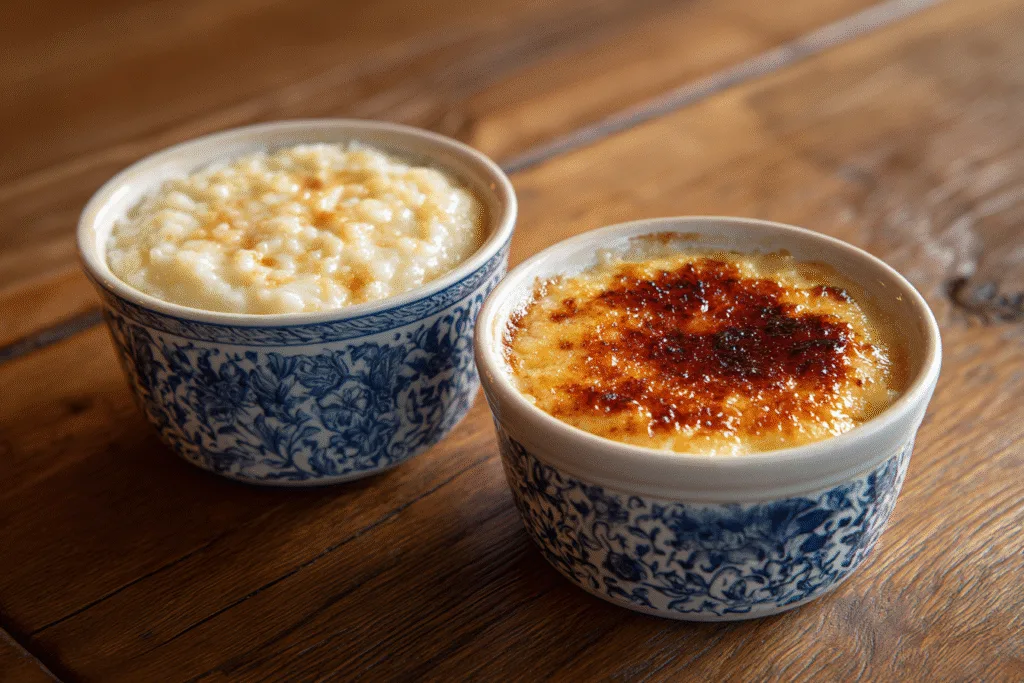
Stovetop rice pudding is typically creamier and looser in texture. It’s cooked in a pot, much like risotto, with milk added gradually until the rice becomes tender and the pudding thickens. This method is ideal if you prefer a silky, pourable dessert or want to serve it chilled.
In contrast, oven baked rice pudding leans toward a more custard-like consistency. The addition of eggs allows the mixture to set as it bakes, creating a firmer, sliceable result with a golden top. It’s the preferred method for those who enjoy a heartier texture and layered flavors, especially in versions like baked rice custard or old fashioned rice pudding.
Convenience and Cleanup
Stovetop pudding is faster, often ready in 30 minutes or less, and only requires a single pot. It’s a go-to when you want something warm and sweet without much planning.
Baked rice pudding takes longer, especially with the additional step of baking in a water bath, but it’s mostly hands-off once it’s in the oven. This makes it great for serving a crowd or preparing ahead.
And don’t forget: baked pudding is also the method of choice for transforming leftover rice pudding into something new, like a vanilla rice pudding bake with cinnamon or dried fruit.
When to Choose Which Method
Choose stovetop rice pudding when:
- You want a quick dessert.
- You like your pudding creamy and spoonable.
- You plan to serve it cold or use it as a base for fruit compote.
Choose oven baked rice pudding when:
- You want a custardy finish or firmer texture.
- You’re making egg custard rice pudding or baked rice custard.
- You enjoy the classic flavor of cinnamon rice pudding baked until golden.
- You’re using evaporated milk for a richer finish.
Ultimately, there’s no wrong choice. Both styles celebrate the simplicity of rice, milk, and warmth, but if you’re after depth of flavor and that signature custard top, baked rice pudding wins every time.
Tips and Tricks to Get a Perfect Baked Rice Custard (and Avoid Common Mistakes)
Baked rice pudding may be simple at heart, but a few key techniques can elevate it from decent to divine. Whether you’re making a traditional egg custard rice pudding or experimenting with a no egg version, the tips below will help you achieve a smooth, creamy texture every time.
How to Prevent a Skin on Rice Pudding
One of the most common complaints with baked rice pudding is that skin that forms on the top. While some people enjoy it, others prefer a smooth surface all the way through. To avoid it:
- Cover the pudding loosely with foil for the first part of baking.
- Stir the mixture once mid-bake to redistribute the milk and break up any forming layer.
- Once baked, press plastic wrap directly onto the surface if you’re storing it to chill, this stops a skin from forming as it cools.
These simple tricks will keep your cinnamon rice pudding smooth and custard-like, especially if you plan to serve it cold.
Avoid These Common Mistakes
If you’ve ever ended up with curdled custard or undercooked rice, you’re not alone. Here’s how to sidestep the most common issues:
- Don’t rush the bake. A low oven temperature (around 325 °F) ensures the eggs set gradually, creating that perfect creamy rice pudding texture.
- Whisk the eggs properly. If making an egg custard rice pudding, temper the eggs slowly by adding a bit of the warm milk mixture before combining it all, this keeps them from scrambling.
- Use the water bath. Skipping it often leads to overcooked edges and a dry, cracked pudding top.
- Don’t overbake. The pudding should still have a gentle jiggle in the center when it comes out. It will continue to firm up as it rests.
Enhance the Custard Quality
For a rich, smooth custard base in your baked rice custard:
- Opt for full-fat dairy. Whole milk, or a mix of whole milk and evaporated milk, delivers the best texture.
- Use high-quality vanilla extract and fresh cinnamon for full flavor.
- Let the pudding rest before serving, this allows the texture to finish setting and flavors to deepen.
Whether you’re making a vanilla rice pudding bake with eggs or a no egg rice pudding to keep things light, these tips will help you avoid pitfalls and ensure delicious results every time.
Creative Variations & Leftovers – Turning Your Baked Rice Pudding into Something New
Baked rice pudding is a classic, but one of its best qualities is how easily it adapts to your mood, ingredients on hand, or leftover rice in the fridge. Whether you’re playing with flavors or repurposing yesterday’s dessert, this dish has room for creativity.
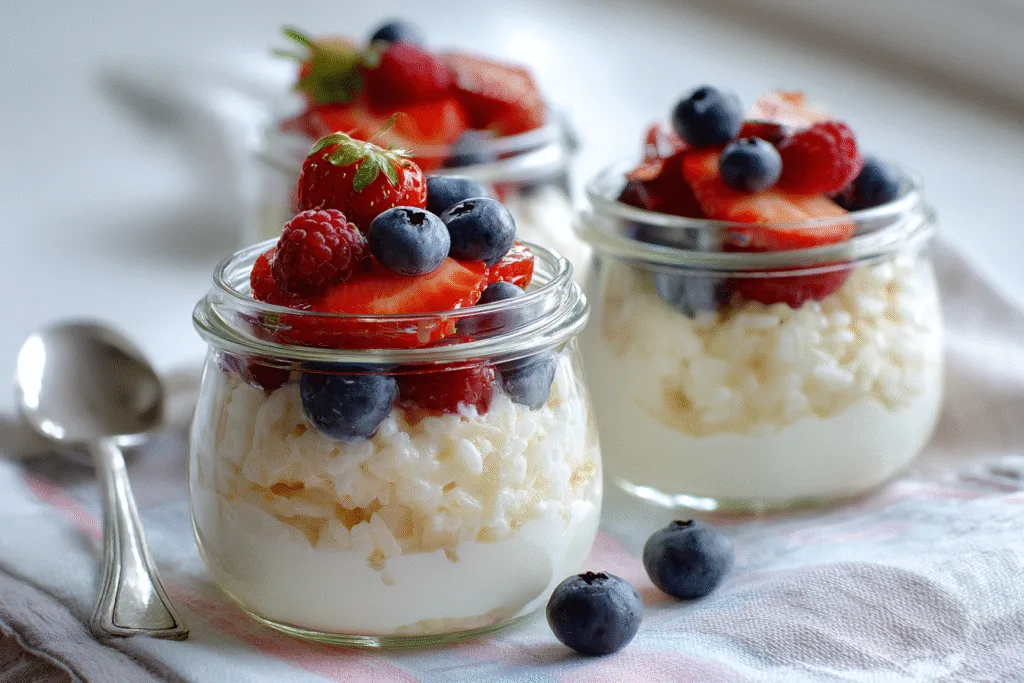
What to Do with Leftover Rice Pudding
Leftover rice pudding is practically a gift. You can enjoy it cold straight from the fridge, reheat it with a splash of milk to revive its creaminess, or turn it into something new:
- Rice pudding parfaits: Layer chilled pudding with fruit, nuts, or yogurt for a quick dessert or breakfast.
- Rice pudding pancakes: Mix into pancake batter for a cinnamon-spiced treat.
- Custard slices: Press leftover baked rice custard into a dish, chill until firm, and cut into bars.
No matter how you reuse it, leftover rice pudding adds comfort and flavor to your next meal.
Flavor Twists to Try
Once you master the basic vanilla rice pudding bake, it’s easy to start experimenting:
- Cinnamon rice pudding: Boost the warmth by adding extra ground cinnamon or even a cinnamon stick during the milk simmer stage.
- No egg rice pudding: Skip the eggs for a lighter, spoonable version, great for those avoiding dairy or eggs.
- Tropical twist: Add coconut milk, shredded coconut, and chopped mango or pineapple for a Caribbean-inspired pudding.
- Chocolate version: Stir in cocoa powder or melted dark chocolate for a dessert that’s rich and unexpected.
- Nutty bake: Top with chopped toasted almonds, pistachios, or pecans for crunch and contrast.
These flavor variations let you tailor your baked rice pudding to any season, craving, or crowd.
Serving Suggestions to Elevate Your Bake
This dessert can be served warm from the oven, room temperature, or chilled, it’s entirely up to you. Here are a few ways to dress it up:
- Dust the top with cinnamon or nutmeg just before serving.
- Add a drizzle of honey or maple syrup for a glossy finish.
- Top with a dollop of whipped cream or a scoop of vanilla ice cream for special occasions.
- For baked rice custard squares, chill fully and slice before plating.
By taking a simple vanilla rice pudding bake and layering on flavors, textures, and leftovers, you turn comfort food into something fresh and exciting.
Frequently Asked Questions About Baked Rice Pudding
What rice is best for baked rice pudding?
Short-grain rice such as Arborio or pudding rice is best for baked rice pudding because it releases more starch, creating a creamy, custard-like texture. Medium-grain rice like Calrose also works well. Avoid long-grain rice, which tends to stay separate and results in a drier finish.
Do you add eggs to baked rice pudding?
Yes, most baked rice pudding recipes include eggs to form a custard base. When baked, the eggs help the pudding set with a firm yet silky texture. However, you can also make a no egg rice pudding by omitting the eggs and extending the baking time slightly.
How long to bake rice pudding for a custardy set?
Bake rice pudding at 325 °F for 40 to 50 minutes if using a wide dish, or 55 to 65 minutes for a deeper one. The pudding is ready when the center is just set but still has a slight jiggle. Overbaking can lead to a dry texture.
Can you use leftover cooked rice?
Absolutely. Leftover cooked rice is a great shortcut for baked rice pudding. Just reduce the milk slightly and adjust baking time. This method is perfect for transforming plain rice into a creamy dessert with very little effort.
How to prevent a skin on rice pudding?
To prevent a skin from forming on top of baked rice pudding, cover it loosely with foil during the first half of baking. After baking, pressing plastic wrap directly onto the surface while cooling can also stop skin from forming, especially if storing in the fridge.
Can you do rice pudding in the oven?
Yes, rice pudding is traditionally baked in the oven. Oven baked rice pudding creates a creamy texture with a firmer custard-like set and golden top. It’s especially ideal for versions like baked rice custard or old fashioned rice pudding.
How do you make baked rice custard?
Baked rice custard is made by combining cooked or simmered rice with milk, eggs, sugar, vanilla, and cinnamon, then baking the mixture in a water bath until set. The eggs give it structure, creating a firm yet tender custard around the rice grains.
What are common rice pudding mistakes?
Common mistakes include overbaking, which leads to dryness, skipping the water bath, which causes uneven texture, and not tempering the eggs, resulting in curdling. Using the wrong rice type can also affect the final creaminess.
Conclusion
In the end, this baked rice pudding recipe gives you a creamy rice pudding experience that’s both comforting and memorable. By choosing the oven baked rice pudding method, you’ll enjoy a warm, satisfying dessert with the set‑custard finish of a classic baked rice custard.
Whether you’re making a vanilla rice pudding bake, embracing the nostalgia of old fashioned rice pudding, adapting to dietary needs with a no egg rice pudding, or opting for the richness of an evaporated milk rice pudding, you’re in for a wonderful treat. From the cozy cinnamon‑spiced layers of a cinnamon rice pudding to creative uses for leftover rice pudding, this dessert delivers on versatility too. Don’t forget how it compares when you weigh stovetop vs baked rice pudding, and how easy it can be to transform leftover breakdowns into something new.

If you enjoyed this recipe, you might also like Our Recipes for desserts to lose weight, it’s packed with useful substitutions for mindful treats.
If you love healthy and simple recipes, follow Viva Lyze on Facebook to find daily wellness ideas and natural comforts. Discover beautifully curated recipes on Viva Lyze on Pinterest and bring a little homemade bliss to your dessert table. One of the internal links in this conclusion: check out how we keep meals light yet flavourful with other desserts at Viva Lyze.