
Croissant French toast is a rich and flaky twist on the classic breakfast favorite, made by soaking buttery croissants in a creamy vanilla custard and cooking them to golden perfection. This brunch-friendly upgrade offers a tender interior, crisp edges, and a flavor profile that’s both indulgent and versatile. Unlike traditional bread, croissants provide a delicate, airy texture that absorbs custard evenly without turning soggy.
This elevated version of French toast is ideal for special occasions like holiday breakfasts, weekend brunches, or any time you want a bakery-style treat at home. Whether you prepare it as a skillet-fried stack or bake it into a sweet croissant casserole, it pairs beautifully with toppings like whipped cream, fresh berries, or maple syrup. From “overnight croissant French toast” to “stuffed croissant French toast” filled with berries or cream cheese, this dish adapts effortlessly to your taste and schedule.
Flaky, flavorful, and always satisfying, croissant French toast transforms an easy croissant breakfast into a truly memorable meal.
Discover cozy recipe ideas like our best pumpkin waffles or pumpkin oatmeal muffins for fall brunch inspiration.

In This Recipe
In This Recipe
Why Croissant French Toast Is the Ultimate Brunch Treat
What Makes Croissants Special Compared to Regular Bread
Croissants bring something truly special to the table literally. Made from laminated dough rich in butter and air, croissants are flaky, tender, and layered with flavor. When used in French toast, their crisp exterior and soft, pillowy center soak up custard perfectly without falling apart. This sets them apart from basic sandwich bread or brioche.
Unlike typical French toast, croissant French toast offers a texture contrast: lightly crispy on the edges, custardy in the middle. That duality is what makes it ideal for both casual brunches and elegant holiday breakfasts.
The Difference Between Classic and Croissant French Toast
Traditional French toast relies on thick slices of bread dipped in a milk-and-egg mixture. It’s comforting and straightforward. But bakery croissant French toast? That’s an upgrade. The buttery layers absorb more flavor, delivering a dessert-like bite every time.
Croissant bread pudding and French toast casserole are great variations too. They’re built for serving a crowd and can be prepped the night before perfect for brunch parties or holiday mornings.
If you love cozy casseroles, try this apple pie baked oatmeal that feels just as comforting.
When to Serve It (And Why It Shines)
This dish shines during brunch gatherings, relaxed weekends, and especially holiday breakfasts. It’s simple enough for a lazy Sunday, but elegant enough to impress guests. Pair it with fresh fruit, whipped cream, or a warm berry compote for that fresh berry French toast flair.
Whether you’re aiming for an easy croissant breakfast or a sweet croissant bake centerpiece, croissant French toast is guaranteed to deliver.
Ingredients You’ll Need for Perfect Croissant French Toast
The Star Ingredient: Croissants
Croissants are the foundation of this decadent dish. For the best texture, use bakery croissants that are one to two days old. Day-old croissants are firmer and absorb the custard without turning mushy, giving you crisp, golden edges and a rich interior. If you only have fresh ones, slice and lightly toast them first.
You can also use mini croissants for an easy croissant breakfast or go bold with oversized ones for a brunch croissant French toast centerpiece.
Custard Mix: Eggs, Milk, Cream, Vanilla, and More
The custard transforms the croissants from pastry to dessert. Whisk together eggs, milk or cream, vanilla extract, cinnamon, and a touch of sugar. This mix creates that classic vanilla French toast flavor while staying rich and silky.
Optional: add a pinch of salt and a splash of orange zest for brightness. The balance of eggs to dairy is key too much liquid can lead to soggy results, while too little leaves the croissants dry. Aim for a smooth, pourable texture that clings.
Toppings & Add‑Ons: Make It Yours
This is where croissant French toast really shines. Whether you’re making a fresh berry French toast stack or a stuffed croissant French toast with cream cheese and jam, toppings elevate every bite.
Try:
- Whipped cream croissant toast with strawberries or raspberries
- A drizzle of maple syrup and toasted nuts
- A dusting of powdered sugar and citrus zest
- A chocolate or hazelnut spread for a sweet croissant bake feel Or treat yourself to these fluffy peanut butter pancakes for your next weekend morning.
You can even go savory by adding herbs, cheese, or smoked salmon.
Equipment & Prep Tips
Depending on your chosen style, you’ll need either a griddle/skillet or a baking dish.
For more wholesome options, consider this cottage cheese flatbread that complements any brunch table.
- Use a griddle or nonstick skillet for classic pan-fried croissant French toast. Medium heat and butter yield golden, crisp edges.
- For crowd-serving, opt for a french toast casserole or croissant bread pudding format baked in the oven.
Prepping ahead? Make an overnight croissant French toast by assembling it the night before, covering, and refrigerating.
Whether you’re making it for a cozy morning or hosting a festive brunch, these simple, bakery-worthy ingredients turn everyday croissants into something unforgettable.
Step‑by‑Step: How to Make Croissant French Toast
PrintCroissant French Toast Recipe

A cozy, flaky brunch favorite, croissant French toast features buttery croissants soaked in a rich vanilla custard and cooked until golden. Perfect for holiday mornings or weekend brunch.
- Prep Time: 10 minutes
- Cook Time: 15 minutes (griddle) or 35 minutes (bake)
- Total Time: 25–45 minutes
- Yield: 4–6 servings 1x
- Category: Breakfast, Brunch
- Cuisine: American
Ingredients
- 4–6 day-old croissants (medium to large)
- 4 large eggs
- 1 cup milk or half-and-half
- 2 tablespoons sugar
- 1 teaspoon vanilla extract
- ½ teaspoon ground cinnamon (optional)
- Pinch of salt
- Butter for greasing pan or dish
- Toppings: fresh berries, whipped cream, maple syrup, powdered sugar
Instructions
- Slice croissants in half or tear into chunks (for baked version).
- In a large bowl, whisk eggs, milk, sugar, vanilla, cinnamon, and salt.
- Dip each croissant half briefly in custard until coated, or layer chunks in a greased baking dish and pour custard over.
- For stovetop: Cook croissants on a buttered skillet over medium heat until golden brown on both sides (about 3 minutes per side).
- For oven: Let croissant mixture sit for 15 minutes, then bake uncovered at 350°F (175°C) for 30–35 minutes, or until the custard is set.
- Serve warm with toppings of choice.
Notes
- Day-old croissants work best to prevent sogginess.
- For a make-ahead version, refrigerate the assembled dish overnight before baking.
- Try stuffing croissants with jam or cream cheese for an extra treat.
Nutrition
- Calories: 350–400
- Sugar: 10g
- Fat: 24g
- Carbohydrates: 30g
- Protein: 9g
Step 1: Prepare the Croissants (Slice, Cube or Open)
Starting with the right cut makes a big difference for your brunch croissant French toast. If you’re opting for pan‑fried halves, slice each croissant in half horizontally so each half can soak evenly. On the other hand, if you plan a sweet croissant bake or croissant bread pudding style, you may tear or cube the croissants into chunks so they bake in custard and absorb fully. When using fresh croissants, you may toast lightly first so they hold up better. Using day‑old croissants helps avoid overly soggy centers.
Step 2: Mix the Custard and Soak
In a bowl whisk eggs, milk (or cream), vanilla, sugar and a pinch of salt. For added flavor you might include a dash of cinnamon or orange zest. When you dip your croissant slices or pieces, soak just long enough to coat but not so long that they collapse, this helps you avoid soggy results. Some recipes recommend only about 20–30 seconds per side for halves.
Step 3: Cook on Griddle/Skillet or Bake in Casserole
- Griddle/Skillet method (for a classic easy croissant breakfast): Heat a non‑stick skillet or griddle over medium heat, add butter, then cook croissant halves until golden brown on one side (about 2‑3 minutes) then flip and cook the other side. Use “griddle French toast” technique for crisp edges.
- Baking method (for a brunch croissant French toast casserole / bread pudding): Place soaked croissant pieces in a baking dish, pour remaining custard over them (for good soak), then bake in a preheated oven until set and lightly browned on top. This method works great for overnight croissant French toast. If you’re looking to meal prep with balance, check out our high-protein blended overnight oats recipe for the week ahead.
Step 4: Serve with Toppings & Variations
Once your croissant French toast is ready, serve immediately for best texture. Top with fresh berries, a dollop of whipped cream for whipped cream croissant toast feel, a drizzle of maple syrup, or even a sweet croissant bake spin with caramelised sugar. If you prepared stuffed croissant French toast (e.g., cream cheese & jam inside), cut open and let the filling reveal itself. Use fresh berry french toast elements and bakery croissant French toast presentation to impress.

Variations & Adaptations to Try
Overnight Croissant French Toast Bake (Make‑Ahead Favorite)
If you’re hosting brunch or just love a no‑fuss morning, the overnight croissant French toast version is your best friend. Tear or cube croissants into a buttered baking dish, pour custard over the top, cover, and refrigerate overnight. In the morning, just pop it into the oven. This method gives you a moist interior with golden edges, perfect for a holiday breakfast or special gathering.
Sprinkle with cinnamon sugar or add a handful of berries before baking to turn it into a festive sweet croissant bake.
Stuffed Croissant French Toast
Take your croissant French toast to the next level by stuffing it. Slice croissants horizontally, spread with cream cheese, Nutella, or berry jam, then dip in custard and cook as usual. This stuffed croissant French toast becomes a decadent, dessert-style breakfast perfect for celebrations.
Tip: Don’t overstuff. Use just enough filling to add flavor without leaking out during cooking.
Croissant Bread Pudding / French Toast Casserole Style
Prefer something you can serve by the slice? Go for a croissant bread pudding or french toast casserole. Tear croissants into pieces, layer them in a dish, and soak with custard. Bake until set and golden. This is especially great for large families or brunch parties.
Want it extra special? Add layers of thinly sliced apple or banana, sprinkle with nuts, or drizzle with maple glaze before serving. Or for a creative sweet spin, serve alongside chocolate zucchini muffins.
Lighter or Savory Twists
While croissant French toast is naturally indulgent, you can create a lighter version by reducing sugar in the custard, using almond or oat milk, and topping with fresh fruit and Greek yogurt.
Craving something savory? Omit the sugar and cinnamon, add grated cheese and herbs to the custard, and serve with smoked salmon or a poached egg for a luxurious brunch plate. Try it with cottage cheese pancakes for an extra protein boost.
You’ve now transformed a sweet croissant bake into a savory showstopper.
Tips to Get It Right Every Time
Selecting the Right Croissants (Fresh vs Day‑Old)
Can you use fresh croissants in French toast?
Yes, but day-old croissants work better. Fresh croissants are airy and delicate, making them prone to falling apart when soaked. Day-old ones are slightly drier, which helps them hold their shape and absorb custard more evenly. If you’re using bakery croissants straight from the oven, let them rest overnight or toast lightly before soaking. This is especially important for custard dipped croissants and baked formats like croissant bread pudding.
How to Prevent Soggy French Toast
How to prevent soggy French toast?
Soggy texture is often caused by too much custard or over‑soaking. Use a proper egg-to-liquid ratio (typically 1 egg per ¼ to ⅓ cup milk), and soak each croissant half for 20–30 seconds just enough to absorb custard without becoming waterlogged. Avoid overcrowding your griddle French toast, and cook at medium heat so the interior cooks through while the outside gets crispy.
Optimal Cooking Temperature & Method
- Griddle or skillet method: For classic pan-cooked versions like easy croissant breakfast stacks, preheat a nonstick griddle over medium heat. Melt butter, cook each side for 2–3 minutes until golden brown and crisp. Avoid high heat, which burns the outside before the inside sets. Add a crisp side like these scrambled oats to round out the meal.
- Baking method: For a french toast casserole, bake uncovered at 350°F (175°C) for 30–40 minutes or until the custard is fully set and the top is lightly browned. This method works well for overnight croissant French toast.
Storage, Reheating & Make‑Ahead Tips
Want to prep ahead? Follow this plan:
- Make-ahead: Assemble your dish (especially for baked versions like sweet croissant bake) and refrigerate overnight.
- Storing leftovers: Refrigerate in an airtight container for up to 3 days.
- Reheating: Warm in a 300°F oven for 10–12 minutes or microwave individual portions briefly.
- Freezing: Baked casseroles or individual slices freeze well. Wrap tightly, freeze up to 1 month, then thaw and reheat in the oven.
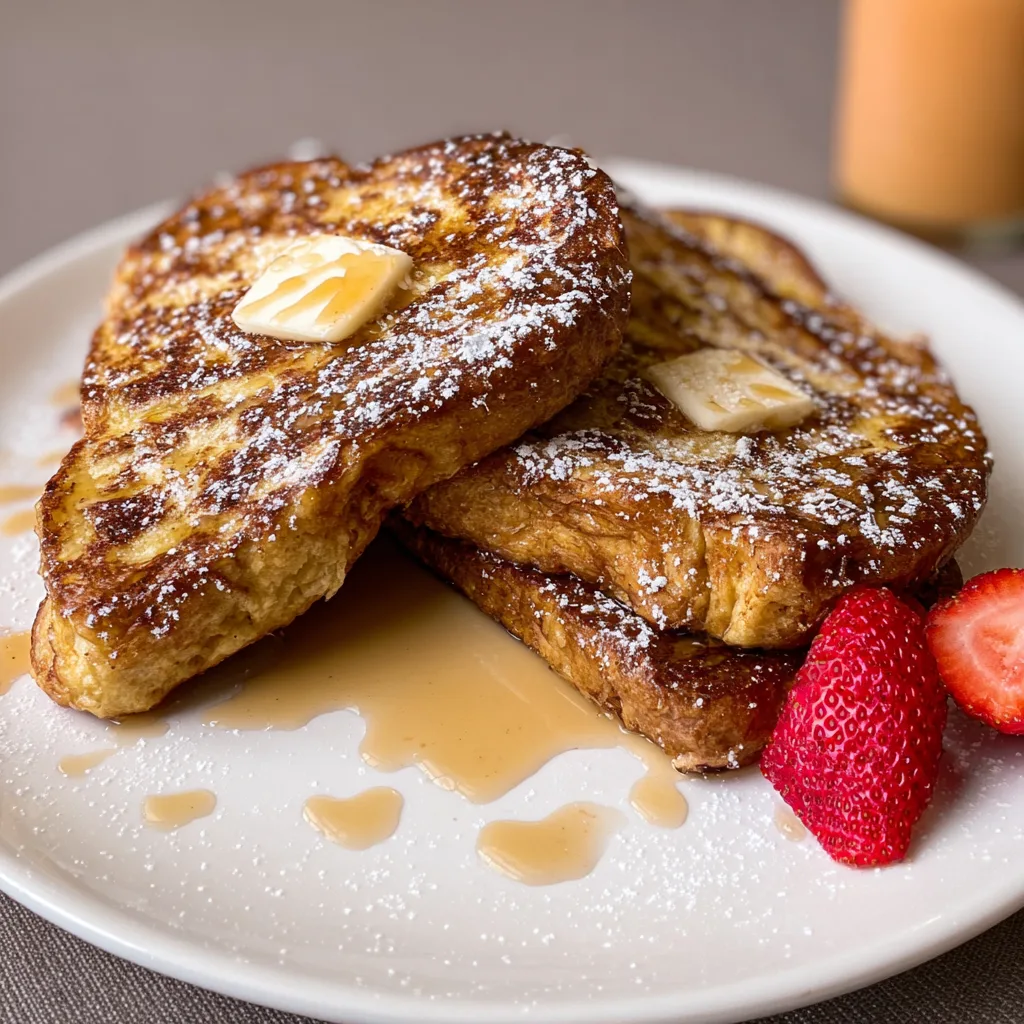
Serving & Presentation Ideas
Toppings That Pair Beautifully
The magic of croissant French toast isn’t just in the custard or flaky pastry, it’s in the toppings. Whether you’re going for cozy comfort or brunch table wow factor, toppings elevate the experience.
Try these irresistible combos:
- Fresh berry French toast: Add raspberries, blueberries, or strawberries for bright contrast.
- Whipped cream croissant toast: A generous swirl of whipped cream balances the richness.
- Maple syrup, honey drizzle, or fruit compotes for natural sweetness.
- Toasted nuts or granola for crunch.
- A dusting of powdered sugar or cinnamon for a bakery-style finish.
Layering textures and flavors helps turn a simple dish into a brunch centerpiece.
Serving for Brunch, Holiday Breakfast, or Bakery-Style Presentation
Croissant French toast works for both intimate mornings and festive spreads. For a relaxed easy croissant breakfast, serve individual portions with minimal toppings and hot coffee. For a larger gathering or holiday breakfast, bake a sweet croissant bake in a pretty casserole dish, top with berries and mint, and serve buffet-style. Or lighten the spread with Greek yogurt pancakes they’re gluten-free and protein-rich.
Want a bakery croissant French toast look? Stack halved croissants neatly, drizzle with glaze, and top with a dollop of cream and fruit. Use marble trays, sprinkle powdered sugar just before serving, and garnish with edible flowers for a polished touch.
Pairings With Drinks and Sides
Round out your meal with thoughtful sides:
- Fresh orange juice or mimosas
- Hot coffee or a chai latte
- Crispy bacon or savory sausage
- Fresh fruit salad or yogurt parfait
- Toasted sourdough or scrambled eggs for contrast
For a full brunch croissant French toast experience, balance sweet and savory elements on the table. Think of it as creating a mini bakery brunch board. Or opt for a refreshing pairing like this pineapple and spinach smoothie to brighten the plate.
Frequently Asked Questions About Croissant French Toast
Can you use fresh croissants in French toast?
Yes, you can use fresh croissants, but day-old croissants are preferred. They are slightly drier, which helps them absorb the custard without becoming overly soggy. If using fresh ones, lightly toast or leave them out for a few hours to dry before soaking.
How do you slice croissants for French toast?
Slice croissants horizontally for skillet cooking or tear them into large chunks if you’re making a casserole or bread pudding. This ensures even soaking and allows for consistent cooking whether you’re baking or pan-frying.
What toppings go best with croissant French toast?
Top croissant French toast with fresh berries, whipped cream, maple syrup, powdered sugar, or a fruit compote. For added crunch, try toasted nuts. Sweet spreads like Nutella or cream cheese also work well, especially for stuffed versions.
Can croissant French toast be made ahead?
Yes, it’s ideal for make-ahead prep. Assemble as an overnight bake and refrigerate it, then bake in the morning. You can also prep individual slices ahead of time and store them in the fridge for up to 3 days or freeze for longer storage.
How to prevent soggy French toast?
Use day-old croissants, soak briefly, and cook at medium heat. For casseroles, allow the custard to absorb fully before baking and ensure the center is set before removing from the oven.
Conclusion
In the world of brunch favorites, croissant French toast stands out as a buttery, flaky twist that elevates classic breakfast into something unforgettable. Whether you’re serving it as a sweet croissant bake for holiday breakfast or cooking up an easy croissant breakfast stack on a griddle, this dish invites you to indulge and entertain with ease. With thoughtful ingredient choices, variations like overnight croissant French toast or stuffed croissant French toast, and crowd‑pleasing toppings like fresh berries and whipped cream croissant toast, you’ve got brunch covered from every angle. Ready to rule your next weekend table? From “custard dipped croissants” to “bakery croissant French toast” presentation, the possibilities are deliciously endless.
Explore more breakfast inspiration like the brunch‑friendly recipes on Viva Lyze on Facebook and Viva Lyze on Pinterest for your next kitchen adventure!
We’re excited to see how you personalize your recipe and make it your own.