
High protein oatmeal is a powerful breakfast option designed to boost energy, support muscle growth, and aid weight loss. By combining oats with high-protein ingredients like Greek yogurt, protein powder, or dairy-free alternatives, you can create a nutrient-dense meal that keeps you full longer and stabilizes blood sugar. Whether you’re building a macro-friendly oats bowl or preparing quick protein oats for busy mornings, this flexible recipe adapts to any goal.
This high protein oatmeal guide includes tips for 30g protein breakfast combinations, options for sprouted rolled oats, and even anabolic oatmeal variations. It’s ideal for anyone looking to improve nutrition without sacrificing flavor or simplicity.
For example, check out this healthy-edible cookie dough as a delicious snack that fits into a high-protein day.
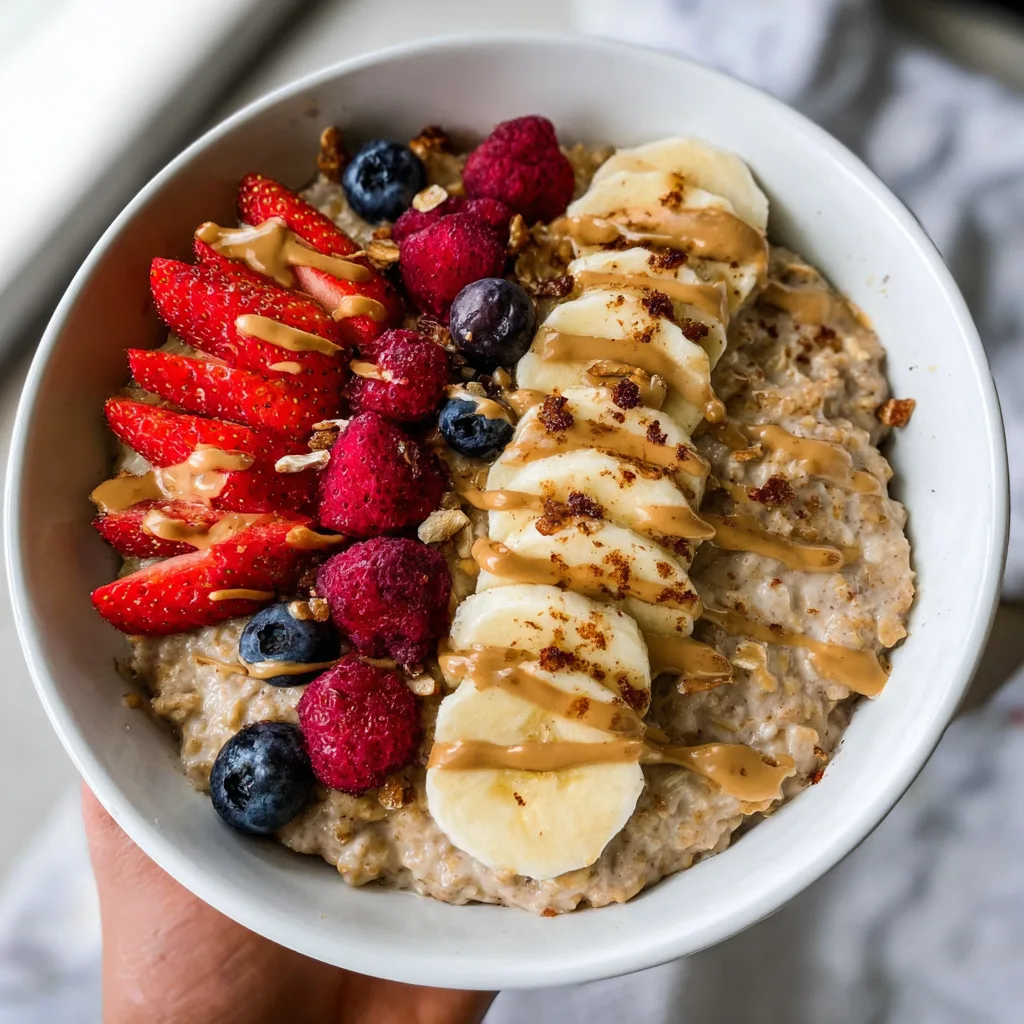
In This Recipe
In This Recipe
Why high protein oatmeal matters for your breakfast
Starting your day with high protein oatmeal gives your body more than just energy, it supports muscle repair, keeps you feeling full, and builds a stronger metabolism. Oats alone deliver smart nutrition, but when you turn them into high‑protein versions (such as by mixing in Greek yogurt or protein powder), you move from “good breakfast” to “power breakfast.”
What you mean by “high protein oatmeal” vs regular oats
Regular oatmeal is a healthy base: it’s whole‑grain, rich in soluble fiber like beta‑glucan, which helps lower cholesterol and slow down glucose absorption. However, standard oatmeal often only gives about 5–7 g of protein per cooked cup. “High protein oatmeal” means you bump that number significantly, think 20 g, 30 g or more of protein by adding extra protein‑rich ingredients (Greek yogurt, protein powder, nut butter, etc.). This transforms the meal from mostly carbs + fiber into a well‑balanced, muscle‑supporting breakfast.
If you enjoy functional meals like this, you might also love this Big Mac Salad for a low-carb, high-protein lunch option
How protein‑rich breakfasts support muscle, metabolism & satiety
- Satiety and appetite control: Protein takes longer to digest than simple carbs, so a high‑protein breakfast helps you feel full longer and avoid mid‑morning hunger or snacking.
- Muscle maintenance and metabolism: After waking up, your body is in a fasted state. Giving it an ample amount of protein early helps preserve lean muscle even if you’re working toward weight loss and keeps metabolic rate from dipping.
- Better blood sugar response: Oats already help regulate blood sugar thanks to fiber, but adding protein further stabilizes the release of glucose into the bloodstream and lowers the risk of energy crashes.
Quick comparison: protein oatmeal breakfast vs standard oatmeal
| Feature | Standard Oatmeal | High Protein Oatmeal |
|---|---|---|
| Protein content | ~5–7 g | 20–30 g+ |
| Hunger control | Moderate | Stronger/full‑longer |
| Muscle support | Limited | Significantly better |
| Ideal for weight loss/muscle gain | Good base | Much stronger fit |
| Typical ingredients | Oats + milk/water | Oats + Greek yogurt/protein powder/nuts/seeds |
Since standard oats are already beneficial for heart and gut health, choosing the high‑protein version magnifies those benefits while aligning the meal more directly with your goals whether that’s weight loss, muscle gain, or simply feeling powered through a busy morning.
Key ingredients for your high protein oatmeal bowl
Choosing the right oats: sprouted rolled oats, steel‑cut, quick oats
Not all oats are created equal when it comes to creating a high protein oatmeal. Sprouted rolled oats are a smart choice because the sprouting process breaks down antinutrients and increases nutrient absorption making the grain easier to digest and more bio‑available. For example, sprouted grains may offer higher mineral content and improved digestion compared to regular oats.
Steel‑cut oats add a chewier texture and slower digestion, while quick oats offer convenience but may sacrifice texture or nutrient density. Either way, starting with a quality oat base sets the stage for a true protein oatmeal breakfast.
Protein add‑ons: Greek yogurt oatmeal, protein powder oats, blended protein oats
To turn your oatmeal into a true high protein oatmeal recipe, you’ll want to stack in some extra protein sources beyond the oats themselves.
- Greek yogurt is a go‑to add‑on. It’s rich in protein (e.g., ~20 g per 7 oz serving) and offers probiotics, which support digestion and gut health.
- Protein powder (whey, plant‑based, or collagen) is an efficient way to hit your target especially if you’re building breakfast for muscle gain or aiming for your 30g protein breakfast.
- Blended protein oats are another smart move: for example mix oats + yogurt + fruit + protein powder and blend for a smooth, nutrient‑dense bowl. This gives you the convenience of a “meal prep oats” style with elevated protein.
Additional lifts: fruit and yogurt oats, nuts, seeds, low calorie oatmeal approach
Beyond oats and protein, you can enhance your bowl with nutritious lifts:
- Fruits & yogurt: By adding fruit to your Greek yogurt oatmeal base, you introduce vitamins, fiber, sweetness and texture. A yogurt‑with‑oats combo is especially good for gut health and fuller breakfasts.
- Nuts, seeds (chia, flax, hemp): These add healthy fats, more plant‑based protein, and help with satiety especially helpful when you’re doing a “macro friendly oats bowl” for weight loss or muscle maintenance.
- Low calorie oatmeal option: If your goal is weight loss, you might use water or unsweetened plant milk, moderate fruit, skip added sugar, and increase your protein add‑ons so you can keep calories lower while still getting a high protein oatmeal. Another smart swap is using high-protein options like cottage cheese bagels.
Special diets: dairy‑free protein oats option, meal prep oats technique
- Dairy‑free protein oats option: If you can’t or don’t want to use dairy Greek yogurt, you can substitute unsweetened soy or pea yogurt (check for protein content), or use plant‑based protein powder + almond, oat, or soy milk. Then you still have a “dairy‑free protein oats” version of your high protein oatmeal.
- Meal prep oats: Make a batch of your high protein oatmeal (using sprouted rolled oats + yogurt/protein powder + seeds/nuts + fruit) ahead of time, portion it into jars and refrigerate. This “meal prep oats” style means you’ll have a macro‑friendly, grab‑and‑go breakfast ready, and you avoid skipping breakfast or going for less optimal options.
High Protein Oatmeal Bowl

This creamy, customizable high protein oatmeal is the perfect breakfast to fuel your day. With options like Greek yogurt, plant-based protein, and sprouted oats, this bowl helps you hit 30g of protein while staying full and energized.
- Prep Time: 5 minutes
- Cook Time: 5 minutes (stovetop or microwave)
- Total Time: 10 minutes
- Yield: 4–6 1x
- Category: Breakfast
- Cuisine: American (with global flexibility)
Ingredients
- 2 cups sprouted rolled oats
- 2 cups unsweetened soy milk (or low-fat milk)
- 1 cup plain Greek yogurt (or dairy-free protein yogurt)
- 2 tablespoons chia seeds
- 2 tablespoons natural peanut butter or almond butter
- 2 bananas, sliced
- 1 teaspoon cinnamon
- Optional: 1 scoop plant-based or whey protein powder
Instructions
- Cook oats: In a pot, combine oats and soy milk. Bring to a simmer and cook over low-medium heat for 5–7 minutes, stirring occasionally until thickened. (Alternatively, microwave for 2–3 minutes in a microwave-safe bowl.)
- Stir in flavor & protein: Remove from heat. Stir in cinnamon, chia seeds, and peanut butter. If using protein powder, mix it in now.
- Add yogurt: Once slightly cooled, fold in Greek yogurt or dairy-free yogurt for a creamy texture and protein boost.
- Top & serve: Top with banana slices. Enjoy warm, or store portions in jars for meal prep oats.
Notes
- Make it dairy-free by using plant yogurt and plant-based protein.
- Add berries, nuts, or flax for variation.
- To make baked oats, combine all ingredients in a baking dish and bake at 350°F (175°C) for 20–25 minutes.
Nutrition
- Calories: Approx. 350–400
How to hit 30 g protein in your high protein oatmeal bowl
The “30 g protein breakfast” goal, why it works
When you aim for a 30 g protein breakfast using your high protein oatmeal, you’re giving your body a strong start: adequate building blocks for muscle repair, improved satiety, and better metabolic support. Research shows that oats naturally contain quality protein about 10–17 g per 100 g of dry oats. But plain oatmeal typically falls short of 30 g, so you’ll need to boost it with add‑ons if you want a true high protein oatmeal that hits this benchmark.
Build a 30 g protein oatmeal: sample combos
Here are two quick combo ideas to hit ~30 g protein in your high protein oatmeal bowl:
- Combo A: Use ½ cup dry sprouted rolled oats (≈6–8 g protein), cook with milk instead of water (+8 g), stir in ½ cup plain Greek yogurt (+10–12 g), and add 1 tbsp peanut butter (+4–5 g). ~28–30 g protein total.
- Combo B (dairy‑free): ½ cup dry oats, cook with fortified soy milk (+8 g), add 1 scoop plant‑based protein powder (+20 g), and top with chia seeds (+2 g). ~30 g+ protein and dairy‑free option.
How do you get 30 g of protein for breakfast without protein powder?
If you prefer to skip protein powder, you can still hit your target by combining whole‑food protein sources in your high protein oatmeal:
- Use cooked oats + Greek yogurt (20 g range) + egg whites or cottage cheese (10 g more) + seeds or nuts.
- For example: oats + 1 cup Greek yogurt (~20 g) + ¼ cup chopped almonds (~6 g) + 2 tbsp hemp seeds (~5 g) = ~31 g protein.
The key is stacking multiple real‑food sources so that your high protein oatmeal bowl meets the “30 g protein breakfast” benchmark without relying on powders.
Macro‑friendly oats bowl: tracking macros & weight‑loss friendly
When you’re using a high protein oatmeal bowl for goals like weight loss or muscle maintenance, you’ll want to keep an eye on more than just protein:
- Carbs and calories: Oats bring complex carbs and fiber naturally. According to sources, ½ cup rolled oats cooked has ~165 calories and 6 g protein.
- Protein target: With ~30 g protein, you’re giving your body enough to support muscle and satiety.
- Fat & extras: Nuts/seeds add healthy fats but also calories, measure accordingly.
- Volume & satiety: A high protein oatmeal bowl keeps you fuller, which helps avoid snacking and supports weight‑loss efforts.
By designing your macro‑friendly oats bowl with protein, smart carbs (the oats), healthy fats, and fiber (from fruit, seeds, nuts), you turn breakfast into a performance‑balanced meal.
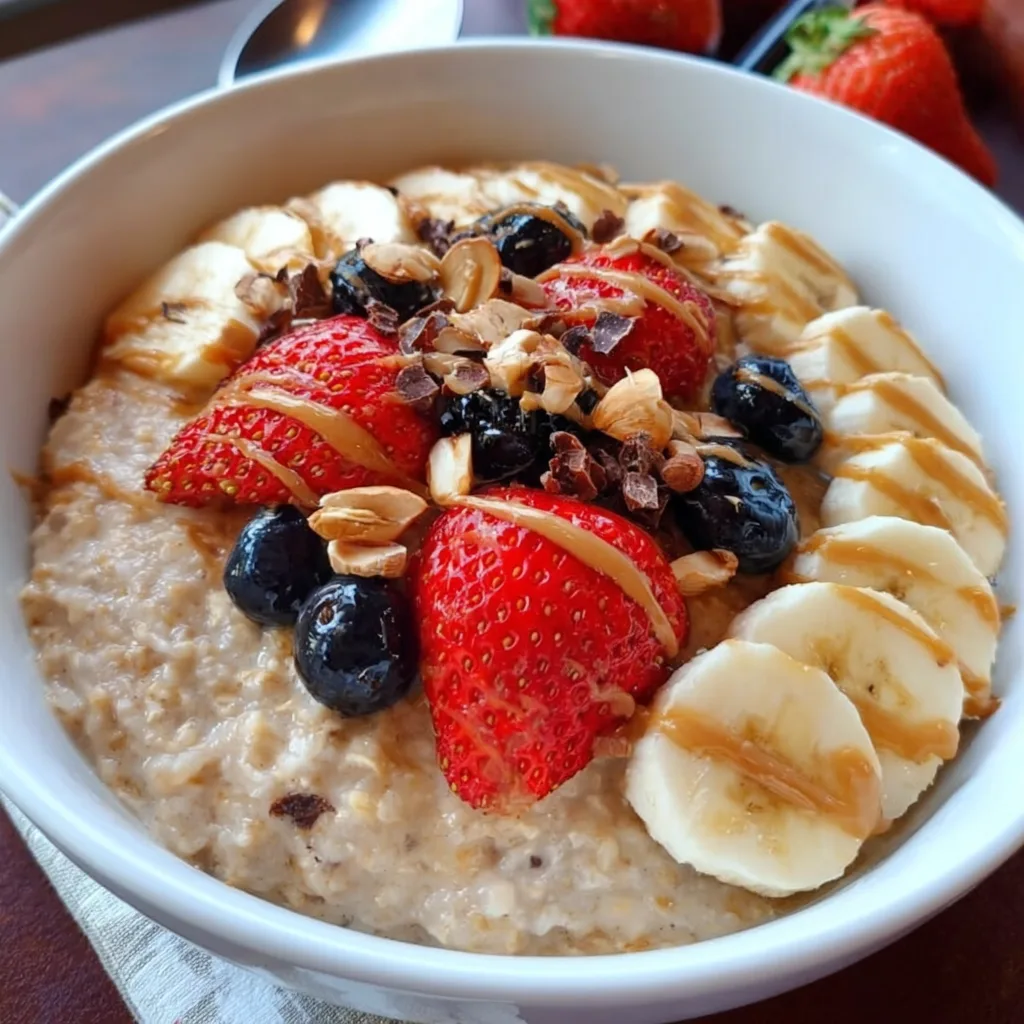
Recipe Library – High Protein Oatmeal Styles You Can Try
Quick protein oats: 10‑minute stovetop or microwave version
When you’re short on time, a quick high protein oatmeal bowl can still deliver big. Start with rolled oats (½ cup dry) cooked in milk or fortified plant‑milk for added protein. Stir in Greek yogurt or a scoop of protein powder after cooking to boost the protein content. Many versions of protein oatmeal achieve ~25‑30 grams of protein using just these swaps.
How you can make it:
- Combine oats + milk/plant‑milk + pinch of salt in a pot or microwave‑safe bowl.
- Cook for ~2‑4 minutes (microwave) or ~5 minutes (stovetop), stirring.
- Remove from heat and stir in your add‑on (Greek yogurt or protein powder).
- Top with fresh fruit or nut butter for extra flavor and nutrients.
High protein baked oats: baked version for meal prep oats, breakfast for weight loss oats
Baked oats turn your high protein oatmeal into a grab‑and‑go meal prep option. Combine oats, milk, Greek yogurt (or egg whites for dairy‑free), and add‑ons such as chia seeds or nut butter. Bake for ~15‑20 minutes until set. These batches hold well in the fridge and serve as convenient “breakfast for weight loss oats” or “macro friendly oats bowl” options.
How you can make it:
- Pre‑heat oven to ~350°F (175°C).
- In a baking dish, mix ¾ cup rolled oats + ½ cup milk + ½ cup Greek yogurt (or dairy‑free substitute) + 1 tbsp ground flaxseed + 1 ripe banana (mashed).
- Bake ~15‑20 min until firm and slightly golden.
- Portion into jars for meal prep, and reheat in microwave if desired.
Anabolic oatmeal: what it is, how to build it
“Anabolic oatmeal” refers to a version of your high protein oatmeal that is specifically designed for muscle gain and recovery meaning higher protein, proper calories, and potentially more carbs for fuel. You can use a base of oats + milk/plant‑milk + protein powder + Greek yogurt + nut butter. You may also add a banana or berries for carbs. This style helps you create a breakfast in alignment with a “30g protein breakfast” goal (or higher).
How you can make it:
- Cook ½ cup oats in 1 cup milk (or plant‑milk) until creamy.
- Stir in 1 scoop protein powder (20‑30 g protein) + ½ cup Greek yogurt (+10‑15 g) or egg whites for dairy‑free.
- Add toppings: banana, berries, nut butter, hemp seeds.
- This becomes your “anabolic oatmeal” high protein, satisfying, and supports muscle repair.
Dairy‑free protein oats option: plant‑based protein, dairy‑free yogurt, vegan friendly
If you’re aiming for dairy‑free or vegan, you can still hit your high protein oatmeal goal. Use fortified soy or pea milk, plant‑based protein powder (pea, hemp, rice blend), and dairy‑free yogurt (check protein content). Also use sprouted rolled oats for better absorption and nutrients. These fit well with “dairy free protein oats option” and “meal prep oats” for vegan or allergen‑sensitive diets.
How you can make it:
- Use ½ cup sprouted rolled oats + 1 cup soy or pea milk.
- Cook or soak overnight (overnight oats works well).
- Stir in 1 scoop plant‑based protein powder + ¼ cup dairy‑free yogurt.
- Add seeds or nut butter for extra texture and plant‑based protein.
How to customize for your goals: weight loss, muscle gain & clean eating
Is high protein oatmeal better than regular oatmeal for weight loss?
Yes, choosing high protein oatmeal over standard oatmeal gives you an edge for weight loss. Regular oats are excellent for whole‑grain carbs and fiber, but they typically only deliver about 5–10 g of protein per serving. When you bump up the protein (via Greek yogurt, protein powder, or seeds) you increase satiety, preserve lean muscle, and support a higher metabolic rate. One review on “protein oats” highlights that higher protein content helps boost metabolism, support fat loss and preserve muscle mass. That means your body is more likely to burn fat while you stay full and less likely to resort to snacking key calories away.
Breakfast for weight loss oats: low calorie oatmeal + high protein = win
To make your high protein oatmeal serve a weight loss goal, you’ll want to focus on low calorie oatmeal strategies while maintaining or increasing protein. Here’s how:
- Use a base of oats cooked in water or unsweetened plant‑milk to keep calories lower.
- Add a generous protein source Greek yogurt, protein powder, egg whites, or a dairy‑free alternative to raise the protein without excessive calories.
- Load in fiber‑rich toppings (berries, chia, flax) for volume and satiety.
- Avoid too much added sugar or high‑calorie toppings; the fiber and protein in your the high protein oatmeal bowl already do the work.
By combining the “macro friendly oats bowl” concept (balanced carbs + protein + healthy fats) with a calorie‑aware mindset, you turn your breakfast into a strategic tool for weight management. This is the same principle used in our best healthy steak fajitas recipe that balances flavor and macros.
Muscle/athlete version: higher calorie, higher protein, anabolic oatmeal approach
If your goal is muscle gain rather than calorie deficit, you can adjust your high protein oatmeal accordingly. Think of an “anabolic oatmeal” strategy: more calories, more quality protein, more carbs and healthy fats to fuel growth and recovery.
- Start with oats cooked in milk (or plant‑milk) for extra calories and protein.
- Add protein powder or a large scoop of Greek yogurt (or a dairy‑free alternative).
- Include carb sources like banana, oats, or honey plus healthy fats like nut butter or seeds.
- Use sprouted rolled oats or steel‑cut for slightly slower digestion and stable energy.
By doing this, your high protein oatmeal becomes a potent breakfast for athletes, bodybuilders or anyone training hard and wanting to maintain or build lean muscle.
Meal prep oats: how to batch cook your high protein oatmeal for grab‑and‑go
One of the smartest moves is to turn your high protein oatmeal into a convenient meal prep option. Here’s a simple workflow:
- Batch cook or assemble your base (oats + milk/plant‑milk + protein source) for 4‑6 servings.
- Use portable containers or mason jars to portion out your high protein oatmeal bowls.
- Add toppings (nuts, seeds, fruit) just before eating to keep texture fresh.
- Label each container with the protein and calories if you’re tracking macros.
This “meal prep oats” method saves you time on busy mornings, and ensures your high protein oatmeal stays aligned with your goal whether that is weight loss, muscle gain or clean eating.
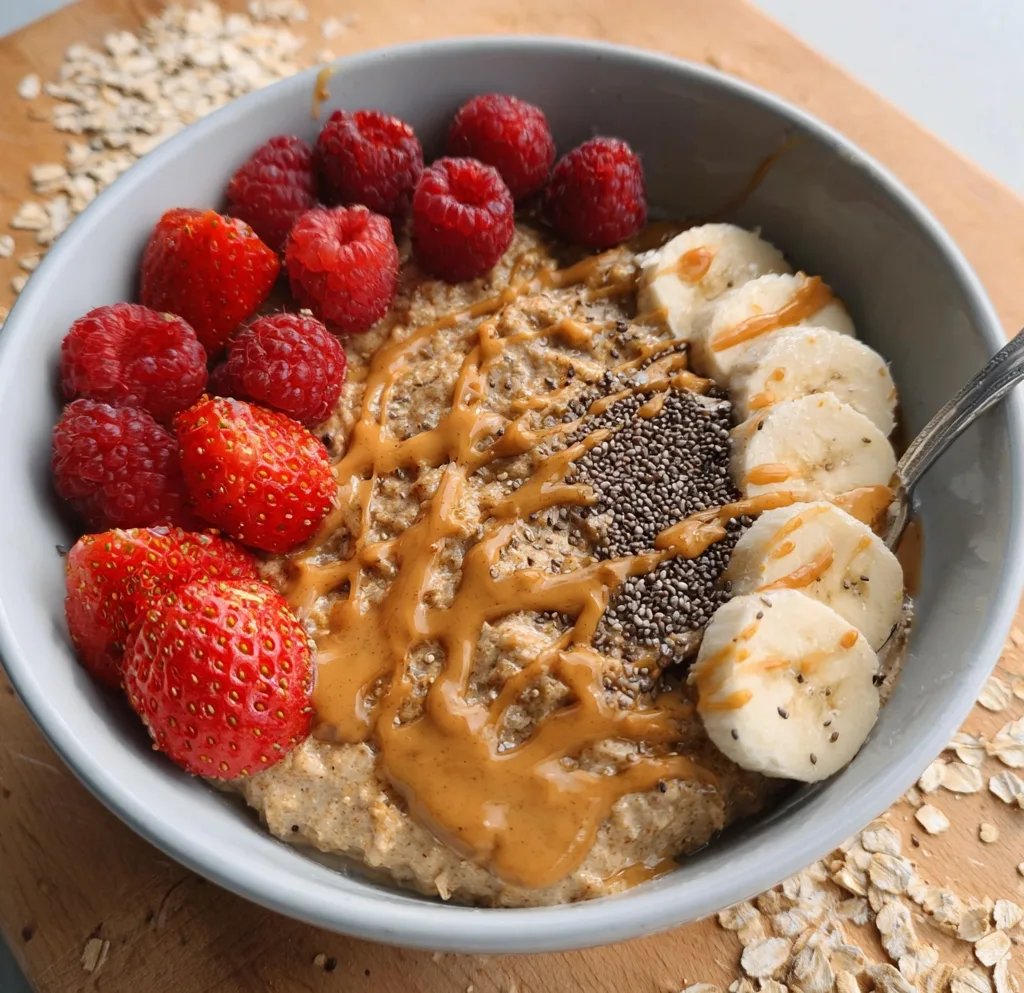
Frequently Asked Questions About High Protein Oatmeal
How to get 30g protein in oatmeal?
To reach 30g of protein in your oatmeal, combine a few strategic ingredients: ½ cup oats cooked in milk or soy milk (~8g), ½ cup Greek yogurt (~10–12g), 1 tablespoon nut butter (~4g), and optionally a scoop of protein powder (~20g if needed). This combo creates a true high protein oatmeal bowl packed with nutrition.
Is protein oatmeal better than regular oatmeal for weight loss?
Yes, protein oatmeal is generally better for weight loss. It keeps you full longer, helps preserve lean muscle mass, and supports stable blood sugar levels. While regular oatmeal is a solid base, adding protein makes it more effective for satiety and metabolism.
Can you add Greek yogurt to oatmeal?
Absolutely. Greek yogurt blends beautifully into oats especially warm oats adding creaminess, probiotics, and a protein boost. It turns your bowl into a powerful protein oatmeal breakfast option.
What is anabolic oatmeal?
Anabolic oatmeal is a variation of high protein oatmeal designed for muscle gain. It typically includes oats cooked in milk, protein powder, nut butter, and fruit to create a calorie- and protein-dense meal that supports post-workout recovery.
Are sprouted oats healthier?
Yes, sprouted oats offer easier digestion and better nutrient absorption compared to regular oats. They’re an excellent base for a high protein oatmeal bowl, especially for those focused on gut health and clean eating.
What oatmeal is the highest in protein?
The oatmeal with the most protein is one that’s boosted with add-ins like Greek yogurt, protein powder, and seeds. On their own, oats are moderate in protein, but when upgraded properly, your high protein oatmeal can reach 30g+ of protein per serving.
How can I add protein to my oatmeal?
You can mix in Greek yogurt, protein powder, milk instead of water, egg whites, nut butter, or seeds. Any combination of these turns a regular bowl into a high protein oatmeal recipe that supports your health goals.
How do you get 30g of protein for breakfast without protein powder?
Layer natural ingredients: oats (~6g), Greek yogurt (~10–12g), egg whites (~10g), and a tablespoon of hemp or chia seeds (~3–5g). It’s entirely possible to hit 30g protein breakfast targets with whole foods.
Is 2 eggs a day enough protein?
Two eggs provide about 12–14g of protein. While they’re a great start, you’ll need more to hit 30g. Pairing eggs with a bowl of protein oatmeal easily fills the gap for a balanced breakfast.
What is the highest protein breakfast food?
The most protein-rich breakfast foods include eggs, Greek yogurt, cottage cheese, protein powders, and legumes. Combining several into a high protein oatmeal breakfast creates a complete, satisfying meal.
What is the 30 30 30 rule for breakfast?
This rule suggests eating 30g of protein, within 30 minutes of waking, and walking for 30 minutes afterward. It’s a guideline for fat loss and energy balance. A bowl of high protein oatmeal is a great way to follow this rule naturally.
Tips, Traps & Takeaways to Make It Work for You
Time‑saving tips: quick protein oats, meal prep, microwave hacks
- For busy mornings, go with a quick protein oats breakfast: cook oats in milk or a fortified plant‑milk, then stir in Greek yogurt or protein powder. This ensures you’re getting a true high protein oatmeal bowl without extended prep.
- Turn your breakfast into meal prep oats by preparing 4‑6 servings in advance, portioning into jars, and grabbing one when you’re on the go.
- Use microwave‑friendly methods: many oats cook in 1–3 minutes when paired with the right liquid ratio and toppings. This keeps your protein oatmeal breakfast simple and efficient.
Flavor and texture upgrades: fruit and yogurt oats, toppings, spice it up
- Add fruit or yogurt to your bowl for a flavour boost and nutrition lift. For instance, topping your oats with berries or banana naturally enhances your high protein oatmeal without resorting to sugary packets. Consider pairing it with our pineapple and spinach smoothie for a complete power breakfast.
- Swap plain oats for fruit and yogurt oats variations by mixing in Greek yogurt (or dairy‑free equivalent) and sliced fruit. This keeps textures varied and breakfast interesting.
- Don’t skip seasoning: a dash of cinnamon, a pinch of salt, or a few chopped nuts or seeds can elevate your macro friendly oats bowl into something memorable.
Avoiding pitfalls: too much sugar, relying only on oats, neglecting overall diet
- Beware flavored instant oatmeal packets: they often have added sugars and low protein. Instead, choose a high protein oatmeal approach with plain oats + strong protein add‑ons.
- Oats alone, even if called “healthy”, may not provide the volume of protein you need for a 30 g protein breakfast. Don’t rely solely on oatmeal without supplementing protein.
- Breakfast is just one piece of your daily nutrition puzzle. Even the best high protein oatmeal breakfast won’t offset a day of low protein or high junk food. Balance throughout the day matters.
Final takeaways: your next steps to build your perfect high protein oatmeal
- Choose a quality oat base (rolled, sprouted rolled, or steel‑cut) as your foundation for a strong high protein oatmeal.
- Add a substantial protein source: Greek yogurt, protein powder, nut/seed mix, dairy‑free substitute if needed.
- Use fruit, seeds, nuts and seasonings to improve taste and texture while keeping calories aligned with your goal (weight loss vs muscle gain). For additional energy-focused options, the coffee with lemon recipe is worth exploring.
- Decide your breakfast style: quick on the go, savoury or sweet, baked vs stovetop, dairy‑free vs traditional.
- Commit to the 30 g protein breakfast target (or close to it) when using high protein oatmeal, especially if your aim is muscle support or satiety.
- Prep ahead when possible (meal prep oats) to avoid skipping breakfast or opting for a less optimal alternative. Or, try our easy healthy cottage cheese ice cream for a surprising meal-prep-friendly dessert.
- Stay mindful of sugar, heavy fats, and flavor‑only add‑ons that don’t contribute to your macro or nutrient goals. The same rule applies when enjoying our purple sweet potato brownies as a guilt-free treat.
Conclusion
Incorporating a high protein oatmeal into your morning routine can transform a simple bowl of oats into a power‑packed breakfast that supports your goals whether you are aiming for weight loss, muscle gain, or simply smarter nutrition. By choosing quality oats (like sprouted rolled oats), adding protein‑rich ingredients such as Greek yogurt or plant‑based protein powder, and customizing it to your needs (e.g., baked version, dairy‑free option), you’re building a protein oatmeal breakfast that delivers satisfying results.
To continue fueling your kitchen creativity and breakfast strategy, follow Viva Lyze on Facebook for fresh ideas and explore Viva Lyze on Pinterest for beautiful macro‑friendly oats bowl inspiration.
Now it’s your turn pick your style, stack your protein, and enjoy the journey of making your best breakfast with high protein oatmeal.